Five ultra‑processed foods you should keep buying, according to a dietitian
By Laura Tilt, dietitian
Ultra-processed foods have earned a bad rep over the last few years.
Studies have linked them to an increased risk of health conditions including cancer, heart disease and type 2 diabetes – so it’s understandable to feel anxious about how many we eat. Especially because they account for almost 60% of our daily calorie intake on average.
But, despite headlines urging us to avoid UPFs at all costs, it’s worth remembering we don’t completely understand how or why they impact health yet.
The science isn’t clear on what it is about UPFs that can harm us. While lots come packing unhealthy fats, added sugar and salt, (which healthy eating guidelines already urge us to limit), some don’t.
The definition of a UPF is focused purely on its level of processing – not its nutritional quality. This means that foods with decent nutritional value – like wholemeal bread and baked beans – also end up with the UPF label.
What's Up Docs? | Subscribe to the podcast now podcast
Should we be turning over a new leaf in January? Drs Chris and Xand explore New Year resolutions

A healthy diet is not a UPF-free diet
Trying to find a UPF-free version of every food you eat is not only stressful and time-consuming – it’s unnecessary.
Reducing them, rather than cutting them out entirely, is far more realistic and in line with what the research suggests could be helpful.
Here are five ultra-processed foods I am happy to include in my weekly shop.
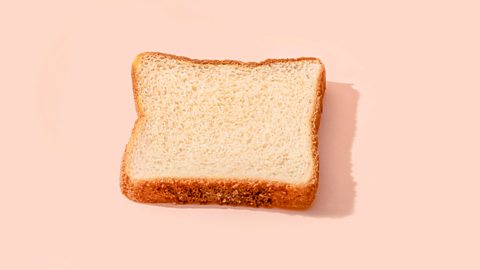
1. Wholemeal seeded bread
Recent studies on specific categories of UPFs suggest that wholegrain breads don’t carry the health risks seen with some other ultra-processed foods. Last summer, wholemeal rolls were a staple of our beach picnics and I keep a pack handy for lunchboxes, or to have with soup.
Wholemeal bread is high in fibre – a health promoting nutrient that 96% of UK adults aren’t eating enough of.
Two slices of wholemeal bread contain 6g of fibre, or 20% of the recommended 30 grams daily target. Wholemeal flour also contributes important nutrients to our diet, like B vitamins, iron and magnesium.
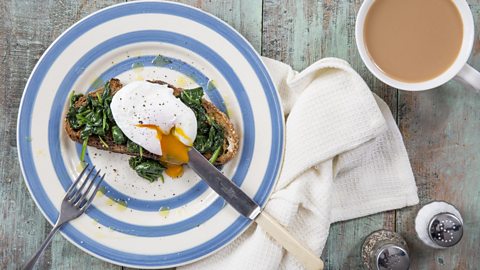
Spinach and poached egg on toast | Save to My Food
Turn shop-bought brown bread into a wholesome breakfast with eggs and spinach
2. Wholegrain breakfast cereal
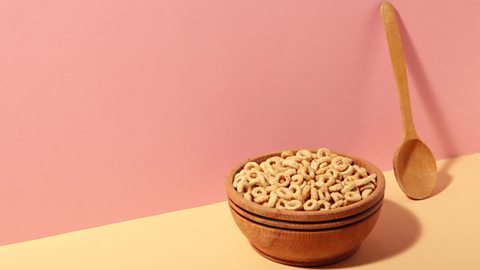
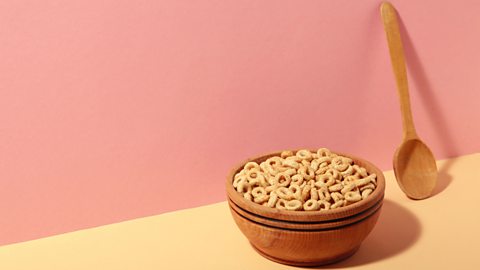
In our house, when mornings run smoothly, we’re eating oats or eggs on toast. But a bowl of wholegrain cereal is a useful back-up for those mornings that go sideways, or as a quick snack before the gym.
Topped with fruit (fresh or frozen), milk or yoghurt, and a few nuts, wholegrain cereals can be a balanced option. They typically provide around 5–8g of fibre per 50g serving and, because many are fortified, they can contribute 20–40% of your recommended intake of vitamin B12, folate and iron – the nutrients needed to make healthy red blood cells.
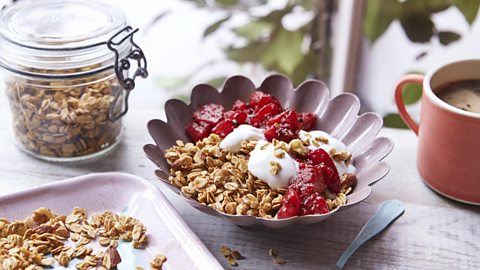
Apple and pear compôte with granola | Save to My Food
You can make your own granola using oats
3. Jarred pasta sauce
Jarred pasta sauces fall into the UPF category if they have thickeners or stabilisers. But beyond that, they’re just tomatoes, oil, herbs and seasoning.
They’re a helpful standby for an easy meal when teamed with wholemeal pasta, extra veggies and grated cheese. You can also stir a jar through cooked mince and add a can of drained lentils for an easy route to a higher fibre bolognese.
Another plus: around a quarter of a jar counts as one of your five a day. Seeing as only 30% of UK adults are getting enough fruit and veg, easy and convenient ways to up our intake are always a good thing.
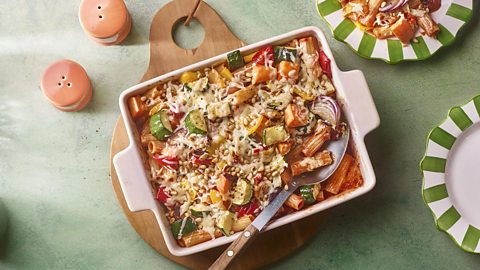
Veggie pasta bake | Save to My Food
Easy pasta dinners are a great way to pack in plenty of veg
4. Hummus
Not all shop-bought hummus is classed as a UPF – only if it has preservatives or stabilisers, which are added to extend shelf life. I pick up a ready-made tub in my weekly shop as a go-to snack with veggie sticks or oatcakes, or to top toast.
Chickpeas are rich in fibre and protein, plus there’s unsaturated fats from the tahini and plant oils. It’s an easy way to add plant points to meals and snacks.
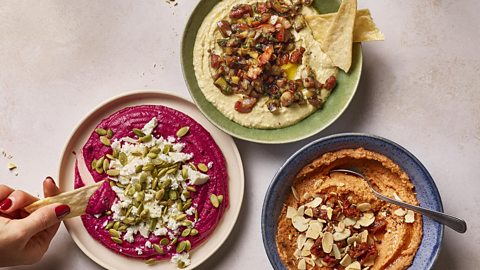
Loaded hummus | Save to My Food
Take store-bought hummus up a notch by topping with different ingredients
5. Fruit flavoured kefir
Fruit yoghurt and kefir fall into UPF territory if they have thickeners or stabilisers like maize starch, which are added to stop separation.
I buy mango flavoured kefir to have alongside breakfast or to whiz up with a frozen banana for a quick smoothie. A cup has 8g of protein and a third of your daily calcium needs. Plus, it’s a source of beneficial bacteria, which may support microbiome health too.
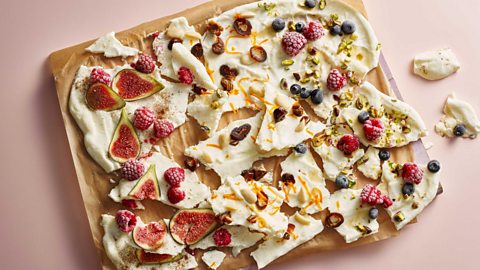
Yoghurt bark | Save to My Food
You can use kefir yoghurt to create a tasty dessert
Not all UPFs are created equal
Don’t write off a UPF as entirely unhealthy before you’ve considered its potential benefits.
If you want to try cutting back, the UPFs that are high in fat, sugar and salt are what to focus on – not baked beans or wholegrain products, which can play a helpful role in a balanced diet.
*Published January 2026
Want more? Visit BBC Food on Instagram, Facebook and Pinterest or watch the latest Food TV programmes on BBC iPlayer.