How to hit your 30g fibre target, according to a dietitian

- Published
Protein has dominated the limelight in recent years, but there's another nutrient that's gaining attention: Fibre.
High fibre diets have been linked with a lower risk of heart disease, stroke and type 2 diabetes, external.
What is fibre?
Fibre is a type of carbohydrate found in plant foods and helps us feel full after eating, supports gut health and digestion.
Lots of carbohydrates in our diet are broken down in the gut and absorbed before being used for energy. Fibre is different because it travels to the large intestine.
Here, gut microbes use fibre, external as their main source of energy.
When microbes break down fibre, they produce beneficial compounds called short chain fatty acids, which help to maintain a healthy gut and regulate appetite, external.
Fibres which aren't broken down make stools softer and easier to pass, which is one way that high fibre diets might reduce the risk of bowel cancer, external.
How much fibre should I be eating?
Experts recommend we eat 30 grams of fibre a day, external. But, only 4% of adults are said to be hitting that target, external, with most eating little over 16 grams a day.
You could use oats in your pancakes to increase the fibre content
What foods are a good source of fibre?
From fruit and veg (fresh, frozen and dried), to wholegrains including brown rice and quinoa, potatoes with their skins on, pulses, nuts and seeds, most sources of fibre are readily available and affordable. Here are 10 budget friendly, high fibre foods to get you started.
Rolled porridge oats - 4.5g per half cup (50g)
Tinned chickpeas - 7g per half can
Seeded bread - 5g per two slices
Tinned lentils - 6g per half can
Frozen peas - 4.5g per 3 tbsp (80g)
Frozen raspberries - 5.5g per 3 tbsp (80g)
Wholemeal pasta - 6.5g per 75g serving
Dried apricots - 3g per 3–4 dried apricots
Reduced salt/sugar baked beans - 7.5g per half can
Mixed milled seeds (flax, pumpkin, chia) - 4.5g per 25g
This ragu uses lentils, which are packed with fibre
Is 30 grams of fibre a day realistic?
Researchers at the British Nutrition Foundation, external found you can reach the target while staying within recommended guidelines for sugar and fat by:
Basing most of your meals around wholegrains
Including 5-8 portions of fruit and vegetables each day
Choosing fibre-rich snacks such as nuts, seeds or dried fruit
Eating one serving of pulses each day is an easy high fibre habit to build. Canned chickpeas and lentils are convenient, with half a can providing 6-7g of fibre. Add them to salads, soups, stews, curries and bolognese. Frozen peas are great on toast or stirred into pasta or scrambled eggs.
Sprinkle a tablespoon of chia, flaxseed or mixed seeds onto yoghurt, oats, or into a smoothie for 3-4g of fibre.
Lastly, make at least half of the grains you eat wholegrains. For example, swap two slices of white bread (2g) for two slices of wholemeal (5g) or rye bread (7g).
- Image source, Laura Tilt
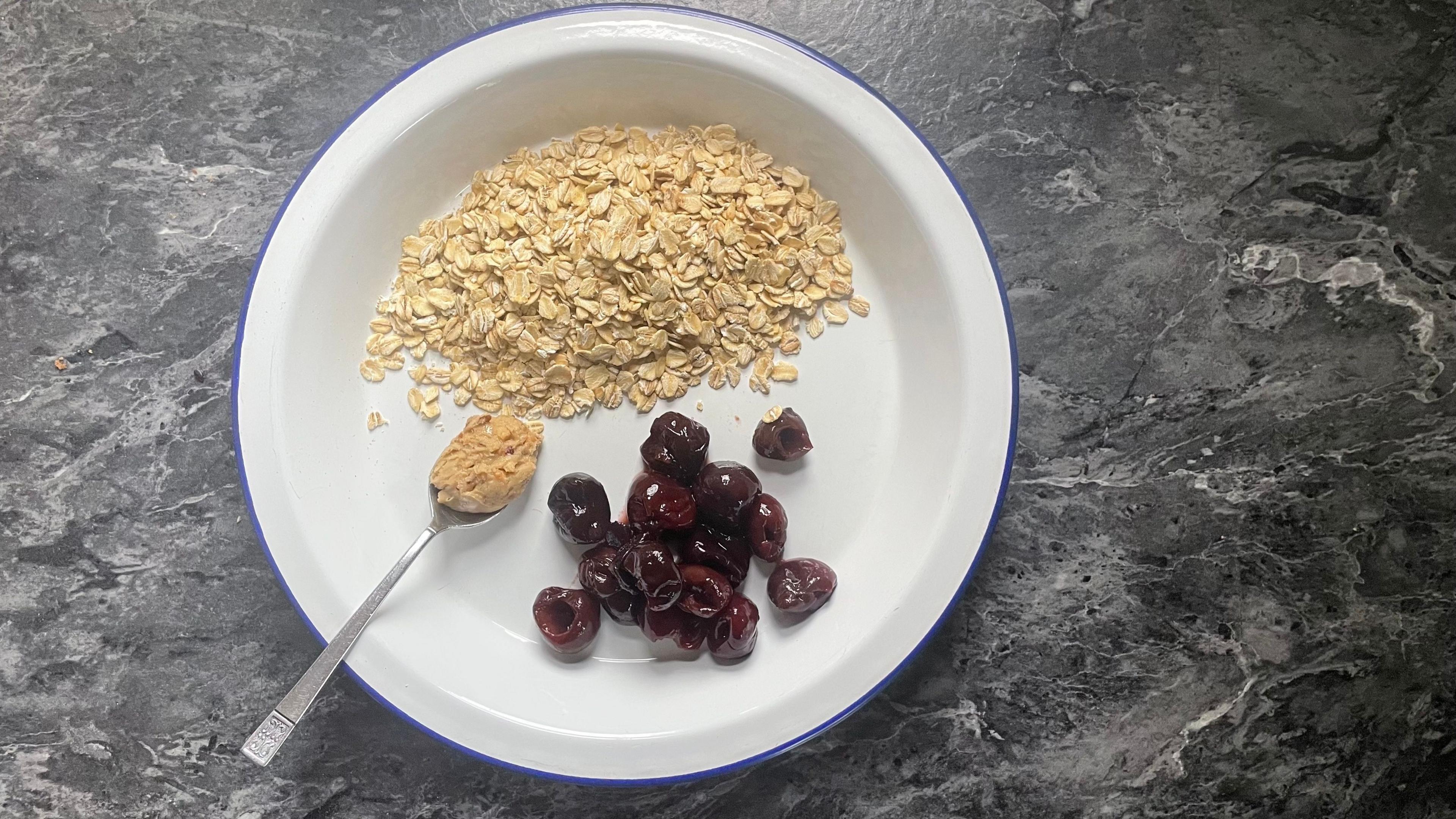
Image caption, Porridge ingredients
Cherries, oats and peanut butter make a fibre-rich porridge


1 of 2
Increasing your fibre intake? Take it slow
If you're adding more fibre to your diet, do it slowly over a week or two. A sudden jump from low to high fibre can cause temporary bloating or gas as your gut bacteria adapt to the extra fuel. Start with breakfast, then add another adjustment later in the week.
What hitting 30 grams of fibre a day looks like
I tracked meals for two days to show the types of meals and snacks that will make hitting your daily fibre target easy. Below you'll find the quantity of the food I ate and next to it how many grams of fibre it contained.
Breakfast
Porridge and fruit
50g (½ cup) rolled oats - 5g
Milk of your choice
½ cup frozen cherries or berries - 2g
1 tsp peanut butter - 1g
Lunch
Soup and pitta
1 toasted wholewheat pitta or flatbread - 5g
Dinner
Bolognese with salad and yoghurt
Cereal bowl of mixed salad - 2g
Yoghurt
Total daily fibre intake - 34g
- Image source, Laura Tilt
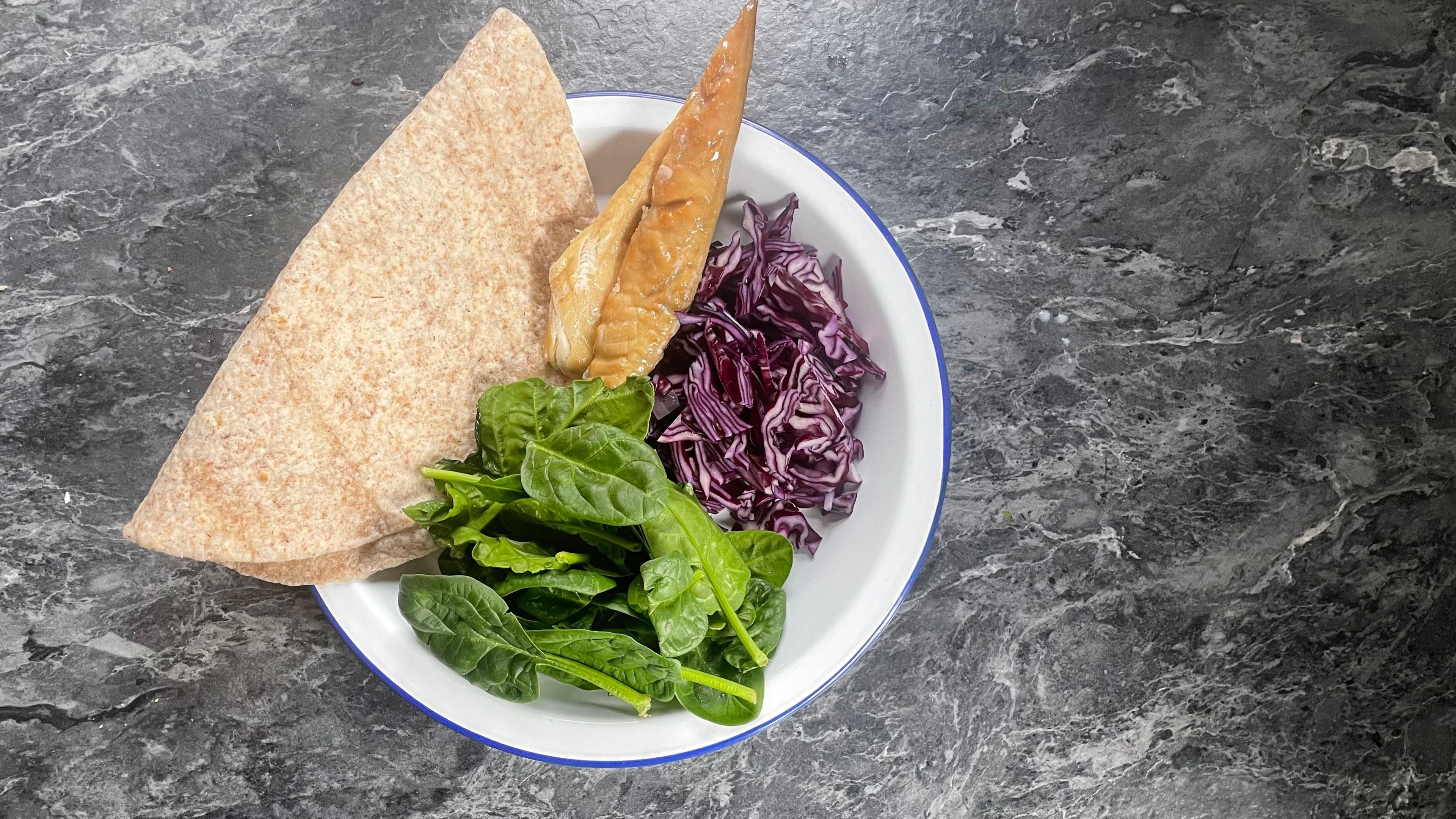
Image caption, Wholemeal wraps are surprisingly high in fibre


1 of 2
Breakfast
Mango smoothie
150g frozen mango – 2g
250g kefir or plain yoghurt
1 banana – 3g
1 tbsp oats – 1g
Lunch
Mackerel or tofu & carrot slaw wrap
1 wholemeal wrap – 6g
Smoked mackerel or tofu
80g shredded cabbage or carrot – 2g
Handful of spinach
Lemon & mayo
Medium apple – 2g
Dinner
Black bean curry and rice
Black bean curry – 8g
75g (dry weight) brown rice – 2.5g
Fresh coriander
Yoghurt
Snacks
3 dried apricots – 3g
Handful of nuts – 2g
2 oatcakes – 2g (topping of your choice)
Total daily fibre intake – 33.5g
Please note: These menus are a guide to reaching 30 grams of fibre, and not designed for any specific health needs.
Laura Tilt is a registered dietitian with a master's in public health nutrition and a postgraduate diploma in dietetics. Since qualifying in 2012, she has specialised in gastroenterology at London's UCLH before moving into freelance practice. With over 10 years of experience translating nutrition science into accessible, meaningful advice, Laura's specialist interests include digestive health, disordered eating, and sports nutrition.
Originally published February 2024. Updated February 2026.
Want more? Visit BBC Food on Instagram, external, Facebook, external and Pinterest, external or watch the latest Food TV programmes on BBC iPlayer.


