Photography
The photographic process allows an image to be reproduced using light.
This process has developed over many years to now enable An item made in large numbers using factory production methods. and sharing of images through magazines, posters, fine art pictures, advertising etc.
Photographic techniques include traditional (analogue) photography, digital photography and camera-less photography.
- traditional photography uses light-sensitive film negatives and light-sensitive paper to create an image
- digital photography saves images as files that can be manipulated on a computer
Whatever camera you use, it's useful to put on its manual setting rather than using it in automatic mode. This puts you in control of the The opening through which light passes to reach the photographic film or plate in a camera , How clear and sharply defined something is and The length of time a camera's shutter is open, and therefore the time the photographic film or sensor is exposed to light. which gives you more control over the final photograph.
A Bitesize video guide to camera types.
Photography genres
There are many different genres of photography, including studio, portrait, fashion, landscape, street photography, documentary, wildlife and macro (close up) photography. There are specific skills and considerations you need to think about to take successful photos in each genre.
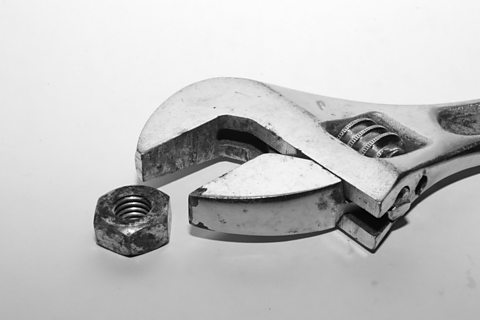
Working in a studio gives you most control over lighting and Arrangement of different elements within an artwork or design. and you can plan everything in advance. It is still important to experiment with different The place or position from which the artwork was created. Examples include eye level, from an elevated position and bird's eye view., angles and moods.
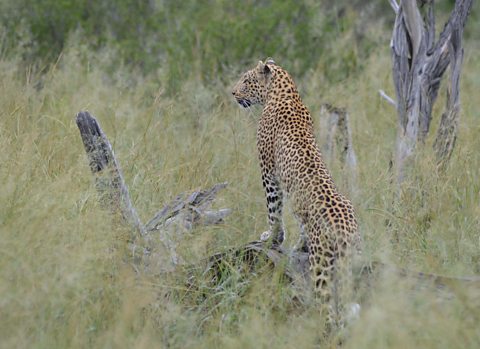
Using a A three-legged support that is used to hold a camera steady will help prevent blurry wildlife images of moving or distant animals. Even although you might not be able to get close to your subject, you can still experiment with different The distance between the nearest and furthest parts of a photograph that are in clear focus. and lighting effects when using a long lens.
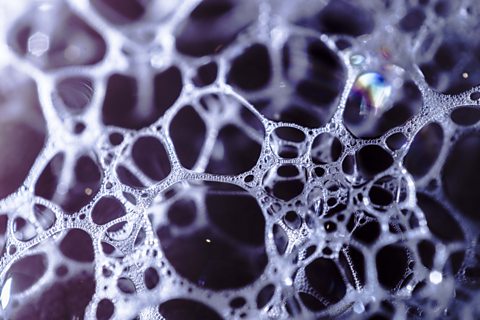
Choosing the right lens and distance from your subject is key for macro images. Experimenting with depth of field can help show the whole subject in great detail or highlight a key area against softened surroundings.
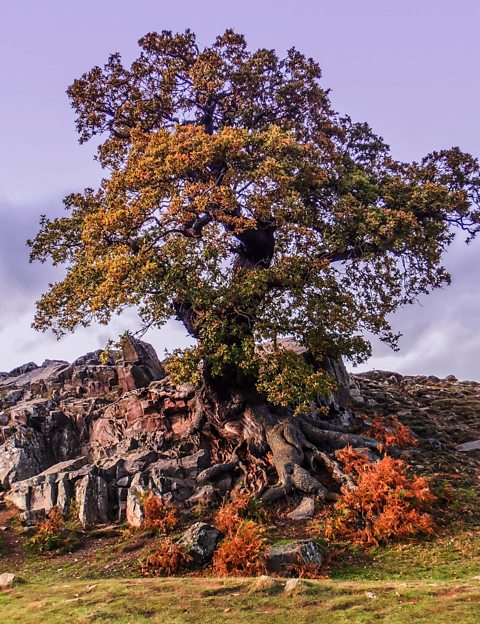
With landscape photographs it is important to think carefully about your viewpoint and how wide a composition you want.
Move around to change the relationship between elements in the frame and experiment with different arrangements between The part of a composition that appears to be nearest to the viewer, In terms of the depth of an image, the midground sits between the foreground and the background and The part of a composition that appears to be furthest from the viewer.
Try working at different times of day and in different lighting conditions. Including a The feature of an artwork that draws the viewer's attention most. An artist can create this through use of composition, contrast, colour and tone. will help make sure your photos have interest and impact.
