Numbers after 20
One simple rule to remember in German is that the smaller units come before the tens.
So for 33, you would say 'three and thirty' all as one word – dreiunddreißig.
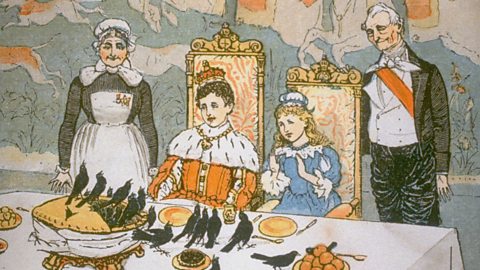
This is similar to old-fashioned English. You might be familiar with a line from the nursery rhyme ‘Sing a song of sixpence’ from when you were younger where ‘four and twenty' – vierundzwanzig – blackbirds were baked in a pie.
Question
What are the following numbers in words:
- A – neunundvierzig
- B – fünfundzwanzig
- C – neunundsiebzig
- D – achtunddreißig
- E – vierundsechzig
- F – siebenundneunzig
- G – zweiundfünfzig
- H – sechsundachtzig
Listen to the following conversation between Heike and the captain of ein Raddampfer – a paddle steamer. Then answer the questions below:
Question
- In what year was the ship built?
- How many tickets does Heike need?
- At what time does the boat depart?
- How long do they have to collect the tickets before the boat leaves?
- 1886
- two
- at 14:00
- five minutes
Did you know?
After Berlin, Hamburg and München, Köln (Cologne) is Germany's fourth largest city.
The cathedral – der Kölner Dom – is a World Heritage Site and is Germany's most visited landmark. It is the tallest Gothic building in northern Europe – its twin towers reach a height of 157 metres. For those who wish to tackle the 509 steps to the top, the view of Köln is stunning.
Köln is also known for a range of citrus-infused perfumes known as Eau de Cologne or Kölnisch Wasser to give it its German name. The scent has been produced in the city since the end of the 18th century. The original, and most famous brand of Kölnisch Wasser is called '4711' after the number of the house and street in Köln where it was invented – Glockengasse 4711.