Favourable economic conditions for some industries
Business and investment
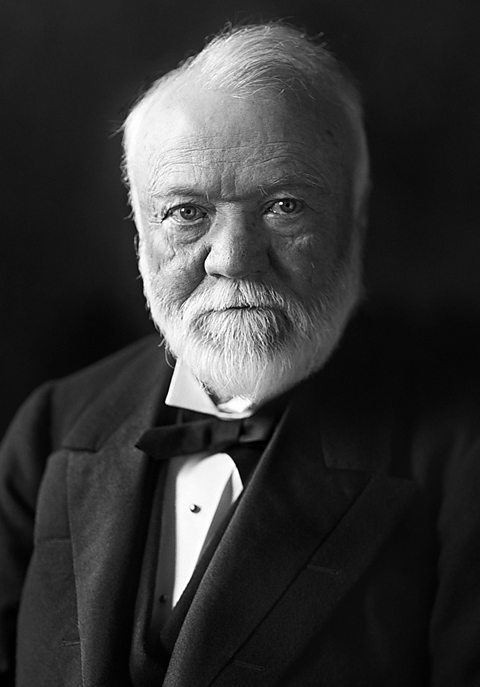
When a government doesn't believe in interfering in the lives of individuals and businesses. For the Republicans, liberty or freedom to live your life and run your business was one of the most important roles of government. policies meant that businesses were free to grow throughout the 1920s. This led to the growth and success of large industries such as the Carnegie Steel Company.
Alongside the consumer boom, the demand for steel and oil to support the construction and car industries meant that the economy annually grew by around 4 per cent in the 1920s.
During the 1920s, business was seen as a reputable profession. The pursuit of business as an occupation was legitimised by the creation of Harvard Business School Campus in 1924.
Low taxation
One benefit of laissez faire for the One of the two major American political parties. Republicans tend to hold a more conservative viewpoint on politics and society. was that they could promote themselves as a party of low taxation. Income tax and inheritance taxes were lowered under their governments in the 1920s. They believed that if people were able to keep most of the money they earned, the wealthy would reinvest this in business and everyone else would buy more American goods.
Trusts
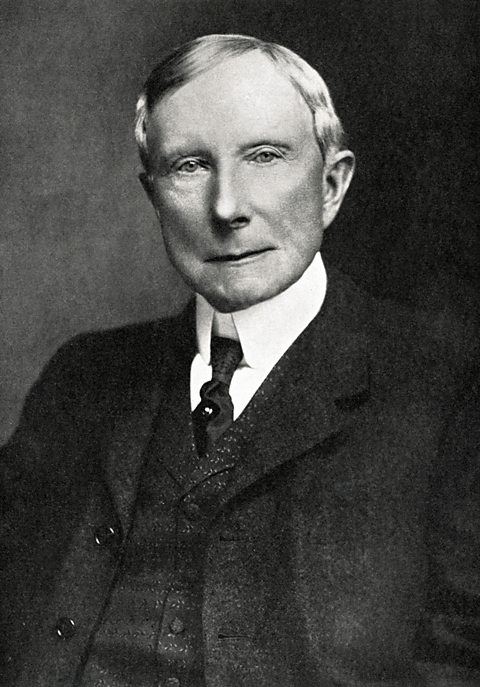
Trusts were gigantic corporations, such as Andrew Carnegie’s Steel Company and John D Rockefeller’s Standard Oil. These trusts:
- The exclusive control of a trade or product. the market by buying up competitors and taking control of them
- sometimes cooperated with each other, particularly if they made the same product
Trusts within the same industry might work together to:
- A practice where rival companies come to an agreement not to sell goods below a certain price. This helps a company’s profits.
- set A target for producing something. It can be set high to encourage production or set low to limit production to keep prices high.
