All about Greenland
A unique territory, the island of Greenland lies in the North Atlantic Ocean and the Arctic Ocean and has a long, fascinating history. It's famous for many things - from its remote location to being covered in ice and stunning glaciers, its Arctic wildlife and much more,
It also has a rich cultural heritage that has attracted tourists from around the globe for years. But how much do you know about Greenland?
There is so much we could mention, but here BBC Bitesize takes a closer look at just 10 fascinating facts about Greenland and its history. You can find out more below.
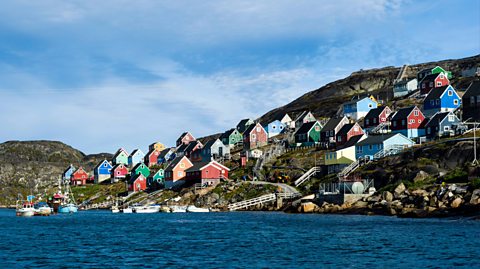
1. It's the world's largest island
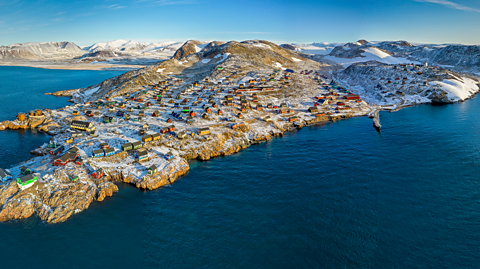
Did you know that Greenland is officially the world’s largest island that is not a continent? The total area of Greenland is around 2.17 million square kilometres – which is around 836,000 square miles.
Around 80% of its surface is covered by an ice sheet, and it's known for its stunning glaciersglaciers and fjords. Greenland also has a population of around 56,000 people, mainly Inuit people.
2. It got its name from a 'marketing stunt'
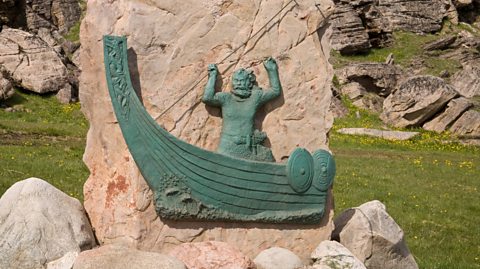
The majority of Greenland is covered in snow, ice and glaciers – so where did the name ‘Greenland’ originate? Well, in 982, Viking Erik the Red, from Norway, discovered the island and named it Greenland to make it more attractive and appealing to settlers.
Today, it would be considered quite the marketing stunt – but it worked. In 986, Erik the Red returned with settlers and the rest is history.
3. The midnight sun and polar night
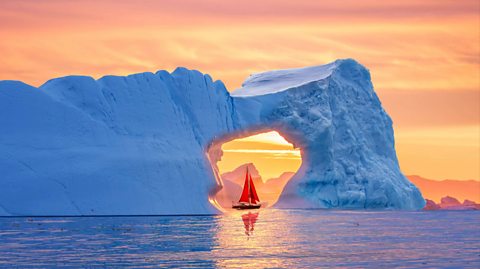
Occurring in the summer months in places north of the Arctic Circle – Greenland is also known for the natural phenomenon that is the midnight sun. Offering endless daylight, the midnight sun is when the Sun remains visible through the evening hours, lasting anywhere from 24 hours to a number of months.
However, in the winter, Greenland is also known for the polar night, which locals also call Kaperlak. The period lasts for a number of months, when the sun does not rise above the horizon for those north of the Arctic Circle, causing prolonged darkness.
4. No roads connecting areas
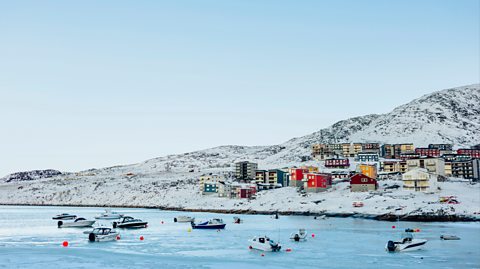
Despite being the largest island in the world, there are no roads or railway systems that connect settlements in Greenland. There are roads with and around areas, but none connecting settlements, mainly due to Greenland being so mountainous and ice bound.
So how do people travel around Greenland? Well one of the most popular forms of transport is by boat, as well as by plane or helicopter - and depending on distance and weather, some travel by snowmobile or dogsled in the winter.
5. It is a semi-autonomous territory
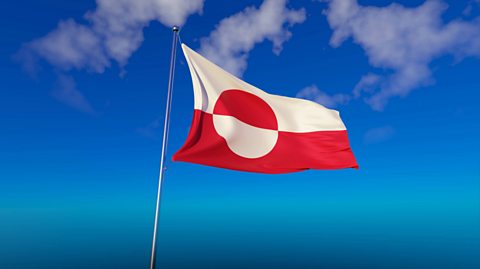
Part of the continent of North America, Greenland has long been culturally and politically associated with Europe. It is a semi-autonomous territory within the Kingdom of Denmark – made up of Denmark, the Faroe Islands and Greenland - meaning it is Danish dependent with self-government and its own parliament.
Since 1979, Greenland has had home rule and from there was able to set its own laws and elect its own Prime Minister. In 2009, when Greenland was recognised as its official language, these powers were expanded.
6. Greenland's national dish

There are several traditional dishes from Greenland that have been passed down the generations. But Greenland also has a national dish, a hearty soup which is called suaasat.
The dish can be made with different meat or fish, like reindeer, seabirds, seal or whale and includes rice or barley which thickens the soup. Suaasat is flavoured onions and potatoes and then seasoned, a loved dish that warms up the people of Greenland in the cold weather.
7. It is a multilingual nation
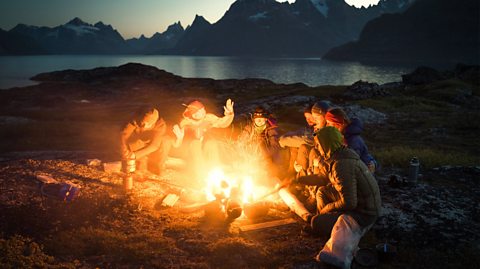
In Greenland, the population speak various languages. The official language of Greenland is Greenlandic, also known as Kalaallisut.
However, Danish is also widely spoken in Greenland, as well as English. A number of Greenlandic words have been adopted by different languages, such as kayak, anorak and igloo.
8. It's home to the largest national park in the world
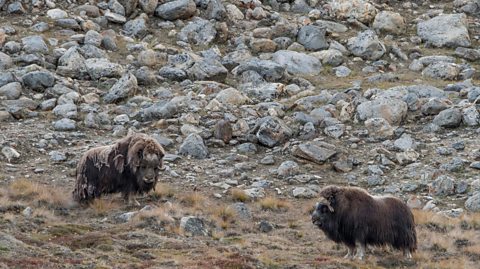
As well as being the largest island in the world, Greenland also holds the title for being home to the largest national park in the world. Established in 1974, Northeast Greenland National Park is home to various arctic wildlife.
Its current site was expanded in 1988 and today has an area of 972,000 square kilometres. It is also the largest protected land area in the world.
9. One of ‘the best’ places to see the Northern Lights
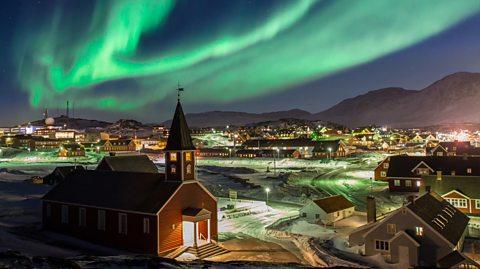
For generations, the Northern Lights – also known as the Aurora Borealis - have been enchanting all those who see its bright green and pink colours painting the night sky. But did you know Greenland is considered one of the best places to witness them?
The exquisite displays occur when charged particles collide with gases in the Earth’s atmosphere, specifically around the magnetic poles. The solar storms that cause the Northern Lights are also expected to increase in 2026 - offering more opportunities to see them.
10. Home to the world’s oldest fish
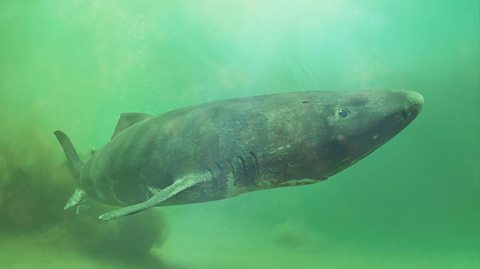
As mentioned previously – there are so many fascinating facts we could have mentioned about Greenland. But the final one on our Bitesize list is that the world’s oldest fish is native to the waters around Greenland.
Primarily living in North Atlantic and Arctic Oceans, the Greenland shark is believed to be the oldest fish and oldest vertebrate in the world. Growing up to 5m in length, scientists in 2016 found one female Greenland shark that they estimated to be around 400 years old.
This article was written in January 2026
