Facts about Northern Ireland
One of the four countries of the UK, Northern Ireland has a long and fascinating history. Located on the island of Ireland, Northern Ireland has coasts on the Irish Sea and the Atlantic Ocean and is home to many famous landmarks.
Every year, tourists from across the world visit Northern Ireland to see everything from attractions and natural beauties that have featured in TV and film to get involved in its buzzing nightlife and more. But how much do you know about Northern Ireland?
Here, BBC Bitesize takes a closer look at some fun and interesting facts about Northern Ireland and its history. You can find out more below.
1. The Titanic was built in Belfast
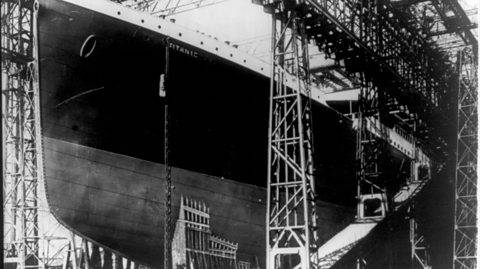
Famous for its shipbuilding history, Belfast, Northern Ireland’s capital, also has links to one of the world’s most famous ships. Back in 1909, work began and saw over 15,000 people helped to build Titanic in a dry dock in Belfast.
In April 1912, Titanic set sail on her first voyage, carrying over 2,200 people - but met a tragic fate. Just before midnight on 14 April, Titanic hit an iceberg and sank within two-and-a-half hours, resulting in the death of over 1,500 people.
2. Inspiration for Narnia
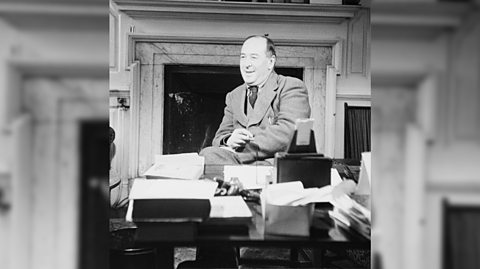
C S Lewis, born in Belfast in 1898, grew up to be an author and famously wrote the Chronicles of Narnia books. Spending summer holidays in seaside towns and villages, the mountains and countryside he saw left a lasting impression on him.
Only living in Northern Ireland until the age of 10, the places and his childhood memories inspired his writing in later life. He is said to have drawn inspiration from the likes of the Mourne Mountains in County Down.
3. The 'Sherlock Holmes' coat
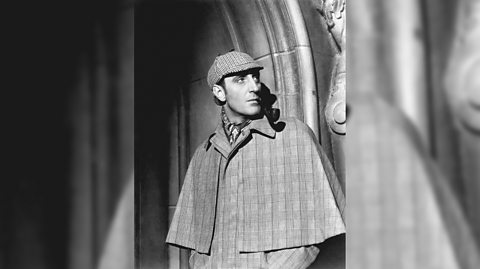
Born in 1816 in County Antrim, John Getty McGee started a high-end tailoring business and opened his own shop in Belfast. Also owning the Ulster Overcoat Company, he fashioned the distinctive double-breasted coat cut from heavy Donegal tweed, which was completed with pleats, pockets, a belt and an optional cape.
But the design was made famous in the 1800s when it found its way into literature. The ensemble was featured in several Arthur Conan Doyle’s Sherlock Holmes stories, worn by the lead character.
4. Home to the Giants Causeway
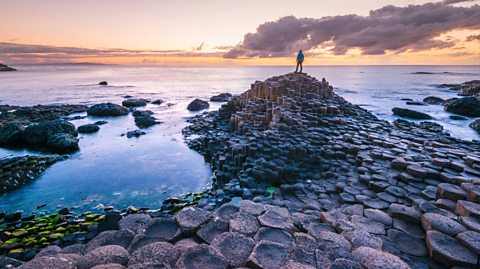
A famous natural wonder, Giants Causeway is one of Northern Ireland’s best heritage attractions. Made of thousands of rocky columns that were formed by an ancient volcano, Giants Causeway is tied to one legendary tale in particular.
This surrounds Finn McCool (also known as Fionn Mac Cumhaill) - a giant who guarded the local coastline and when threatened from across the sea by another giant, fought back by throwing basalt rocks into the sea to create stepping stones.
5. The origin of the penalty kick
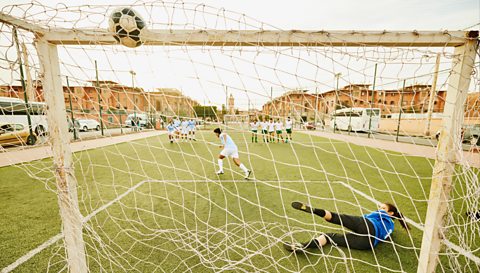
A penalty kick is a huge part of the modern game of football – but it wasn’t always in the rule book. In fact, it wouldn’t exist at all if it hadn’t been for goalkeeper William McCrum from County Armagh.
A goalkeeper for his local club, Milford FC, William came up with the idea of introducing the penalty kick for unsportsmanlike behaviour. It was adopted immediately, but after a series of high-profile casualties followed, the penalty kick didn’t seem like such a bad idea and was officially added to the rule book on 2 June 1891.
6. UK's largest freshwater lake
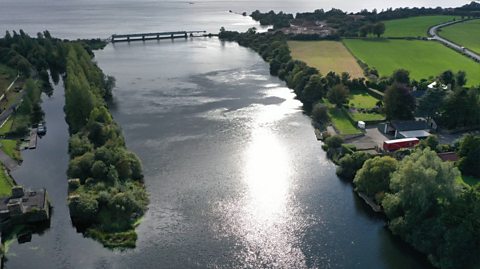
Northern Ireland is also home to the largest freshwater lake in the UK. It is called Lough Neagh and has many designations and protections because of its importance for biodiversity and wildlife.
Through the years, it has also been used as a leisure and commercial resource. More recently, the BBC has reported how has been blighted by large blooms of the potentially toxic algae in recent years.
7. It has six cities
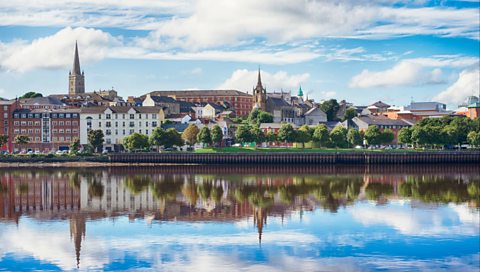
In case you didn’t know, Northern Ireland is home to six cities. They are Belfast, Derry/Londonderry, Lisburn, Newry, Armagh and Bangor.
The capital of Northern Ireland is Belfast - which is by far the largest city in Northern Ireland. It is about four times as large as the next biggest, Derry/Londonderry.
8. Famous breakfast dish
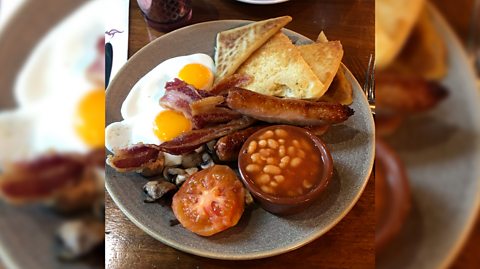
Northern Ireland is also known for a loved, famous breakfast dish – the Ulster fry. The traditional, hearty breakfast will set you up for the day and typically includes the likes of eggs, bacon, sausages, black pudding, tomatoes, potato bread and soda bread farls.
For those new to soda farls, they are simply an Irish soda bread loaf that is flattened and divided into four parts. Eaten not only during breakfast time but throughout the day, it’s a must try if you’re visiting Northern Ireland.
9. Record for the 'largest scone'
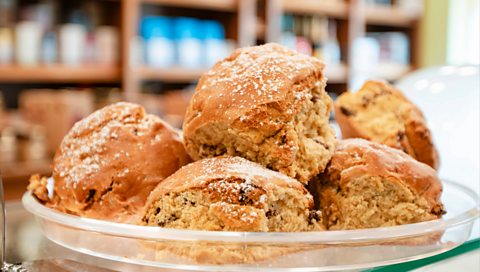
Back in 2017, a Northern Irish business whose history spans well over a century also became a Guinness World Record title holder. Known for producing traditional flours and mixes for baking, Neill’s Flour in Belfast created the largest scone, which weighed in at 141.8kg.
Working alongside Patton’s Bakery in Newtownards, celebrity chef Jenny Bristow and catering students from the Belfast Metropolitan College, the record-breaking scone took four hours and seven minutes to make. It beat the previous record of 119.45kg, achieved in Eltham, New Zealand in 2010.
10. A choice in sport
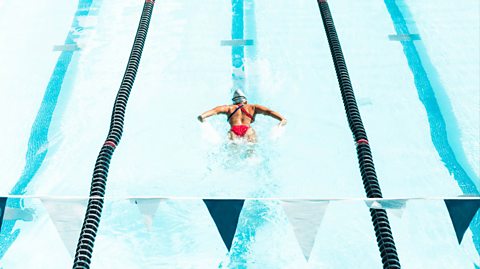
If you’re an athlete from Northern Ireland, you may find yourself in a unique position when competing. Depending on the sport or governing body, many athletes from Northern Ireland have the option whether to represent Great Britain and Northern Ireland or Ireland in their chosen sport.
For example, athletes can choose which country to represent in the Olympics. More recently, the 2024 Olympics in Paris made a significant entry to Northern Irish sporting history.
This article was written in November 2025
