All about Greece
One of the most stunning and popular areas of Europe, Greece has a fascinating history and boasts everything from beautiful beaches to traditional cuisine loved around the world, incredible ancient buildings and so much more. Greece is famous for many things - from its monuments to mythology, iconic dishes like moussaka and gyros, philosophers such as Plato and Socrates and being the backdrop of several famous films, like Zorba the Greek and Mamma Mia.
Every year, people from across the world travel to see its historic cities, beautiful islands and all the attractions Greece has to offer. But how much do you know about Greece?
There is so much we could mention, so let's take a closer look at just 10 fun and interesting facts about Greece and its history.
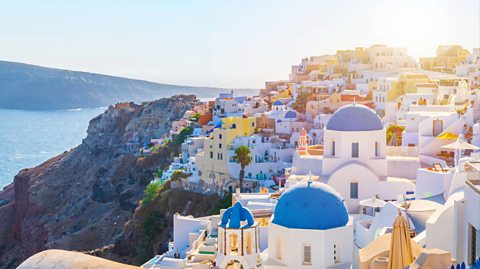
1. Its official name isn’t Greece
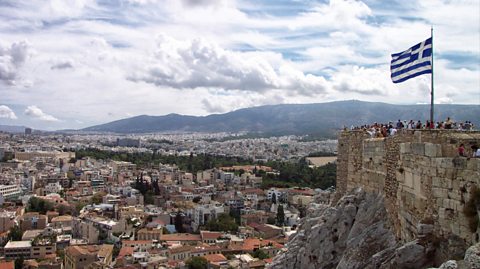
With an incredible history, culture, natural beauties and so much to explore – it’s no wonder that people travel from across the world to pay Greece a visit. But did you know that Greece’s official name is not actually Greece?
The official name of Greece is the Hellenic Republic. Greek people refer to their country as Hellas and themselves as Hellenes, which is derived from Hellen, son of Deucalion and Pyrrha, in Greek mythology.
2. It is the birthplace of Europe's first advanced civilisation
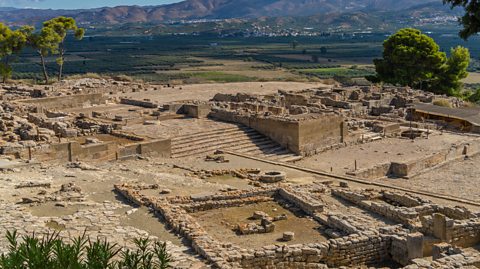
Greece’s largest island is Crete – which is also the birthplace of Europe’s first advanced society. Known as the Minoans after their famous king, Minos, the civilisation flourished between 3300 BC and 1100 BC.
If you’ve heard of Minos before – you may remember he is the king in the famous myth, Theseus and the Minotaur (where the beast also gets his name). The Minoans were advanced and created everything from grand complexes to advanced art, as well as their use of writing, trade and more.
3. Its highest mountain is Mount Olympus

Greece’s tallest mountain, Mount Olympus, is located in northern Greece, between the regions of Thessaly and Macedonia. Its highest peak, Mytikas, reaches a whopping 9,570 feet.
In total, Mount Olympus has 52 peaks and several gorges. It is also famed in Greek mythology for being the mythical home of the Greek gods – where the 12 Olympians with divine power resided.
4. Greek myths have been told to generations
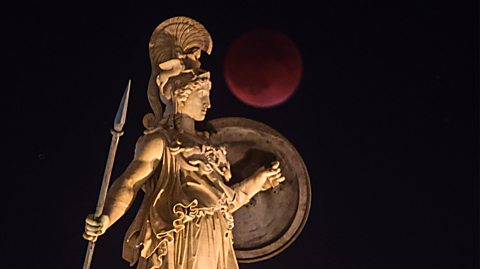
Mythology is a collection of stories or beliefs, usually belonging to a particular religious or cultural tradition, that have been passed down the generations. And there are so many Greek myths that are famous and known across the world, with the myths still being shared or even retold and reimagined.
Greek mythology shares tales from ancient Greece and heavily features the Greek gods and goddesses, as well as legendary heroes and monsters. From Theseus and the Minotaur to Heracles and the Twelve Labors, Perseus and Medusa and much more, these myths are still shared and celebrated in Greece today.
5. Greece inspired the Olympics
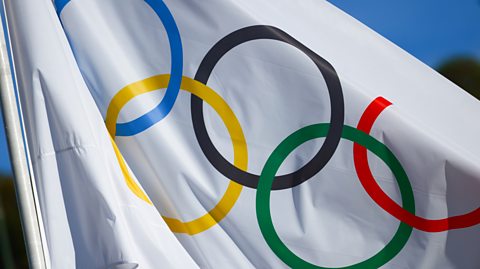
Today, we know the Olympic games so well and the many sports featured, from aquatics to archery, athletics, basketball, fencing, weightlifting and more. The modern Olympic games were founded by Baron Pierre de Coubertin in 1894, with the first official event taking place in 1896 – but its history goes back much further.
It is believed the Olympics date back nearly 3,000 years, with the original games being held on the Peloponnese in Ancient Greece. The ancient games were also a religious festival, held in honour of Zeus, the king of the gods and only males could participate in the games.
6. The evil eye is a famous symbol
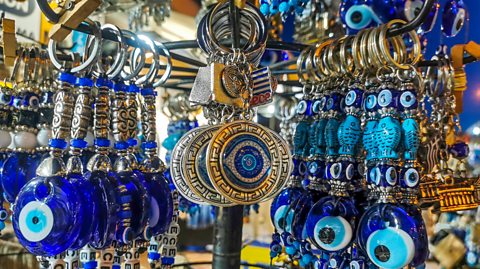
If you’ve ever visited Greece, you may have spotted one famous symbol. The evil eye, known as mati, is a symbol that has long been rooted in Greek culture.
The design can vary; the symbol usually shows a light blue eye on a darker blue stone and while today it is heavily featured in fashion and jewellery – it does have a deeper meaning. It is believed to ward off negative energy and envy, protecting those who carry it.
7. Plate smashing is a tradition

A distinctive custom usually associated with Greece is the tradition of smashing plates. Whether it is at a Greek taverna or during a celebration like a wedding or baptism, smashing plates is no accident.
There are different beliefs as to why Greeks have this tradition, but many believe it is to mark a celebration or joy, a symbol of a new beginning, or even to ward off evil spirits. It may not be as common today, but you can sometimes see it as part of traditional Greek nights full of dancing at venues abroad or even in film and television.
8. There is an EU rule regarding feta cheese
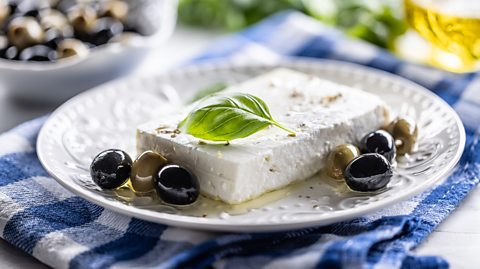
Greek cuisine is extremely popular – from iconic dishes like moussaka, gyros, souvlaki and dolmadakia, to Greek dips like tzatziki or taramasalata, sweet treats such as baklava or traditional ingredients like olives, honey, figs, yoghurt and more. Another you have to mention is feta cheese – a Greek brined white cheese made primarily from sheep’s milk or even combined with goat’s milk.
But did you know that the EU – the European Union – has a strict rule regarding the loved Greek cheese? Under EU law, feta has a strict legal definition meaning the cheese can only be marketed as feta if it has been produced in parts of Greece, ensuring its authenticity and traditional recipe.
9. Greek inventions have changed the world
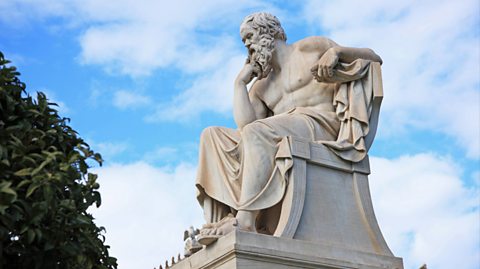
The Ancient Greeks are credited for many inventions and discoveries that are still very much part of life today, as well as contributing to the development of many others. There are so many to mention and the etymology – the origin of words - of many of these names are also derived from Greek.
For example, the Ancient Greeks are credited for creating democracy – the word deriving from the Greek word ‘demos,’ meaning people and ‘kratos,’ meaning power. They are also credited for heavily contributing to the early development of philosophy – ‘philos’ meaning love and ‘sophia’ meaning wisdom – and being the birthplace of legendary philosophers such as Socrates, Plato and Aristotle.
Other Greek inventions or early origins or developments from include catapults, cheesecake, cranes, watermills and much more.
10. Greece has both a President and a Prime Minister
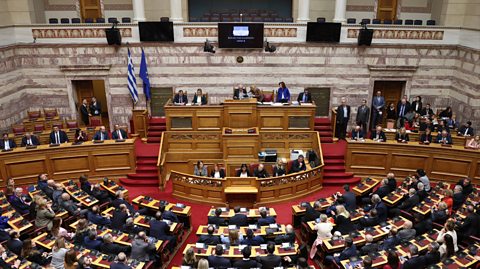
Most countries are likely to have either a President or Prime Minister. But did you know that Greece has both?
The president is the head of state and has mostly a ceremonial role. As for the Prime Minister, they are the head of the government, meaning they have the most political power.
This article was written in January 2026
