|
 |
 | | | You are in: Football: Europe |
|
| |  Monday, 28 October, 2002, 09:23 GMT Monday, 28 October, 2002, 09:23 GMT State of play: Yugoslavia 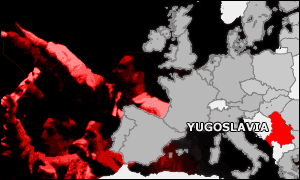
How big a problem is racism in Yugoslav football? Politics and football became inter-related, particularly during the Civil War. The Yugoslav warlord Arkan, who was once the head of Red Star Belgrade's supporters club, recruited some of the club's most violent hooligans from the fan group Delije ("Tigers"). So it is not a superficial kind of racism but a more organised and deep-rooted problem. How does the problem manifest itself? But it seems that whenever a Yugoslavian team plays an English team, there is a problem with racist chanting. Only this season, Ipswich players were taunted when they played FC Sartid in the Uefa Cup. Which clubs are the worst offenders? Two years ago, Leicester played Red Star in Vienna and Ade Akinbiyi and Andrew Impey were subjected to racist chants. I witnessed a game in Vienna last year when Partisan Belgrade played Rapid in the Uefa Cup and Rapid's Dutch forward Gaston Taument was heavily abused throughout the match. Is the problem getting any better? With the bigger clubs like Red Star and Partisan, we are still in the very early stages of co-operation. Fare recently held an Action Week and as part of that there were anti-racism activities in Belgrade - they were the first in Yugoslav football and it is only a start. But we are now getting the feeling that Yugoslavs are starting to have a more European outlook and they are beginning to address the problem. What are the authorities doing to improve the situation? Smaller clubs, like OFK Belgrade, seem to have a very positive approach but the bigger clubs have been less co-operative so I cannot say that there is a growing campaign or even a real awareness of the problem. Some clubs believe that they could alienate their traditional fan base if they put anti-racism messages over the public address system or in match programmes. What we would say is that in fact it has quite the opposite effect - that they will attract more fans by making football more attractive and accessible to people. | |
Top Europe stories now:  Links to more Europe stories are at the foot of the page. | ||||||||||||||||||||||||||||||||||||||||||||||||||||||||||||||||||||||||||||||||||||||||||||||||||||||||||||||||||||||||||||||||||||||||||||||||||||||||||||||||||||||||||||||||||||||||||||||||||||||||||||||||||||||||||||||||||||||||||||||
|  | | | | | ||||||||||||||||||||||||||||||||||||||||||||||||||||||||||||||||||||||||||||||||||||||||||||||||||||||||||||||||||||||||||||||||||||||||||||||||||||||||||||||||||||||||||||||||||||||||||||||||||||||||||||||||||||||||||||||||||||||||||||||
| |
|  E-mail this story to a friend E-mail this story to a friend |
| |
| Links to more Europe stories |
| | | ||
 | ||||
 | | Back to top
| ||
| ------------------------------------------------------------ BBC News >> | BBC Weather >> -------------------------------------------------------------------------------- © MMIII | News Sources | Privacy |