Wetin you need to know about di ocean treaty wey kontries just sign afta 10 years of negotiations
Wia dis foto come from, Getty Images
- Author, Esme Stallard
- Role, Climate and Science Reporter, BBC News
- Published
Kontries don agree on a historic agreement to protect di world oceans afta 10 years of negotiations.
Di High Seas Treaty aim na to place 30% of di seas into protected areas by 2030, to safeguard and ginger marine nature.
Dem reach di agreement on Saturday evening, afta 38 hours of toks for UN headquarters for New York.
Di negotiations don face challenge for years over disagreements on funding and fishing rights.
Dem sign di last international agreement on ocean protection 40 years ago for 1982 - di UN Convention on di Law of di Sea.
Dat agreement establish an area wey dem call di high seas - international waters wia all kontries get a right to fish, ship and do research - but only 1.2% of dis waters dey protected.
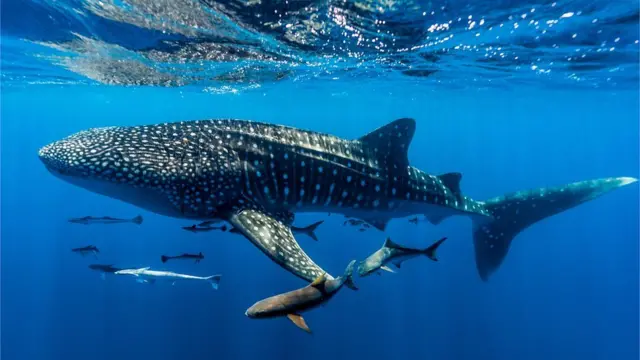
Marine life wey dey live outside of dis protected areas don dey at risk from climate change, overfishing and shipping traffic.
For di latest assessment of global marine species, dem find say nearly 10% dey at risk of extinction, according to di International Union for Conservation of Nature (IUCN).


End of Di one wey oda users dey read well well
Dis new protected areas, wey dem establish for di treaty, go put limits on how much fishing fit take place, di routes of shipping lanes and exploration activities like deep sea mining - wen dem take minerals from a sea bed 200m or more below di surface.
Environmental groups don dey concerned say mining processes fit disturb animal breeding grounds, create noise pollution and dey toxic for marine life.
The International Seabed Authority wey dey oversee licensing tell BBC say moving forward, "any future activity for di deep seabed go dey subject to strict environmental regulations and oversight to ensure say dem carry dem out sustainably and responsibly".
Wia dis foto come from, Getty Images
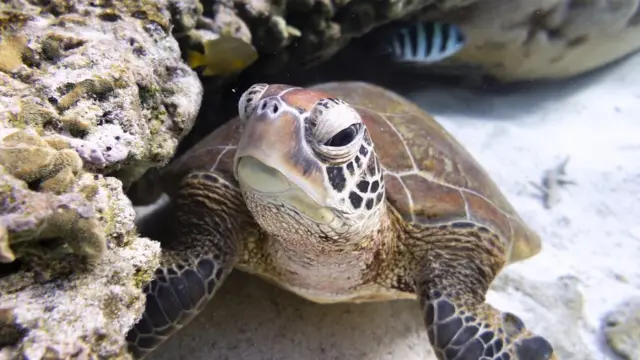
Rena Lee, UN Ambassador for Oceans, bring down di gavel (as sign of agreement) afta two weeks of tok-tok wey sometimes bin be like say e dey go left.
Minna Epps, director of di IUCN Ocean team, say di main issue na over di sharing of marine genetic resources.
Marine genetic resources be biological material from plants and animals for di ocean wey fit cause benefit for society, like pharmaceuticals, industrial processes and food.
Richer nations currently get di resources and funding to explore di deep ocean but poorer nations bin wan ensure any benefits dem find dey shared equally.
Wia dis foto come from, Getty Images
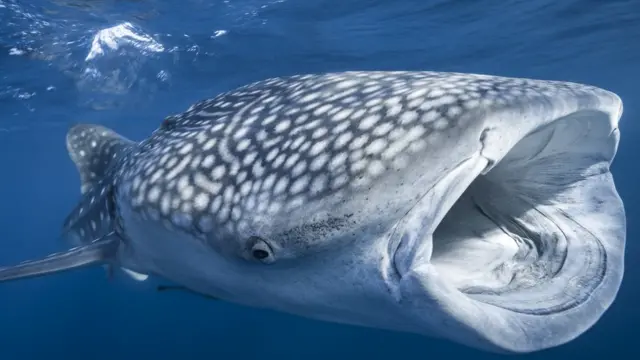
Dr Robert Blasiak, ocean researcher for Stockholm University, say di challenge be say nobody know how much ocean resources dey worth and how dem fit split am.
E say: "If you imagine a big, high-definition, widescreen TV, and if only like three or four of di pixels for di giant screen dey work, dat na our knowledge of di deep ocean. So we don record about 230,000 species for di ocean, but e dey estimated say dem dey over two million."
Laura Meller, wey be oceans campaigner for Greenpeace Nordic, hail kontries for "putting aside differences and delivering a treaty wey go let us protect di oceans, build our resilience to climate change and safeguard di lives and livelihoods of billions of pipo"
"Dis na historic day for conservation and a sign say in a divided world, protecting nature and pipo fit win over geopolitics," she add.
Kontries go need to meet again to formally adopt di agreement and den dem get plenty of work to do before dem fit implement di treaty.
Liz Karan, director of Pews Trust ocean governance team, tell BBC say: "E go take some time to take effect. Kontries go get to ratify am [legally adopt am] for am to take effect. Den a lot of institutional bodies like di Science and Technical Committee also dey wey dem go need to set up."
Wia dis foto come from, Getty Images