Di Nigerian woman wey dey clean up land soaked in oil
By Georgina Rannard
BBC News Climate and Science
Wia dis foto come from, Eucharia Nwaichi
Dis na one tori wey no dey common. A fix environmental disaster wey actually dey work.
Oil spill afta oil spill don turn di Niger Delta, for southern Nigeria, into one of di most polluted places on Earth.
E dey extremely dangerous - militant groups blow up pipelines, dem accuse oil companies say dem neglect dem, kidnappings dey grow- and dem no dey trust outsiders again.
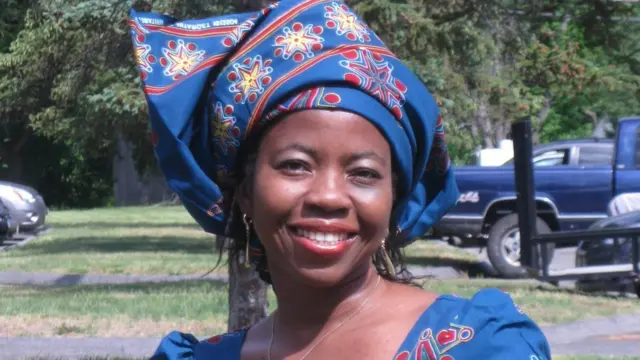
For one land soaked in oil and wey fires dey burn, one scientist, Eucharia Nwaichi, come prepared wit knowledge and a calm but unshakeable determination to detoxify.
"We want solution wey dey green and based on nature. We n wan cause any harm for everything we do," she tell BBC for one interview.
Now 44, dem just award her di John Maddox prize - for scientists wey stand dia ground in di face of adversity. "Congrats to me", she joyfully tell di award ceremony for London, proud to be di first African woman to win.




End of Di one wey oda users dey read well well
Eucharia na biochemist for di University of Port Harcourt. Di way she rehabilitates soils and water contaminated wit oil and other chemicals dey really simple.
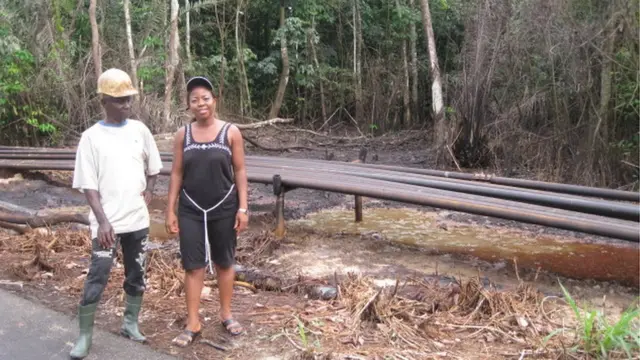
Dem call am bioremediation - planting vegetation wey dey naturally comot pollutants for di soil, without di need to remove chemicals and dispose of dem elsewia.
Dem dey call am to di site of oil spills - wa chemicals and heavy metals like mercury, lead and chromium leak into di ground - and she monitor di pollution.
Wia dis foto come from, Eucharia Nwaichi
She don dey work for di Niger Delta - di "garden of Nigeria" wey get deep oil and gas reserves -since 2003.
Wen she be PhD student she discover say di waste from oil refining dey choke di water. E dey cause conflict between di community and di oil company wey dey work for di area - Eucharia explain say as she prove di cause of di problem wit documented evidence, she persuade di company to change how dem dey extract oil.
Dis use of science during violent disputes na wetin make her win di Maddox prize.
"Eucharia engage opposing hostile forces in asking scientific questions to make sure solutions go dey effective," Tracey Brown, director of charity Sense in Science wey award di John Maddox prize tok.
Wetin mark her out na her diplomacy - winning over local pipo and to dey persuade oil companies to pay for detoxification.
Afta suffering di effects of major pollution for decades, pipp don turn to di courts for justice. For 2021 one Dutch court rule say Shell gatz compensate farmers.
But Eucharia say di environment dey suffer in di meantime. During litigation, cleaning up no be priority, she tok. To get dem on board, she say local pipo gatz feel involved in di solution.
"If you no engage wit pipo properly, you run di risk of being kidnapped. First I meet di community chief, di women leader, di youth leaders," she tok.
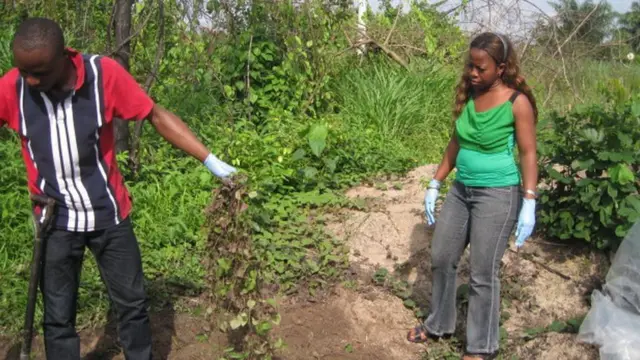
Wia dis foto come from, Eucharia Nwaichi
Speaking Pidgin or di local language, and using traditional knowledge dey help build trust, she explain am.
"Pipo get excited and feel like scientists, because dem dey work wit us researchers to fix di problem," she tok.
"We also learn from dem. Dem get planting techniques wey we no sabi - dem teach us how to make di solution work for dia area," she explain am.
She believe di contaminated land suppose dey restored so crops fit grow again and fishing go fit dey possible, instead of communities to focus only on financial compensation.
Despite say dem offer dem jobs for prestigious US universities, she says she stay to work for di Niger Delta, because she get "one mission to make my kontri great".Many environmentalists dey consider international oil companies an enemy. Amnesty International and Friends of Earth don fight to hold dem to account for communities wey dem don leave wit poor health, without safe drinking water and dem don also destroy dia livelihood.
But Eucharia say she no dey interested in taking sides. "We no dey here for battle. We just wan pipo to be responsible," she say. "To dey responsible dey more important than fighting. E dey more enduring."
She don face her own threats though. For 2020, as she dey document one fresh oil spill, she says one oil company threaten her as dem destroy her data and equipment. She claim say di operator also challenged her, say as a woman, dem no suppose allow her work for dia.
Despite di ever-present risk of violence, she continue because she believe "na mother nature call on me to be a steward" and because she see fact as a force for good.
"Di power of science be say pipo fit prove say dem no do am based on bias or pesin personal interest," she tok.