Why our ancestors be cannibals (and why we stop to be cannibals)
Wia dis foto come from, Getty Images
- Author, José Luis Guil Guerrero
- Role, BBC
- Reporting from, The Conversation
"La sociedad de la nieve" na 2023 feem wey di director Juan Antonio Bayona retell one recent episode of cannibalism.
Cannibalism na wen human being dey chop dia fellow humans.
Di feem na true story of one group of Uruguayans wey, afta dem suffer plane crash for di Andes, bin dey forced to feed on di deadi body of dia companions.
But for di icy background for di feem e get one disturbing doubt wey we bin face ourselves: dat na say, at one time wey we fit eat human flesh.
We hominids don do so throughout our evolutionary history and, arguably, we dey do am out of necessity.
Cannibalism, bin dey constant for human evolution

Wia dis foto come from, NETFLIX
About 1.45 million years ago for Kenya, our ancient relatives bin dey eat each oda, according to cut marks for tibia, dat na di oldest decisive evidence wey show say our ancestors bin slaughter and eat each oda.
But di extent of cannibalism fit be from older hominid wey live for South Africa during di Plio-Pleistocene period (between 2.5 and 1.5 million years ago), dia right jaw bin show cut marks wey dey causesed by a stone tool.
During dis period, e be like say all hominids na cannibals, from di Homo antecessor of Atapuerca" and di Neanderthals to di different societies of Homo sapiens.




End of Di one wey oda users dey read well well
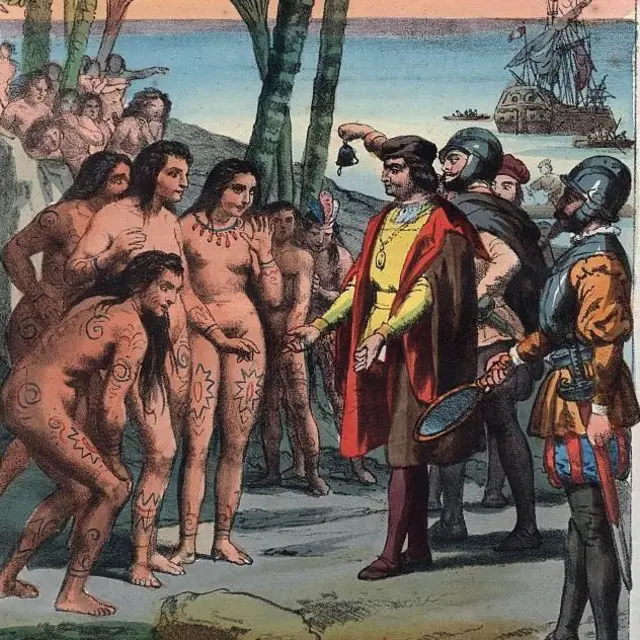
For example, evidence dey say di aborigines Columbus wey dem contact for America na cannibals. For oda geographical areas, including certain Pacific islands, dem bin dey practise cannibalism until recent times.
Wia dis foto come from, Getty Images
Wen we be hunters, we bin need a lot of fat.
Di ability of our species -and our oda previous relatives- to adapt to any type of habitat bin get big influence for dia diet.
For arctic and circumpolar regions, especially during glacial periods, di proportion of animal food wey dem chop bin dey higher dan warmer regions, and di main source of energy dat time na animal fat.
Compare to di southern regions, plant foods, wey dey rich in carbohydrates, bin dey more frequent.
However, dependence on fat don always dey since, di reasons na becos of di need to consume omega-3 and omega-6 fatty acids, e dey essential for hominids and important for di brain to function well.
In fact, lack of omega-3 go lead to di appearance of various deficiency diseases.
Horses and elephants get more omega-3 pass reindeer
Mammals wit simple stomach (hominids, horses, bears, elephants and mammoths) get subcutaneous fat rich in omega-3.
While, animals Wey get complex digestive system or ruminants (goats, reindeer, deer and bison) dey always show body fat wey dey poor for these fatty acids.
E show say di nutritional status of our ancestors dey largely dependent on dia choice of prey.
We know say Stone Age hominids, dat time, dey closely dependent on a few species of animals for subsistence and bin get little room for choice.
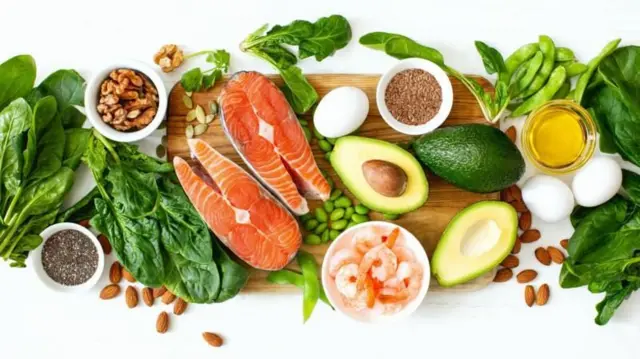
Wetin happun wen omega-3-rich prey bin dey scarce? Di answer dey clear: oda plant sources of omega-3s, like flaxseed, walnuts and similar resources, fit don supply animal fat.
However, for Eurasia, during di long glacial winters, plant resources bin also scarce.
Dis for don cause chronic omega-3 deficiency diseases to manifest more frequently, so dat for di long term di evolutionary success of the hominin group go don dey compromised.
Wia dis foto come from, Getty Images
Link dey between omega-3 deficiency and cannibalism?
For all these reasons, during di Stone Age for Eurasia, foods of animal origin bin get a preferential place, especially during di glacial periods.
Faced wit shortage of carbohydrates, dem meet energy by eating mainly fat, wey dem get mainly from hunted animals.
Dis fat bin provide simultaneously "clean energy" and both omega-3 and omega-6. However, for many prehistoric periods, hominids bin depend on ruminant animals, like reindeer, dia fat dey poor in omega-3.
For dat kain circumstances, to eat among hominids fit help us to supplement di amount of omega-3 wey need to maintain health.
As recently as 40,000 years ago, Neanderthals and modern humans fit don hunt and eat each oda. Or at any given time, hominids of di same species fit don eat oda.
Since animals already dey provide meat, probably di nutrient of choice for cannibal table e fit be fat, wey dey rich in energy, as well as offal.
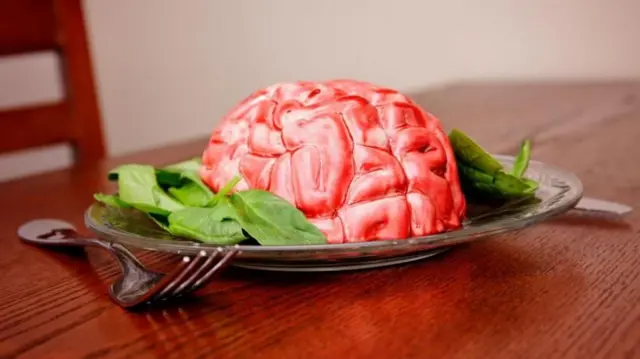
In fact, e dey easy to guess say one of di ogbonge delicacy for dis circumstances go be di hominid brain, wey becos of imlarge size, go provide high proportions of DHA, a type of omega-3 fatty acid wey dey essential for di prevention of plenty degenerative diseases.
Di problem na say if, wen dem dey eat each oda, dem bin prefer di viscera and body fat, di cut marks wey appear for di bones wen dem remove di meat go dey been less frequent.
Por ello, es posible que se estuviera subestimando la incidencia real del canibalismo en la prehistoria.
Therefore, e dey possible say di real incidence of cannibalism for prehistoric times bin dey underestimated.
Wia dis foto come from, Getty Images
Cannibalistic behavior and evolution
Dis situation wey dem describe above for Eurasia for Stone Age be extrapolated to oda prehistoric environments wia more abundant sources of omega-3s go don dey been available?
Yes. Although southern areas offer a greater diversity of omega-3 sources, foods wey dey rich in such acids, like fish or nuts, no go always dey available in large quantities.
Moreover, di human body as a food resource no for cease to dey attractive, both for di nutritional quality wey dem describe and for di ease of procurement.
Based on dis, cannibalistic behavior for always dey evolutionarily wey for favor di survival of hominids.
Dis situation wey dem describe above for Eurasia for Stone Age be extrapolated to oda prehistoric environments wia more abundant sources of omega-3s go don dey been available?
Yes. Although southern areas offer a greater diversity of omega-3 sources, foods wey dey rich in such acids, like fish or nuts, no go always dey available in large quantities.
Moreover, di human body as a food resource no for cease to dey attractive, both for di nutritional quality wey dem describe and for di ease of procurement.
Dis mean say we be violent and aggressive species: rather, we for dey "conditionally violent".E mean say, we adjust our behavior depending on di resources available.
Di next time you go supermarket and see di variety of foods wey dey available, including those wey dey rich in omega-3s like fish, nuts or flax oil, take few minutes to think about di long history of di scarce resources wey our ancestors suffer.
* José Luis Guil Guerrero na Professor of Food Technology for University of Almeria.
*Dis article dem published for Conversation and reproduced here under Creative Commons license.