Di young women wey fight Ethiopia last civil war and no want anoda one
Wia dis foto come from, Rahwa Gebremedhin
- Author, Hana Zeratsyon
- Role, BBC Tigrinya
- Published
- Read am in 7 mins
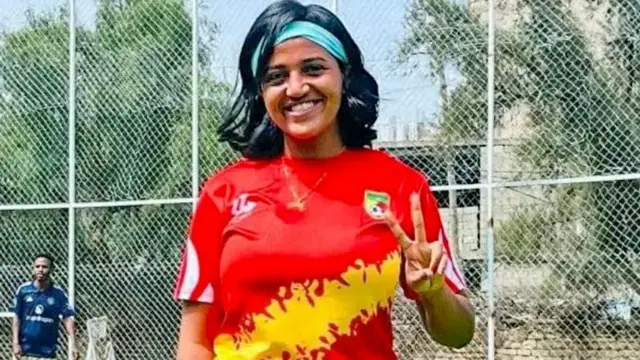
Twenty-two-year-old Abeba Amdu don see some of di best years of her life dey consumed by war - and she no get wish to see anoda conflict for Ethiopia northern Tigray region, wey some fear say fit break out.
She bin go di front lines for 2020 as a Tigrayan soldier to fight for di civil war against di federal army and she dey deeply traumatised by her ordeal more dan three years after di end of di brutal conflict.
"I lost evritin," she tell BBC Tigrinya.
Bifor di war, Abeba be a rising football star. Playing since di age of seven, she eventually become a striker for di 70 Enderta female football team at 17.
She see herself as a feminist, taking on traditional attitudes about women participation in sport. Di teenager bin also be an outstanding student, wey study IT for Tigray main city of Mekelle, and get a clear vision for her future.
Den di world she know stop suddenly. First, na di coronavirus pandemic, wey lead to di suspension of her studies. Den war break out.
"I no believe in war, becos I know wetin my parents go through," she tok.
Abeba dey refer to di fact say her mother and father bear di scars of di long and brutal war wey finally end in 1991 with di Tigray People's Liberation Front (TPLF) overthrowing Ethiopia den ruler Mengistu Haile Mariam.

End of Di one wey oda users dey read well well
Di TPLF go on to dominate di federal govment until 2018, wen di current Prime Minister Abiy Ahmed take office followingbig demonstrations against di repressive rule.
Di TPLF den retreat to dia stronghold of Tigray, and get big fall-out with Abiy over di future direction of di kontri.
Conflict between di two sides come break out in 2020, wen neighbouring Eritrea get war for one side of di federal army.
E end two years later, following a peace deal wey di African Union (AU) broker. Di envoy, former Nigerian President Olusegun Obasanjo, put di number of pipo wey die for conflict around 600,000.
For Abeba, di call to arms no just be a choice: na an inheritance of duty.
Growing up in a household wey dey grounded in di lore of di TPLF, she dey raised on stories of her father sacrifices from 50 years ago fighting di Mengistu regime. Patriotism and commitment na di very fabric of her upbringing.
But her decision to join di TPLF armed wing, di Tigray Defence Forces (TDF), bin also be a desperate response to di fear of being raped as she become aware of how women dey sexually abused by di "enemy".
"Di perpetrators no come for one pesin; I for don get di same fate as di victims. Na di whole situation wey force me to fight."
Right now, I see fear everywhere - the fear of another conflict"
Di thrill of sport give way to di reality of war. Dem get a constant hunger and a lack of basic necessities, including sanitary pads.
However, di end of di war no bring di peace Abeba bin expect. Returning to her family and her career prove to be im own kind of battlefield.
"Both my body and my mind dey traumatised."
She find herself dey struggle with isolation - feeling misunderstood by those wey no share her experience.
"Na now wey I understand my father character - di character of im fighter get a sense of anger. I realise now say no be becos e never heal.”
Abeba describe a cycle of grief and friction - arguing with loved ones, quitting jobs, and crying in solitude.
Di focus wey dey required for professional football don evaporate. Though she bin attempt to return to training, di weight of di "wasted years" make am impossible to reclaim her former edge.
To channel her pain into sometin productive, Abeba work briefly as a journalist and also launch "Wegahta," one women project wey dey aimed at mentoring 30 teenage footballers.
She hope to foster di next generation of players, but financial constraints eventually pause di initiative.
Ultimately, Abeba dey view these efforts as a search for a sanctuary rather than a simple career move: "I set do all dis to find a hiding place."
Wia dis foto come from, Selam Hailu
Abeba greatest fear na say war fit break out again.
In late January, brief clashes bin dey reported between federal troops and Tigrayan fighters, wey bin dey demand di return of areas seized by di neighbouring Amhara region during di conflict.
Drone strikes hit Tigray and flights to regional cities bin dey suspended for nearly a week.
Di federal govment bin also accuse Eritrea say e dey meddle for di region but dis time, dem dey back Tigrayan forces. Eritrea dey deny di allegation.
For dia part, di TPLF dey accuse di federal govment of deploying troops near Tigray borders in preparation for fresh fighting, while Abiy dey accuse di group say dem dey siphon state funds to sustain dia forces.
"Right now, I see fear everywia - di fear of anoda conflict," Abeba tok.
"I no believe say war dey necessary. We don see say in di end, na negotiation - not combat - wey go provide di solution."
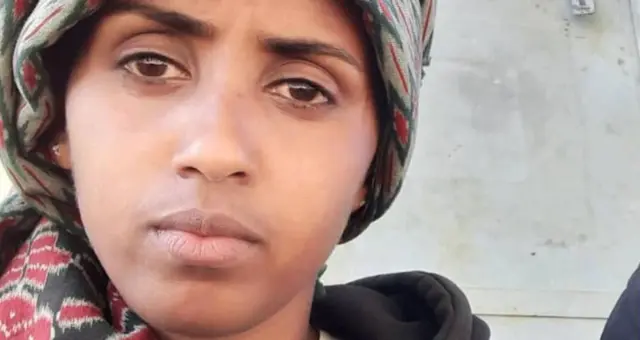
Selam Hailu, a 30-year-old lawyer and mother of two, na also a veteran of di war front and also dey echo all dis sentiments.
She join di fight for September 2021 wen, she note say, she already be mother, her eldest child just dey five years old.
Her reason dey deeply personal. Her parents, retired govment employees wey bin don already join di war, return exhausted and in a bad condition.
Seeing dia plight and hearing dia accounts of "sexual violence and mass killings", Selam say she feel compelled to act, and along with her younger sister, she go join di Tigrayan forces.
Like oda women, dem first receive short but intensive military training.
Selam find life in di mountains of Tigray challenging: "For me e dey difficult to urinate in di wild."
People are hoarding whatever they can, convinced that their savings are all that stands between them and total ruin"
Di hardship dey compounded by sexism.
"No-one understand wen we dey menstruate and our behaviour dey change," Selam explain.
Di most serious battle, however, na di military leadership.
"Di problems within di army na say dem no believe say woman dey talented, capable," she tok.
She notice say a teenage female fighter wey no dey “afraid of a bullet, dey afraid of an officer word or punishment", and many of dem remain silent wen dem dey forced into relationships.
As she dey older and be lawyer, she speak out against such "unprincipled relationships" - and she bin face punishment as dem detain her for a night.
Selam also worry say war fit break out again: "Young pipo dey run comot from di city by any means, legal or illegal. We fit see di terror wey dey written on everyone faces.
"Pipo dey hoard wateva dem fit, as dem dey convinced say dia savings na all wey stand between dem and total ruin.
"No-one need peace more and we do - we simply no fit afford anoda sacrifice."
Wia dis foto come from, Abeba Amdu
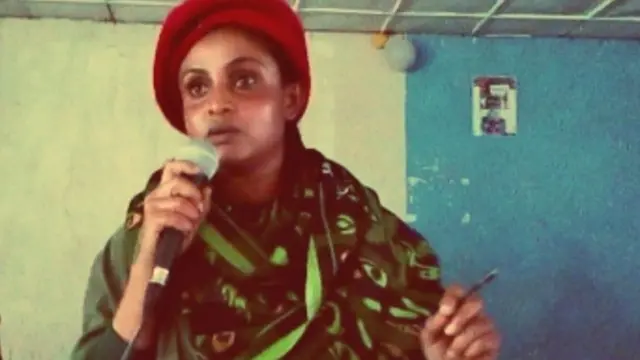
For 30-year-old Rahwa Gebremedhin, wey be lecturer for Mekelle University, di war feel like intrusion on her hopes rather dan a meaningful political cause.
Her professional life bin just start, and she get aspirations of her generation, to get a house, a car, and children.
However, she join di Tigrayan forces becos of di atrocities wey di "enemy forces" commit.
"I dey shocked by di killings. I dey angry becos women bin dey sexually assaulted, evritin destroy.”
As an academic, her military knowledge come from war films.
"E bin dey difficult, to master di landscape, arming, training," she tok.
Di emotional and psychological toll of di war dey dey strong, and di transition back to civilian life dey prove to dey challenging.
"You fit see all di symptoms of PTSD [post-traumatic stress disorder] from me. Evri woman bin dey traumatised.
"I go back to my lecturing job, but e no dey di same. I no feel anytin.
"I just dey try to survive."