
บทเรียนย่อย 1
1 แบบฝึกหัดWhy does X mean ‘kiss’ in English?
02 Nov 2018Millions of people finish their messages with an 'X', which means ‘kiss’ in English. Learn how 'X' came to mean ‘kiss’ in today’s episode!
વિશ્વમાં લાખો લોકો પોતાનો સંદેશાને 'X' સાથે સમાપ્ત કરે છે, અંગ્રેજીમાં જેનો અર્થ થાય છેે 'ચુંબન'. આજનાં ઍપિસોડમાં જાણો 'X' નો અર્થ 'ચુંબન' કઈ રીતે બન્યું!
บทเรียนย่อย 2
1 แบบฝึกหัดWhy do teenagers leave their homework to the last minute?
29 Oct 2018Today we examine one scientist’s analysis of teenagers, homework and the brain. Can she explain why teenagers leave their homework to the last minute?
આજે અમે કિશોરો, હોમવર્ક અને મગજના વૈજ્ઞાનિકના પૃથક્કરણ વિશે ચર્ચા કરીશું. શું વૈજ્ઞાનિક જણાવી શકે છે કે શા માટે કિશોરો પોતાનો હોમવર્ક છેલ્લાં મિનિટ માટે રાખી મૂકે છે?
บทเรียนย่อย 3
1 แบบฝึกหัดWhy do penguins waddle?
16 Nov 2018Penguins have a distinctive walk, or ‘waddle’. Today we discover the scientific theory that explains why penguins waddle.
પૅન્ગ્વિનની એક અલગ ચાલ અથવા 'waddle' હોય છે. આજે અમે પૅન્ગ્વિનની અલગ ચાલ પાછળની વૈજ્ઞાનિક સિદ્ધાંત વિશે ચર્ચા કરી રહ્યાં છે.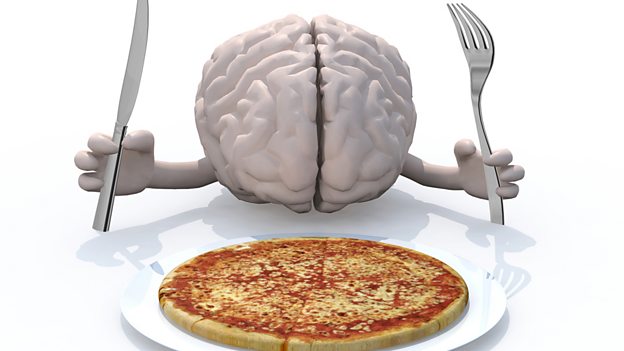
บทเรียนย่อย 4
1 แบบฝึกหัดHow does fat affect the brain?
23 Nov 2018How does fat affect the brain? Today we listen to part of a scientific discussion and explain the ideas around this topic.
ચરબી મગજને કઈ રીતે અસર કરે છે? આજે આપણે આ વિશે કરવામાં આવેલ વૈજ્ઞાનિક ચર્ચા સાંભળીશું અને આ વિષયને આધારિત મુદ્ગાઓ સમજવાનો પ્રયાસ કરીશું.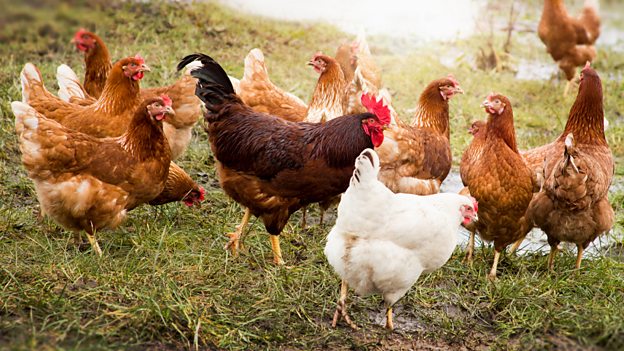
บทเรียนย่อย 5
1 แบบฝึกหัดWhat can chickens teach us about productivity?
30 Nov 2018Can the behaviour of chickens teach us about our own behaviour? Some studies say it can! Today we are explaining the ideas behind this theory.
શું મરઘીઓ પોતાના વર્તન દ્વારા માનવીઓને વર્તન વિશે કંઈક શીખવી શકે છે? કેટલાક અભ્યાસો કહે છે કે આવું થઈ શકે છે! આજે આપણે આ સિદ્ધાંત પાછળના વિચારો વિશે ચર્ચા કરી રહ્યાં છે.
บทเรียนย่อย 6
1 แบบฝึกหัดWhat can thinking about death teach us about life?
03 Dec 2018Can considering death help to improve our lives? Today we listen to the thoughts of an end-of-life carer.
શુું મૃત્યુને ધ્યાનમાં લેવાથી આપણું જીવન સુધરી શકે છે? આજે આપણે એવી વ્યક્તિને સાંભળીશુું જે મૃત્યુની નજીક હોય એવા લોકોનું સંભાળ રાખે છે.
บทเรียนย่อย 7
1 แบบฝึกหัดWhat happens when we see robots that look like us?
07 Dec 2018Robots can often look like humans, but how does this make us feel? Listen on to learn great language around this topic.
રોબૉટ ઘણીવાર મનુષ્ય જેવા દેખાય છે, પરંતુ વાતથી આપણે કેવો અનુભવ થાય છે? આ વિષય સાથે સંલગ્ન મહત્ત્વની ભાષા શીખવા માટે સાંભળો.
บทเรียนย่อย 8
1 แบบฝึกหัดWhy are songs getting faster?
13 Dec 2018Modern life moves very quickly, but why does music need to move quickly too?
આધુનિક જીવન ખૂબ ઝડપથી આગળ વધી રહ્યું છે, પણ શા માટે સંગીતને પણ ઝડપથી આગળ વધવું જોઈએ?
บทเรียนย่อย 9
1 แบบฝึกหัดWhy do we say ‘you’ when we describe our own personal experiences?
19 Dec 2018People often say ‘you’ when describing their own experiences. Today we examine one psychologist’s theory about why this happens.
પોતાના અનુભવો વર્ણવતી લોકો ઘણી વખતે અંગ્રેજી શબ્દ 'you' કહે છે. આજે આપણે એક માનસશાસ્ત્રીના સિદ્ધાંત અંગે ચર્ચા કરી રહ્યાં છે અને જાણવાનો પ્રયાસ કરી રહ્યાં છે કે આવું
કેમ થાય છે.
บทเรียนย่อย 10
1 แบบฝึกหัดWhy was salt so important?
04 Jan 2019Nowadays we judge status and wealth with cars and clothes – but how was it measured in the past? Today we find out why salt was so important!
આજે આપણે કાર અને કપડાં દ્વારા સ્થિતિ અને સંપત્તિનું મૂલ્યાંકન કરીએ છે. પરંતુ શું ભૂતકાળમાં પણ આવી રીતે જ કરવામાં આવતું હતું? આજે આપણે ચર્ચા કરીએ છે કે અગાઉનાં સમયમાં મીઠું કેમ આટલું મહત્વપૂર્ણ હતું!
บทเรียนย่อย 11
1 แบบฝึกหัดWhy does time seem to pass at different speeds?
07 Jan 2019Have you ever wondered why sometimes time goes fast, while sometimes it goes slowly? Well Listen Here To find out!
શું તમે વિચાર્યું છે કે શા માટે સમય ક્યારેક ઝડપથી નિકળી જાય છે અને ક્યારેક ધીમે-ધીમે પસાર થાય છે? જાણવા માટે સાંભળો!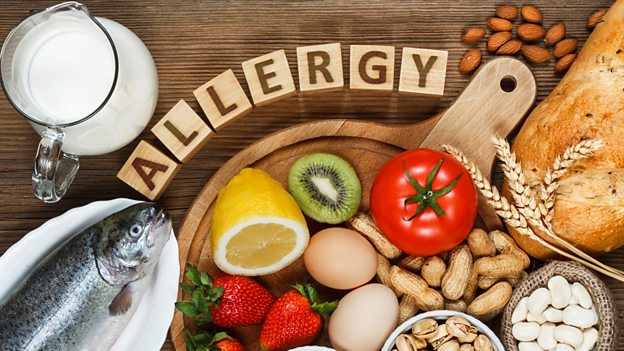
บทเรียนย่อย 12
1 แบบฝึกหัดWhy might you develop a food allergy?
11 Jan 2019With the number of food allergies on the rise in the UK, in this episode of Listen Here, we discuss what might be one of the leading causes of this phenomenon.
ખાદ્ય ઍલર્જીના કિસ્સાઓ યુ.કે. માં વધી રહ્યાં છે. આજે Listen Here નાં ઍપિસોડમાં અમે આની પાછળનાં મુખ્ય કારણો વિશે ચર્ચા કરી રહ્યાં છે.
บทเรียนย่อย 13
1 แบบฝึกหัดWhy is the smell of coffee better than the taste?
15 Jan 2019Why does coffee, among other foods, smell better than it tastes? Today we'll find out!
બીજા ખોરાક કરતાં શા માટે કૉફીની સુગંધ એનાં સ્વાદ કરતાં સારી હોય છે? આજે અમે આ વિશે ચર્ચા કરીશું.
บทเรียนย่อย 14
1 แบบฝึกหัดHow does age affect political opinion?
25 Jan 2019Age and political opinion. Learn grammar, vocabulary and practise your pronunciation as we examine one scientist's theory about how these topics are related.
ઉંમર અને રાજકીય અભિપ્રાય. આજે અમે બન્ને મુદ્દાઓ સાથે સંબંધિત એક વૈજ્ઞાનિક સિદ્ધાંતની ચર્ચા કરી રહ્યાં છે. સાંભળો અને શીખો મુદ્દા સાથે સંલગ્ન વ્યાકરણ અને મહત્ત્વનું શબ્દભંડોળ અને સાથે-સાથે ઉચ્ચારણનો અભ્યાસ પણ કરો.

บทเรียนย่อย 15
1 แบบฝึกหัดWhy do we love pressing buttons?
08 Feb 2019Buttons are everywhere – in homes, in lifts, on our phones. They are an essential part of using our tools. But many people enjoy pushing buttons for the mere fun of it. Why are they so satisfying to use? Find out more and learn some great language on this topic.
બટનો બધે છે - ઘરોમાં, લિફ્ટમાં અને અમારા ફોન ઉપર. બટનો આપણા સાધનોને ઉપયોગ કરવા માટે હોય છે પણ ઘણા લોકો માત્ર આનંદ માટે વારંવાર દબાવે છે. અાવું કરવું કેમ લોકોને આનંદ આપે છે? ઍપિસોડ સાંભળો અને જાણો આ વિષય ઉપર વધુ. સાથે-સાથે શીખો મહત્ત્વની અંગ્રેજી ભાષા પણ.

บทเรียนย่อย 16
1 แบบฝึกหัดWhy do young people feel so lonely?
15 Feb 2019More young people than ever before report feeling lonely. But why? In today's episode we listen to one university professor's explanation for this.
વધુને વધુ યુવાઓ એકલતા અનુભવી રહ્યાં છે. પણ આની પાછળનાં કારણો શું છે? આજે અમે સાંભળીશું વિશ્વવિદ્યાલયનાં એક પ્રોફેસરને જે આ વિશે જણાવી રહ્યો છે.
บทเรียนย่อย 17
1 แบบฝึกหัดWhy do people enjoy sad music?
13 Feb 2019Some people love to listen to sad music, while others find it incredibly depressing! Learn why people have different opinions about sad music with Listen Here!
ઘણાં લોકોને દુઃખી સંગીત સાંભળવું ગમે છે જ્યારે અમુક લોકોને આ નિરાશાજનક લાગે છે! આજનાં Listen Here ઍપિસોડમાં સાંભળો કે શા માટે દુઃખી સંગીત માટે લોકોનાં અભિપ્રાય અલગ-અલગ હોય છે.

บทเรียนย่อย 18
1 แบบฝึกหัดWhy are we so fascinated by superheroes?
14 Mar 2019Thor, Batman, Captain America, Superman… The number of superhero films is on the rise – but why are we so fascinated by them?
થોર, બૅટમેન, કૅપ્ટન અમેરિકા, સુપરમેન...સુપરહિરો ઉપર આધારિત ફિલ્મોની સંખ્યા વધી રહી છે - પણ શા માટે આ ફિલ્મોથી આપણે આકર્ષિત કરે છે?
บทเรียนย่อย 19
1 แบบฝึกหัดWhy does love make us do crazy things?
29 May 2019Love makes us do crazy things! Join us on today's episode to look at the reasons why. We also practise listening, pronunciation and present grammar and vocabulary around the topic.
પ્રેમ આપણને ઘણી તરંગી વસ્તુઓ કરાવે છે! આની પાછળનાં કારણો જાણવા માટે આજનો અમારો ઍપિસોડ સાંભળો. અમે ઉચ્ચારણ અને સાંભળવાની ક્ષમતાનો અભ્યાસ કરીશું. સાથે-સાથે વ્યાકરણ અને શબ્દભંડોળ પણ જાણીશું.

บทเรียนย่อย 20
1 แบบฝึกหัดWhy is yawning contagious?
25 Mar 2019Have you ever experienced the need to yawn when someone around you yawns? Listen to today’s episode to find out why we do this.
જ્યારે બાજુની વ્યક્તિ બગાસું ખાય છે ત્યારે શું તમને પણ બગાસું આવવા લાગે છે? આજનાં ઍપિસોડમાં સાંભળો અને જાણો કે આવું કેમ થાય છે.
บทเรียนย่อย 21
1 แบบฝึกหัดHow can we improve our memory with a pencil?
04 Apr 2019Today we are discussing ways we can improve our memory.
આજે અમે ચર્ચા કરી રહ્યાં છે કે પોતાની યાદશક્તિ કઈ રીતે વધારવી.
บทเรียนย่อย 22
1 แบบฝึกหัดWhy do we treat objects like living things?
23 Apr 2019Talking to your computer, getting mad at the traffic lights when they are slow to change – what strange behaviour!
Listen Here to find out why we communicate with objects!પોતાના કમ્પ્યુટર સાથે વાતચીત કરવું, જ્યારે ટ્રાફિક લાઇટ ધીમેથી બદલાય ત્યારે પાગલ થવું - કેવી વિચિત્ર વર્તણૂંક! શા માટે આપણે વસ્તુઓ સાથે વાત કરીએ છે? જાણવા માટે સાંભળો!
บทเรียนย่อย 23
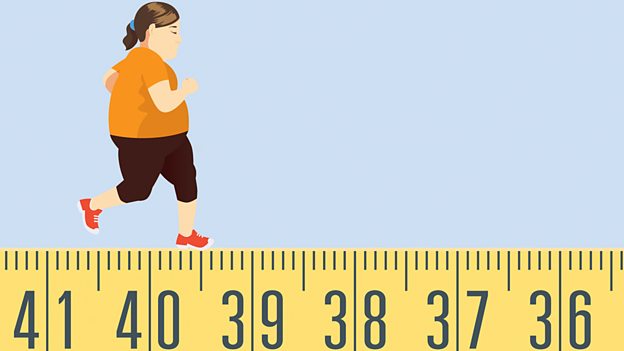
1 แบบฝึกหัดHow fat can we get before we’re unhealthy?
17 May 2019On today’s programme we will learn information and language about how diet can relate to our ethnicity.
આજનાં પ્રોગ્રામમાં જાણીશું કે કઈ રીતે ભોજન આપણી વંશીયતા સાથે સંબંધીત છે. આ વિશે માહિતી મેળવવાની સાથે-સાથે મહત્ત્વની ભાષા પણ શીખીશું.
บทเรียนย่อย 24
1 แบบฝึกหัดHow bad are screens for our health?
24 Jun 2019Most people spend a lot of time watching movies, using their smartphones and working on computers. Is this good or bad for our health? Find the answer on today's episode!
મોટાભાગના લોકો તેમના સ્માર્ટફોનમાં અને કમ્પ્યુટર ઉપર સિનેમાં જોવામાં ખાસ્સો સમય પસાર કરે છે. શું આપણાં સ્વાસ્થ્ય માટે આ સારું છે? કે ખરાબ છે? આજનાં એપિસોડમાં અમે આનો જવાબ શોધવાનો પ્રયત્ન કરી રહ્યાં છે.
บทเรียนย่อย 25
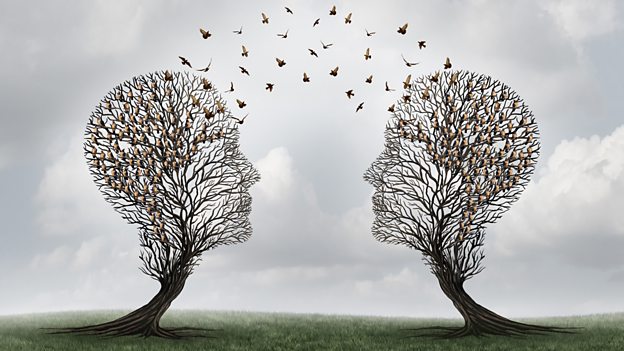
1 แบบฝึกหัดHow can plants communicate?
24 Jun 2019Humans talk, dogs bark, cats mark their scent, but how can plants communicate? Listen Here to find out!
મનુષ્યની વાત કરે છે, કુતરાઓ ભસે છે અને બિલાડીઓ તેમની સુગંધ ચિહ્નિત કરે છે. પરંતુ છોડ કેવી રીતે વાતચીત કરે છે? જાણ્વા માટે સાંભળો!
บทเรียนย่อย 26
1 แบบฝึกหัดHow can teachers be in two places at the same time?
31 Jul 2019Technology benefits education in many ways, but can technology help teachers to be in two places at the same time? Find the answer, practise your pronunciation and learn grammar and vocabulary with us on today's episode!
તકનીક શિક્ષણ માટે બહુ ફાયદાકારક છે, પણ શું તકનીક શિક્ષકને એક જ સમય બે જગ્યાએ હાજર રહેવામાં મદદરૂપ થઈ શકે? જાણો પ્રશ્નનો જવાબ, સાચું ઉચ્ચારણ આજનાં ઍપિસોડમાં. સાથે-સાથે શીખો વ્યાકરણ અને શબ્દભંડોળ પણ!
บทเรียนย่อย 27
1 แบบฝึกหัดHow might ants save your life one day?
24 Jul 2019Today we examine the benefits that colonies of ants offer to the health of humans.
આજે આપણે જાણીશું કે કીડીઓની વસાહતો કઈ રીતે મનુષ્યોના આરોગ્ય માટે ફાયદાકારક છે.
บทเรียนย่อย 28
1 แบบฝึกหัดWhy do some chillies make us cry?
02 Sep 2019Why do we cry when we eat spicy food? Today we examine the science behind hot chilli peppers.
તીખું તમતમતું ભોજન ખાતી વખતે શા માટે આપણી આંખમાંથી પાણી બહાર આવે છે? આજે આપણે લાલ મરચાં પાછળનાં વિજ્ઞાન વિશે ચર્ચા કરીશું.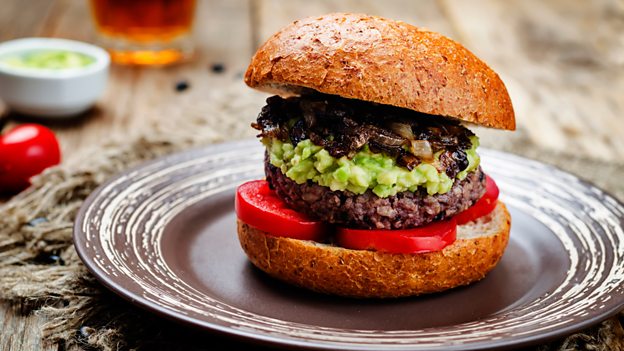
บทเรียนย่อย 29
1 แบบฝึกหัดHow can vegetables taste like meat?
06 Sep 2019Meat and vegetables have very distinct flavours – so how can we make vegetables taste like meat? Listen Here to find out!
માંસ અને શાકભાજીનો ખૂબ જ અલગ સ્વાદ હોય છે. તો આપણે શાકભાજીને માંસની જેમ સ્વાદિષ્ટ કઈ રીતે બનાવી શકીએ? જાણ્વા માટે સાંભળો!
Learning English
Inspiring language learning since 1943
ไทยเปลี่ยนภาษา
- หลักสูตร
- Essential English Conversationหลักสูตร
- Essential English Conversation 2หลักสูตร
- How do I...หลักสูตร
- How do I 2หลักสูตร
- You Ask We Answerหลักสูตร
- English on the Streetหลักสูตร
- English on the Street 2หลักสูตร
- English You Needหลักสูตร
- One Minute English หลักสูตร
- English in the Newsหลักสูตร
- English in the News 2หลักสูตร
- English in the News 3หลักสูตร
- Undercover Englishหลักสูตร
- Advanced English Phrases
- สำหรับคุณครูวิชาภาษาอังกฤษ
- Top Tips for Students
- English Class
- CEFR level Index
- ไทย Change Language
หลักสูตรAdvanced English Phrasesสำหรับคุณครูวิชาภาษาอังกฤษ Top Tips for Students English ClassCEFR level Index
- Essential English Conversationหลักสูตร
- Essential English Conversation 2หลักสูตร
- How do I...หลักสูตร
- How do I 2หลักสูตร
- You Ask We Answerหลักสูตร
- English on the Streetหลักสูตร
- English on the Street 2หลักสูตร
- English You Needหลักสูตร
- One Minute English หลักสูตร
- English in the Newsหลักสูตร
- English in the News 2หลักสูตร
- English in the News 3หลักสูตร
- Undercover Englishหลักสูตร
