What it’s really like to live with obesity or identify as fat
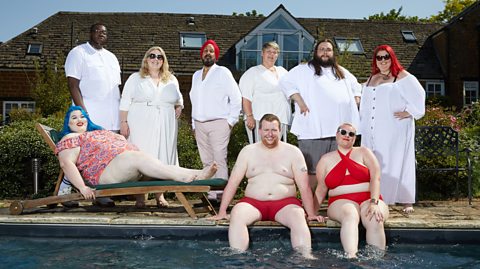 Image source, BBC
In a recent NHS report, statistics showed 29 percent of adults in England are classified as obese. But what is it really like to either live with obesity or identify as fat in modern Britain?
A two-part BBC Two documentary, Who Are You Calling Fat?, looks to answer that question. Nine people spend a week living together and while they face the same stigmas about their weight, the way it’s shaped their attitudes differs hugely. Here, three of the housemates and obesity expert Dr Giles Yeo explain their views.
‘I’m frustrated that people don’t understand just how complex the causes of obesity are’ Sarah, 37, North Yorkshire
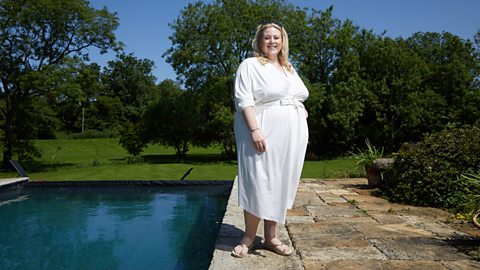 Image source, BBC
“We’ve been told for so many years that obesity is a lifestyle choice – people have chosen to live this way. That absolutely isn’t the case. Obesity is a very complex condition, there are so many factors at play.
“I have a degree in pharmaceutical chemistry and I now know the science behind obesity.
“But I don’t like the way I look, I don’t want to stand out. I want to have a ‘normal’ body, one that doesn’t restrict me. I don’t want to have to get on an aeroplane and ask for a seatbelt extension, I don’t want to question whether a chair will hold me.
“Yet while I’d like to be smaller I’m more at peace with myself now. My understanding of obesity has allowed me to be kinder to myself. It took time, though, to feel like this.
“I lost a significant amount of weight in 2012 when I took part in a weight-loss TV show. But over time, despite keeping up the diet and exercise, my weight started coming back on. I felt like a failure. I’d put myself through all of this but I was still gaining weight. I felt really out of control and that’s when I started to look into the science of it and gained an understanding about how there are genetics and hormones that impact weight. I learned it’s not all my fault that I’m like this.
“During my time in the house on Who Are You Calling Fat? I met fat activists and it was great to encounter people who were totally OK in their own skin, because I never have been. But I found some of the views a little extreme – especially on how there’s no correlation between body size and health. I’m aware that not everyone of a certain size is going to have health complications, but I do believe we are at higher risk of having them.
“I now have a daughter and she’s changed my outlook. I don’t want her to have issues with her body. Whatever size she ends up being, I want her to feel happy and healthy and I need to portray that to her. ”
‘I’m frustrated that I’ve got myself into this situation, but I’m trying to change’ Jack, 30, Cheshire
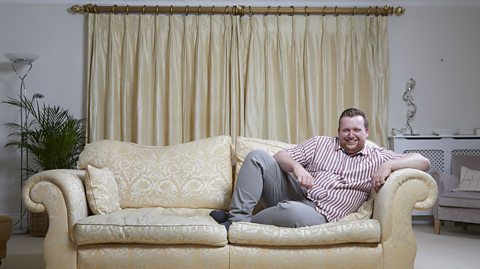 Image source, BBC
“I’ve struggled with my weight for years and I want people to see I’m trying to do something about it. Fat people can be a lot more active and energetic than you’d realise.
“I think my size comes down partly to genetics, but I also accept that a lot of it is down to personal responsibility. I’m a big guy, so even if I was 100 percent disciplined I don’t think I’d be anywhere near what my BMI should be, but I do feel responsible for the situation I’m in.
“I look back and think about when I was a kid. My mum and dad would go out and I’d sneak into cupboards and have chocolate and crisps and then hide the wrappers so they wouldn’t know. Over the years I’ve had loads of times when I really haven’t done that much exercise, I’ve eaten terrible foods, I’ve not really cared or thought about what I’m putting in my body
“Before I went into the Who Are You Calling Fat? house I was naïve about the strength of the body positivity movement. It can range from celebrating what you’ve been given – like if you have a medical condition that means you aren’t going to get any lighter – to the other end of the scale, which I thought was really extreme.
“At the end of the experience, I wouldn’t say I’ve become more body positive. There’s still a lot I don’t like about my body – it might never change but as long as I try that’s OK. The reason I started to lose weight was because I ended up with Type 2 diabetes, which I’ve put into remission.
“I’ve got a baby due in December and I want to be fit and healthy and set a good example.
“Society needs to be more understanding. There were people in the house who couldn’t do anything about their weight because of medical conditions and genetics. People should stop stigmatising and being so harsh – you don’t know other people’s situations. ”
‘I’m frustrated because people can’t accept I’m happy being fat’ Victoria, 35, Northern Ireland
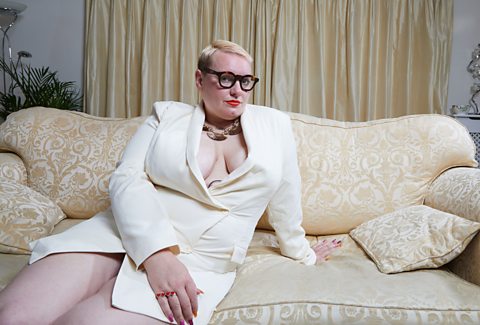 Image source, BBC
“It’s my life’s calling to share the message ‘it’s OK to be fat’. I strongly believe health and weight aren’t correlated – you can be fat and healthy and thin and unhealthy. Rather than going on diets that don’t work, I think you should accept your body for the way it is.
“I identify as fat, but in society we are led to believe this means people are sat at home, guzzling large milkshakes and eating doughnuts off their fingers like rings. The reality is very different. People are fat for many different reasons and the shame and stigma placed on fat people doesn’t make them thinner, it actually harms their physical and mental health.
“I’m body positive and happy to be fat. I know some people will be horrified to hear this, but if someone came along with a magic wand and made me thin I would be really sad.
“I haven’t always felt like this, I used to hate my body. I started dieting when I was a child and have spent the majority of my life dieting and fantasising about what would happen if I became thin. I believed I’d become healthy, worthy and lovable – that Brad Pitt would be blowing up my phone asking for dates – but when I did become ‘straight-sized’ none of this happened.
“Now, rather than dieting, I make decisions about what to eat based on what my body wants – if I have a salad it’s because I want the feeling of something fresh and I want the texture of something crisp, it’s not because I’m thinking it’s ‘healthy’.
“There were two things that were really impactful for me during my week in the Who Are You Calling Fat? house. Firstly, when we did a 'Stand For Self-Love' experiment, we stood in our bikinis with blindfolds on and let members of the public write on our bodies. The amount of support we received was great. People aren’t as fat-phobic as sometimes we’d like to think they are. Secondly, some people in the house had their own internalised fat phobia and sometimes I forget, because I’m surrounded by fat-positive people, just how destructive and powerful it is. I left the house more confident in my views and knowing I need to keep spreading my message as there’s a lot of misinformation out there. ”
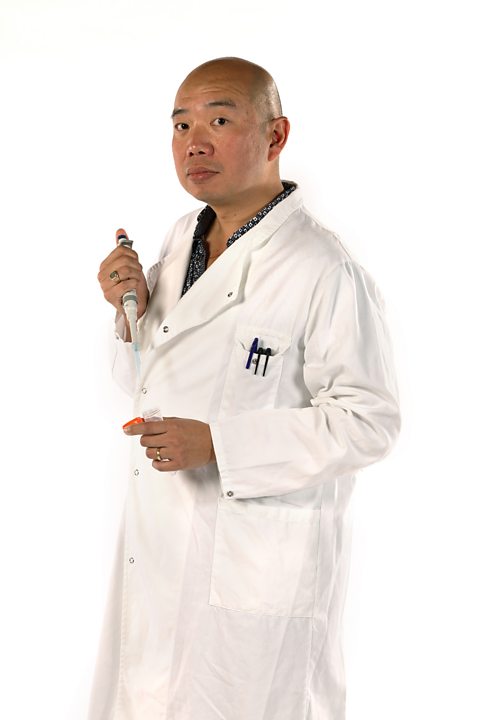
‘People need to understand that genetics play a key role in weight’ Dr Giles Yeo
“While there were many views about weight in the Who Are You Calling Fat? house, they all came from the same place. All nine contributors explained they’ve been looked at as lazy, and stigmatised. When this happens, people respond differently.
“It’s not the fault of the individuals that they are the size they are.
“There are both nature and nurture causes of weight gain. In terms of nature, hundreds of genes play a role in your body weight. Some people might be hungrier, some will find food rewarding, some will respond to stress by eating.
“Basically, some people will find it more difficult to say ‘no’ to food than others.
“Nurture plays a part too – it could be culture, education, social-economic class – all of those have an impact.
“One view expressed in the Who Are You Calling Fat? house is that weight doesn’t impact your health. But science doesn’t tell us that. Yes, someone who carries more weight could be healthier than someone who’s lighter, but that’s down to an individual’s fat cells – whether they’re big enough to contain all the fat or if they’re going to spill into the liver and muscles (which is what causes problems).
“While it’s true that someone’s body size is not an indicator of their health, we do know that obesity increases your risk of having certain conditions. For example, obesity is believed to account for 80–85 percent of the risk of developing Type 2 diabetes. Obesity is also linked to coronary heart disease and some cancers.
“If you want to lose weight and keep it off you need to find a plan you can stick to – which rules out extreme diets as you can’t stay on them for ever. There’s not going to be a magic diet that suits everyone, you just have to find an eating and lifestyle plan that suits you for the long term.
“Before embarking on any weight-loss plan you have to ask yourself why you’re doing it. Is it because you want to be skinny or healthy? Lots of us will never be skinny, and setting unattainable goals won’t help. Trying to lose enough fat so you can become healthier – that should be the focus. ”
Watch episode one of Who Are You Calling Fat? on BBC Two on Monday 28 October at 9pm and episode two at 9pm on Tuesday 29 October.