Prisons and prison reform, c.1700-c.1900
As ideas about punishment changed to focus on To make changes to something or someone, for improvement. and To restore someone to a normal life. To make someone better, or to get someone to recover from something. from c.1700, there was an increase in the use of prisons.
Change in the use of prisons
Houses of correction were used throughout the 16th, 17th and 18th centuries to punish Homeless, unemployed person who wandered the streets. and sex workers. However, prisons were mainly used to hold criminals who were awaiting trial. This changed during the 19th century as prisons became the normal method of punishment in Britain.
Early prisons
The conditions in early bridewell prisons remained the same as before the 19th century:
- All prisoners were kept together, leading to hardened criminals mixing with first-time offenders, women and children.
- A prison guard. were unpaid and so would often accept bribes from prisoners.
- Wealthy prisoners were able to have their own cell with comforts such as good food, alcohol and visitors.
- Poorer prisoners had to rely on charities and lived in overcrowded conditions.
- Prisons were damp, dirty and unhealthy, which caused illness to spread.
- Prisoners had to pay to see a doctor.
1823 Gaols Act
The government began a programme of penal reform in the 19th century. The aim was to ensure that prisons would reform prisoners and help them to become better people who were less likely to commit crime in the future. In 1823, the Gaols Act was passed under Home Secretary Robert Peel.
It was important in improving the conditions in prisons and was also a sign of growing government involvement in punishment. However, the Gaols Act only applied to 130 of the biggest prisons and was ignored by small prisons.
Prison reformers
The British government was influenced by the ideas of John Howard and Elizabeth Fry.
John Howard had visited many prisons throughout Britain. In 1777 he published a report titled The State of Prisons in England and Wales. This report detailed the problems in prisons, especially the fees that prisoners paid. Howard suggested the following improvements:
- separation of prisoners
- healthier living conditions, including private cells for ‘self-reflection’
- improved diet for prisoners
- wages for prison guards and gaolers so they would not exploit prisoners
- immediate release of prisoners who had completed their sentences
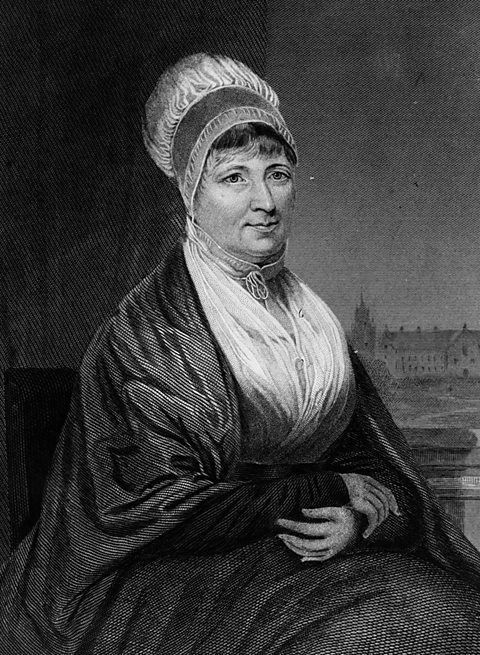
Elizabeth Fry was a Members of the Religious Society of Friends. and her religious beliefs influenced her ideas about prison reform. Fry believed that there was good in everyone and that prison should be used to help people become better. Fry visited women in prisons and was very concerned about the conditions she found. Fry highlighted the ways in which female prisoners were being exploited by male prison warders. She helped to improve the conditions in prisons by:
- setting up a prayer group for female prisoners
- improving living conditions in cells, including by providing furniture and clothing
- setting up a school for the children in Newgate Prison to teach them sewing and knitting
- persuading prisons to employ women warders to work with female and child prisoners
More guides on this topic
- Crime and punishment in Britain overview - Edexcel
- Crime and punishment in medieval England, c.1000-c.1500 - Edexcel
- Crime and punishment in early modern England, c.1500-c.1700 - Edexcel
- Crime and punishment in modern Britain, c.1900 - Edexcel
- Crime and punishment in Whitechapel, c.1870-c.1900 - Edexcel
