Enforcing law and order - the introduction of a police force
In 1750, law enforcement was still reliant on part-time and unpaid officials. However, by 1900, there was a professional police force in every town and county.
The Bow Street Runners
In 1750, parish constables (and Men who patrolled the streets at night in order to prevent crime. in some towns) were still responsible for enforcing the law. However, these officials:
- were unpaid and part time
- could arrest offenders but were not very effective at preventing crime
- only served for a limited period
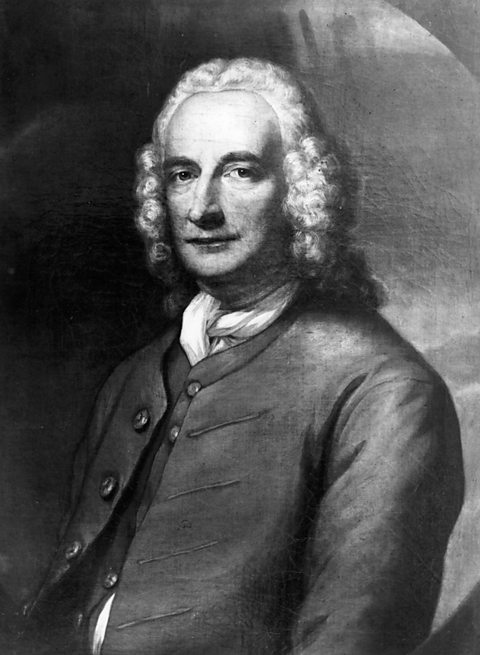
In the 1750s a group of part-time constables patrolled the streets of London each evening until midnight. This group had been set up by John and Henry Fielding, brothers and magistrates at the Bow Street Court. By 1800 there were 68 men, who became known as the Bow Street Runners.
In 1775, John Fielding suggested the extension of the Bow Street Runners to others parts of the country. However, the idea was considered too expensive and too radical at this time.
Opposition to a police force
Many people were against the idea of a centralised police force controlled by the government. This was because they:
- were concerned about the cost to the public
- didn’t believe policing was part of the government’s role
- were worried the police might limit people’s freedom and privacy
- thought the government might arm the police and use them to clamp down on legitimate protests
The Metropolitan Police Force
By 1829, the situation was starting to change:
- The rapid growth of towns and cities (particularly London) meant that the system of constables and watchmen was no longer sufficient.
- More Members of Parliament (MPs) were worried about public disorder. There had been a surge of protests over unemployment, food prices and the fact that working people did not yet have the vote.
- Crime was rising.
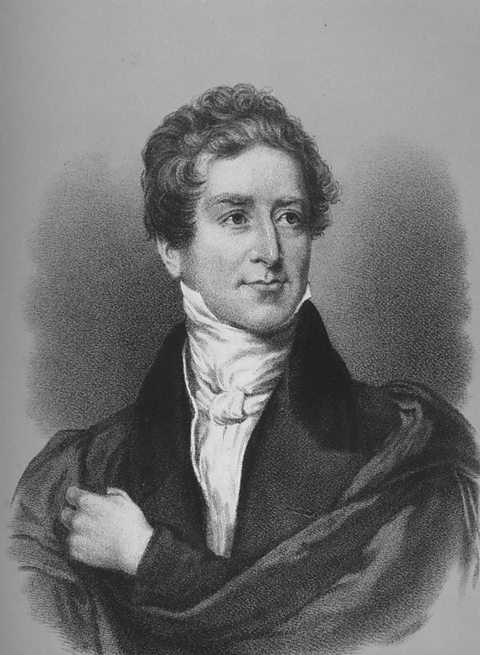
In 1822, Sir Robert Peel became the A government minister responsible for law enforcement and national security. He made establishing a police force one of his main aims. By 1829, he had won over the support of Parliament and the Metropolitan Police Force was set up in that year.
Initially, there were 3,200 men operating in a seven-mile radius in central London. They were paid for by government taxation. They were nicknamed ‘peelers’ or ‘bobbies’ after Sir Robert Peel. They wore top hats and blue uniforms to distinguish them from the army’s red coats. They were unarmed apart from a A short, thick stick carried by a police officer.
Developments after 1829
After 1829, the government introduced a series of laws to try to encourage the establishment of local police forces across the country:
| Date | Law | Details |
| 1835 | Municipal Corporations Act | This allowed towns to set up their own police force. However, the forces were paid for out of local rates (payments made by householders to their local council). As a result, not all towns set up a police force because ratepayers were concerned about the high costs involved. |
| 1839 | Rural Constabulary Act | This allowed counties to set up police forces too. However, again, only two-thirds did so because of the cost. |
| 1856 | County and Borough Police Act | This made it compulsory for a police force to be established in every district, and it provided more funding for local forces. It also ensured that local forces met national standards. |
| Date | 1835 |
|---|---|
| Law | Municipal Corporations Act |
| Details | This allowed towns to set up their own police force. However, the forces were paid for out of local rates (payments made by householders to their local council). As a result, not all towns set up a police force because ratepayers were concerned about the high costs involved. |
| Date | 1839 |
|---|---|
| Law | Rural Constabulary Act |
| Details | This allowed counties to set up police forces too. However, again, only two-thirds did so because of the cost. |
| Date | 1856 |
|---|---|
| Law | County and Borough Police Act |
| Details | This made it compulsory for a police force to be established in every district, and it provided more funding for local forces. It also ensured that local forces met national standards. |
Impact of the police, 1850-1900
Positive impact
- Most historians agree that the establishment of a police force contributed to the steady fall in crime after 1850.
- The police arrested petty thieves, sorted out traffic problems and removed people who were drunk from the streets.
- The Metropolitan Police Force set up a detective branch in 1842 and established the Criminal Investigation Department (CID) in 1878. This placed the burden of evidence gathering onto the police, removing it from ordinary citizens.
- By 1900, the CID was using technologies such as photography and fingerprinting.
- The police became accepted and well respected.
Limitations
- Officers were paid less than skilled workers because the biggest opposition to a police force was the cost involved.
- The low rate of pay tended to attract ex-soldiers and general labourers, who were not regarded as skilled workers.
- Initially, drunkenness among officers was a significant problem. There was a high rate of dismissals.
- The introduction of police did not solve the problem of crime. It is difficult to estimate how many crimes were prevented because of the presence of the police.
