Crime and criminals - impact of industrialisation
Industrialisation and other social changes brought about changes in the crime rate as well as some new types of crime.
Crime rates and types of crime
Crime rates
It is very difficult for historians to be certain about crime rates. There were no national crime figures before 1805. Additionally, even after 1805, lots of crime went unreported and new laws created new crimes. However, despite this, historians believe that:
- Overall, crime increased between 1750 and 1850.
- There was a very sharp increase in crime between 1815 and 1820.
- Crime then continued to increase steadily between 1820 and 1850.
- There was a gradual fall in crime between 1850 and 1900.
Types of crime
There were various factors involved in the types of crime committed in industrial Britain:
- The most common type of crime in this period was petty theft, which made up around 75 per cent of all recorded crime.
- Crime was not usually violent. Only approximately 10 per cent of crime involved violence.
- The murder rate was low and most people who were murdered were killed by someone they knew.
- There was organised crime but most criminals were first-time or occasional offenders.
- Around three-quarters of convicted criminals were male. Most of them were in their twenties or younger.
New crimes
Changes in this period led to some new crimes:
- not paying for a train ticket, or fare-dodging, on the railways
- The theft or misuse of money that is in your care, or that belongs to an organization or business that you work for. and other business-related crimes
- failing to send your children to school became a crime in some areas of the country
Reasons for the increase in crime
Increase in population
The increase in the population meant there were more offenders and more potential victims.
Economic and social changes
The growth of trade and industry meant that there were many more opportunities for criminals to commit crime. For example:
- There were more warehouses and factories, so theft from workplaces increased.
- The opening of more banks led to more bank robberies.
- The expansion of the middle classes meant that there were more houses with more valuable goods to be stolen.
The urban environment
Cities became more crowded, with plenty of alleyways and overcrowded streets and lodging houses. This provided the ideal conditions for criminal activity to go undetected.
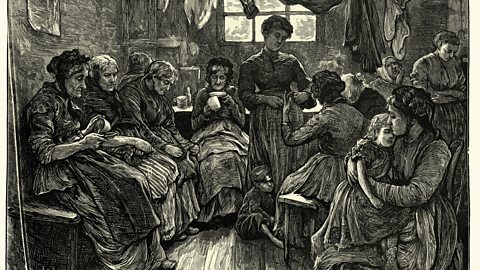
Unemployment and poverty
- During the Napoleonic wars against France there had been lots of demand for agricultural and industrial products such as textiles.
- In 1815 the Napoleonic Wars ended and the wartime boom stopped too.
- The industries that had benefited from the war began to lay off workers.
- Thousands of soldiers returned home to face unemployment and rising prices.
- Many people turned to theft out of desperation.
