Speed
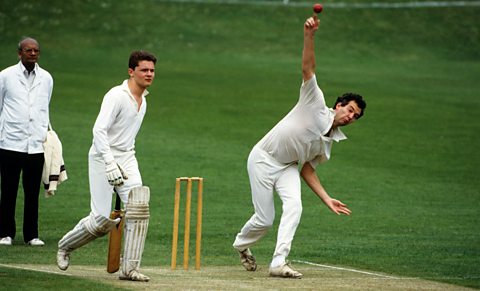
Speed is the ability of your whole body, arm or leg to move from one point to another as quickly as possible. Examples of this could be a sprinter moving their whole body, a cricketer moving their arm to bowl the ball or a goalkeeper taking a goal kick.
Positive impact
In rugby, a player with good leg speed can kick the ball further during a penalty kick. This means they can kick from further away from the posts and this means the opposition are much more careful about not giving a penalty away in their own half of the pitch.
A tennis player with good arm speed can swing the racket faster, increasing the power of the shot. This gives their opponent less time to react to the ball and less chance of a successful return.
Question
How might good whole body speed have a positive impact on a gymnastic performance?
A gymnast with good whole body speed performing a vault will have a faster run up, giving them greater height and rotation. This allows them more chance to perform their skills and still get the feet round to a landing position, earning them a better score.
Negative impact
In squash, slower whole body speed means a player will take longer to cross the court to various shots and this will result in less chance of a successful return.
A swimmer with a slower leg kick in the front crawl means their legs will sink a little bit more in the water which increases drag. The swimmer will have to use their arms more, which will increase the tiredness of the stroke as the race goes on.
Question
How might slow arm speed have a negative impact on a softball player?
A fielder in softball with slower arm speed will not be able to throw the ball as far or as quickly. This means other players will have to move away from bases to collect the ball, giving the runner a better chance of getting in.
More guides on this topic
- Knowledge and understanding - Mental factors
- Knowledge and understanding - Emotional factors
- Knowledge and understanding - Social factors
- Key planning information
- Performance development - Mental factors
- Performance development - Emotional factors
- Performance development - Social factors
- Performance development - Physical factors
- Investigating performance
- Tracking and Assessing Progress
