All about Ireland
Ireland has a long and fascinating history, boasting everything from stunning natural landscapes to famous cities, incredible buildings and much more. Known as the Emerald Isle to many, it is famous for a lot of things, from its historic castles to symbols like the shamrock, being the heart of St Patrick’s Day celebrations, the iconic stout beer, Guinness, and being the backdrop to some of the world’s most famous TV shows and films.
Every year, tourists from across the world travel to see all Ireland has to offer. But how much do you know about Ireland?
BBC Bitesize takes a closer look at just a number of fun and interesting facts about Ireland and its history. There is so much to mention – but you can find out a few fascinating facts below
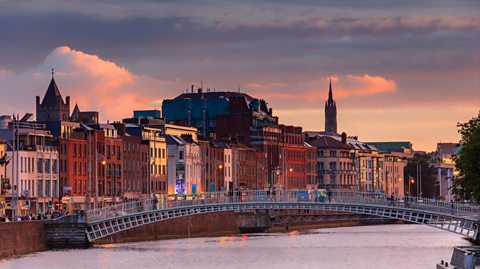
1. Its nickname is the Emerald Isle
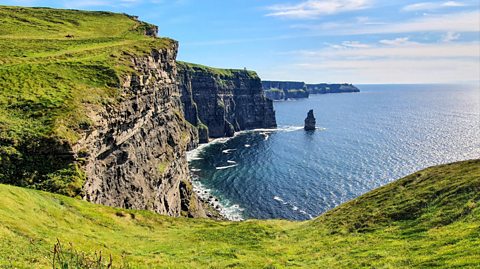
When you hear somebody talk about Ireland, you may hear them refer to it as the ‘Emerald Isle.’ But where does this nickname originate?
Well, it is largely due to its stunning, vast green landscapes. But the nickname itself was made popular by Irish physician and writer William Drennan, who in his 1795 poem When Erin First Rose compared Ireland to the precious stone.
2. Irish Gaelic is the first official language
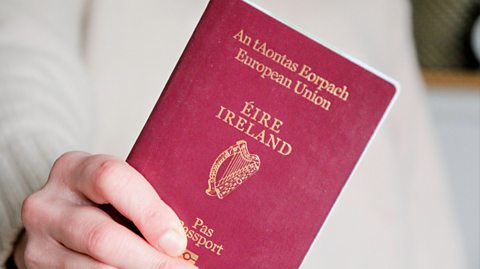
In the Republic of Ireland, English and Irish Gaelic have official status and are both widely spoken. However, the Gaelic language, also known as Gaeilge or Irish, is the national and first official language of Ireland.
The Celtic language is said to be one of the oldest written languages in the world. It is believed that the language dates back to the 4th century.
3. The national emblem isn't a shamrock
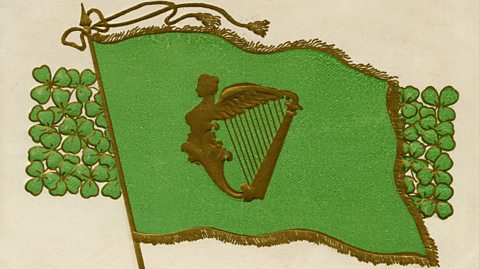
The shamrock – a three-leaved green plant, has long been a symbol of Ireland. Seen throughout Ireland, especially during celebrations like St Patrick’s Day, it would be easy to assume it is the country’s national emblem.
But this is in fact the harp. A unique national emblem for thousands of years, the musical instrument represents Ireland’s culture and musical heritage.
4. Halloween began in Ireland

Celebrated in many parts of the world annually on 31 October, Halloween is a day to celebrate all things spooky – dressing up in incredible costumes, going trick or treating and more. The name comes from All Hallows’ Eve, the day before All Hallows’ Day, or All Saints’ Day, which is a Christian holiday.
It is widely believed that the origins of Halloween can be traced back hundreds of years to Ireland, to the pagan festival of Samhain. The celebration saw the Celts mark the end of the harvest season and the beginning of winter.
5. Count Dracula was written by a Dubliner
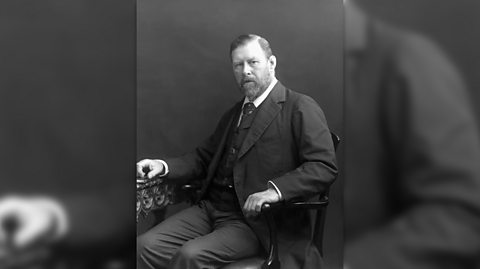
Perhaps the most famous vampire novel to ever exist, many will have read, or at least heard of the gothic novel Dracula. Published in 1897, it was written by author Bram Stoker, originally from Dublin, and follows an English solicitor named Jonathan Harker who travels to Transylvania to assist Count Dracula, who he learns is a vampire.
The lead role, Dracula, is later hunted down and killed by a small group, led by Abraham Van Helsing. The novel has long inspired other vampire-themed fiction – but the Irish author almost called his work something entirely different.
6. St Patrick wasn't Irish
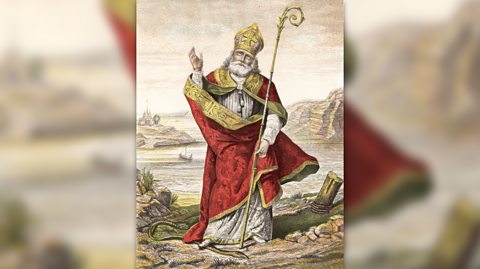
Throughout time, we’ve come to learn about the work of many saints – people who have led holy lives and are believed to be especially close to God. This includes St Patrick, the patron saint of Ireland, who is believed to have been born around 373AD and is credited with bringing Christianity to Ireland.
There are a number of legends associated with St Patrick, from the belief he drove snakes from Ireland to famously using the shamrock leaf – a leaf with three parts – to represent the Father, the Son and the Holy Spirit. St Patrick’s Day is on 17 March and has long been a hugely popular holiday celebrated around the globe – but the saint was in fact not originally from Ireland, but believed to be born in Britain.
7. The remains of St Valentine are in Ireland
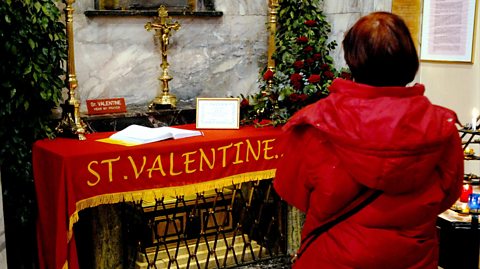
Keeping on the theme of saints – there is also another famous name with ties to the Emerald Isle. This is St Valentine, most famously known as the patron saint of love.
Every year, the saint is celebrated on 14 February – but today, his remains can be found in Whitefriar Street Church in Dublin. St Valentine died in Rome, but his remains were transferred to the Irish capital in 1836 by Father John Spratt.
8. Cheese and onion flavoured crisps were invented there
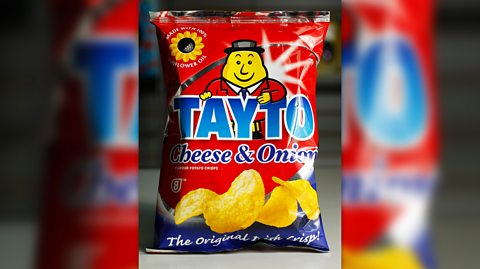
From humble beginnings, an Irish entrepreneur in Dublin birthed one of the country’s most-loved food brands – Tayto. But did you know he is also the mind behind the cheese and onion flavoured crisp?
Back in 1954, Joe ‘Spud’ Murphy invented what is believed to be the world’s first flavoured crisps. He is believed to have created the cheese and onion Tayto with Seamus Burke – a crisp flavour classic still loved today.
9. Hurling is the fastest field sport in the world
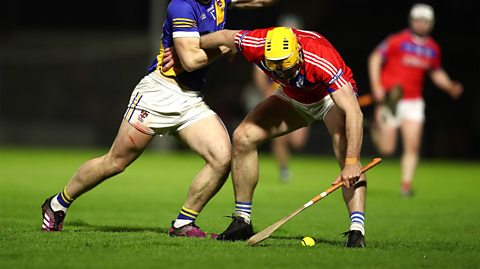
Considered to be the fastest field sport in the world, Hurling is an ancient Gaelic Irish outdoor team game which dates back generations. Originating in Ireland, the object of the game is to use a wooden stick, known as a hurl or hurley, to hit a small ball known as a sliotar into the opponent's goal.
The game is said to have been popular in Ireland for around 3000 years. Today, it is played all over the world and has even been recognised by UNESCO (United Nations Educational, Scientific and Cultural Organisation) as part of the Intangible Cultural Heritage.
10. The longest place name
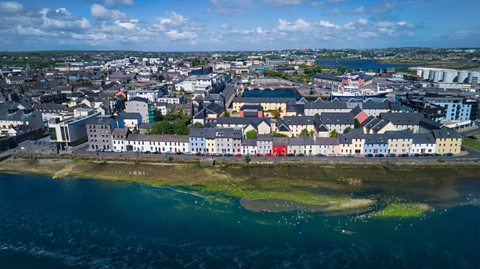
Ireland attracts millions of visitors and tourists every year to see everything from its famous cities to natural beauties and much more. But have you ever heard of the longest place name in Ireland?
Located in County Galway, you’ll find Muckanaghederdauhaulia. The 22-letter word derives from the Irish phrase "Muiceanach idir Dhá Sháile," meaning "pig-marsh between two saltwaters."
