Home educated teenagers discuss why it works for them
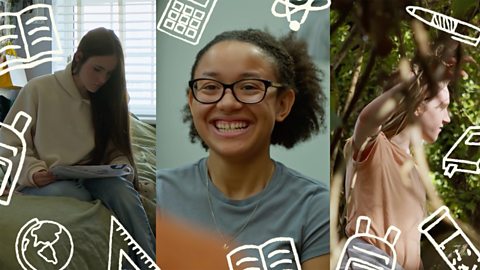
BBC Bitesize sits down with four teenagers, all of whom are or have been home educated, to discuss their journeys. These conversations cover topics from the benefits home education has provided academically and mentally, to staying social and taking the next step into higher education.
Listen to these real, authentic home education experiences and read on for tips and advice.
Video: Teens discuss why home education works for them
Charles: I like that I can just be in nature.
Mali: I have the freedom to choose what I want to do that day and do the things I love.
Anree: I was pretty much homeschooled all my life, up until sixth-form.
Malaya: I found all of the earlier stages of home education just really natural because it was what I had grown up on.
Mali: I think the reason I like home education is because you have a lot more freedom than in school and you can kind of do the work in your own time.
Charles: We can choose what we learn about as well as the normal subjects. I like to learn about dinosaurs. We learnt about the Egyptians. That was really fun.
Mali: Some of the benefits have been I've been a lot more confident just being able to learn at my own speeds. My grades are a lot better.
Charles: It's not having to sit at like a desk for hours. I get more time outside to do my hobbies, to play with friends.
Anree: How did you find the transition from home education to mainstream?
Malaya: Academically, I found that hard because I could work, like the workload was fine. The actual like studying was fine. The content. It wasn't unmanageable, but it was more the other factors in the adjustment that just mentally like -
Anree: Yeah.
Malaya: - Frazzled me.
Anree: It's so much different than what you're used to. I mean, it's the same thing for anything it's like -
Malaya: Yeah, it's not like it's harder…
Anree & Malaya: It's just different.
Anree: You're now used to being completely autonomous and also being given stuff to work with.
Malaya: Yeah.
Anree: The amount of autonomy increases with each stage, but you've kind of done it not not backwards, but you've gone from all autonomy to very little autonomy. It's just this nice middle ground.
Where can I learn more about the benefits of home education?
To hear more authentic home education experiences, check out our home education video collection, featuring videos from parents on a number of topics, including autonomous learning, mental health and common misconceptions about home education.
For more general home education advice, take a look at our guides on how to home educate in the UK, how to apply for home education funding and how to teach practical skills as part of home education.
To hear more from the four teens above, be sure to watch:
Where can I find more support for home education and parenting?
The BBC Bitesize home education collection is designed to support you and your child’s learning at home with free resources for early years and foundation stage (EYFS), primary and secondary-age students.
Bitesize Parenting is the go-to place for the whole parenting community to find stories, expert advice and fun activities.
If your child has special educational needs and / or disabilities, be sure to check out the Parenting SEND collection. Bitesize also has a collection of Sensory Stories, an immersive video series that transports you on unique sensory adventures, for children with additional or complex needs.
For more information about home education, these BBC News articles cover the rise in families deciding to educate their children at home and, from 2021, the impact of Covid on home education.
Sign up to the BBC Bitesize newsletter! External Link
For home education news and stories plus updates on the latest Bitesize content, register for our newsletter today.

