Dhukaasa dhaabuun Iraaniif hiika maalii qabaata, itti aanee maaltu ta'a?
Madda suuraa, Getty Images
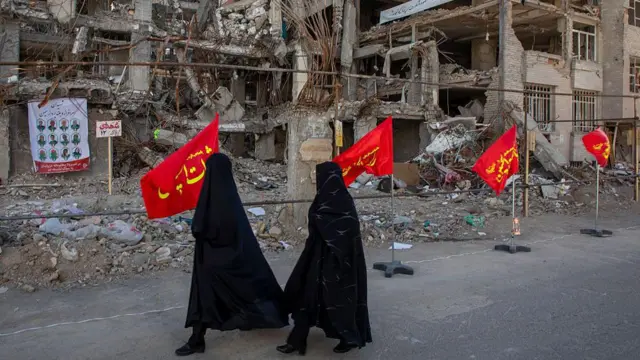
Guyyaa tokko dura, kan qopheessaa magaalaa Teehraan gaggeessaa jiru, Rippabliki Islaamaa, magaalattii keessatti walga'a daandii ummanniifi konkolaataan itti baayyatu tokko irratti baanarii baayyee guddaa tokko kaa'eera.
Baanariin kun akkas jechuun labsa: "Ulaan Hormuuz akkuma cufametti itti fufa."
Kun Hoganaa Waliigalaa Iraan haaraa Mojtaabaa Kameenii kan erga ji'a darbe bakka abbaa isaa ajjeefamee bu'ee ummata duratti mul'atee hin beekne agarsiisuuf jedhameera.
Baanariin kun erga waliigaltee dhukaasa dhaabuurra gahameefi biyyi jaarsummaadhaan US fi Iraan walitti fidde Paakistaan, akka Ulaan Hormuuz banamuuf gaafatteen booda kaafamuu qaba ture.
Iraan irra deddeebiin dhukaasa dhaabuu kan yeroof ta'e akka hin barbaadne kan dubbatte oo ta'u, waraanni Ameerikaafi Israa'el isheerratti banan akka guutummaan guutuutti dhaabbatu barbaaddi.
Warri mataa jabaatan gammadoo miti. Gabaasni Tehiraan irraa dhaga'aman akka agarsiisanitti, waliigaltee dhukaasa dhaabuurra gahamuu hordofee alaabaa US fi Israa'elitti abidda qabsiisanii gubaa turan.
Gareen milishoota Baasiij murtee kana mormuun halkan walakkaa gara ministeera dhimma alaatti duulan.
Saatii muraasaan booda, gulaalaan gaazexaa mataa jabaachuun beekamu Kayhan dhukaasa dhaabuuf waliigaluun, "diinotaaf kennaadha", sababiin isaa ammoo akka deebiyanii bayyaannatanii waraana kana itti fufan godha jechuun barreesse.


Kanneen mata-jabinaan beekaman dandeettii Iraan Ulaa Hormuuz cufuun biyyoota Galoo Galaanaa qarqara galaanaa qaban misaa'eliifi dirooniin gooluu danda'uusheettti gootummaan itti dhaga'ameera.
Waamicha Ministeera Muummee Shebhaazii fi Hoggana Olaanaa waraanaa Paakistaan simachuun kan murtaaye Mana Maree Nageenyaa Biyyaalessaati.
Manni Maree Nageenyaa Biyyaalessaa Iraan keessatti hogganaa olaanaa jalatti qaama olaanaa murtoo kennu yoo ta'u, Pireezdaant Masuud Pezkshiyaaniin hogganama.
Manni Maree Nageenyaa Biyyaalessaa imalli Ulaa Hormuz torbanoota lamaan dhukaasi dhaabatetti banaa akka ta'u labseera.
Gabaasaaleen akka mul'isanitti yaada dhukaasa dhaabuu Paakistaan dhiyeessite akka fudhattu Chaayinaan michuu ishee kan taate Iraan amansiisuu keessatti gahee olaanaa baateerti.
Aaragalfii yeroo?

Waan qe’eefi addunyaan itti jirtu suuraafi viidiyoo bareedaan argattu.
Asin nu faana bu’aa
Xumura beeksisaa
Iraan waraana guyyoota 40 kanaan baay'ee mancaate.
Namoota 3000 oltu jalaa ajjeefame akka falmitoonni mirga namoomaa jedhanitti.
Prezantiin US Donaald Tiraamp ajjeechaa fi mancaatii dabalataaf Iraanitti dhaadatee ture.
Mata-jabeeyyiin Iraan waraana kana dhaabuun kan irra ture osoo bu'uuraaleen Iraan murteessoon hin manca'in ture jedhu.
Dhukaasa dhaabuun labsamuusaa sa'aatiiwwan musaasa dursee warra mataa jabaatu keessaa tokko kan ta'e, Abbaan Alangaa Gholamhossein Mohseni Ejei, TV mootummaatti bahuun Iraan waraanni akka dhaabbatu feeti, immoo olaantummaa keenyaan akka xumuramu feena jedhan.
Waan ministirri dhimma alaa duraanii biyyattii Javad Zarif, guyyoota dura artikilii US Foreign Affairs irratti barreesse.
Manni Maree Nageenyaa Biyyaalessaa waliigalteen dhukaasa dhaabuu kan godhame olaantummaa Iraaniin ta'uu hubachiise.
Deeggartoonni sirna Iraan tokkummaa keessan jabeessaa jedhe.
Akka miidiyaaleen Iraan jedhanitti, Afyaa'iin Paarlaamaa Iraan Mohaammad Baager Gaalibaaf marii US fi Iraan Islaamaabaaditti gaggeeffamuuf jiru kan dursan ta'u, gama Ameerikaan Prezidantii itti aanaa JD Vaansi. Kallattiin walitti haasawu.
Kun boqonnaa haaraadha. Mariin kallattiin Ameerikaa waliin akka hin godhamne Hogganaa Olaanaan duraanii Iraan Ayaatolaa Alii Kaamenii dhorkee ture.
Hogganaa haaraanis marii kallattii uggure fakkaata.
Dhukaasi haa dhaabbatu malee, Iraani fi US nagaa fulla'aarraa fagoo jiru.
Yoo mariin kun fashale waraanni itti fufuu danda'a. Warra Iraan waraana deeggaranirraa haalli kun ni mul'ata. Sirna mootummaa hamaa jijjiiruufis karaadha jedhanii abdatu.
Hedduudhaaf dhukaasni dhaabbachuun aaragalfii dhumaatii fi mancaatii hambise.