|
 |
 | | | | | | |||||||||||||||||||||||||||||||||||||||||||||||||||||||||||||||||||||||||||||||||||||||||||||||||||||||||||||||||||||||||||||||||||||||||||||||||||||||||||||||||||||||||||||||||||||||||||||||||||||||||||||||||||||
| | | You are in: Europe | |||||||||||||||||||||||||||||||||||||||||||||||||||||||||||||||||||||||||||||||||||||||||||||||||||||||||||||||||||||||||||||||||||||||||||||||||||||||||||||||||||||||||||||||||||||||||||||||||||||||||||||||||||||||
|
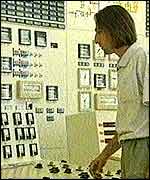
| | Tuesday, 31 December, 2002, 12:12 GMT Bulgaria starts closing nuclear reactors  The Kozloduy plant provides 50% of Bulgaria's electricity Bulgaria has begun decommissioning part of its only nuclear power plant - a process which will take up to 50 years to complete. The European Union has been pressing Bulgaria to close four of the six reactors at the Kozloduy plant for safety reasons. But there is widespread resistance to the plan within Bulgaria, which already faces energy price rises this winter. Bulgaria has to decommission the reactors if it is to realise one of its dearest ambitions - membership of the European Union in five years' time. It is also one of the conditions for receiving a European loan to modernise the two remaining reactors. Upgraded The plant, which lies 200 kilometres (125 miles) north of the capital, Sofia, currently supplies about half of Bulgaria's electricity.
The first reactor was closed in the early hours of Tuesday, 24 years into its 30-year lifespan. The second reactor, which is one year younger, is to be closed by the end of the day. The next two reactors will go by 2006. All are 440-megawatt pressurized water reactors without safety containment facilities, built between 1974-1982. That will leave just two reactors at the plant, both1,000-megawatt reactors with a safety shell, which were installed in 1987 and 1989. Protests The plan is for the two reactors being shut down on Tuesday to be prepared gradually for final decommissioning and dismantling. However, the power plant's management has asked the Bulgarian authorities for a licence to mothball the reactors for five years, in case a decision is taken to re-start them. The closure is a controversial decision: many Bulgarians see it as an attack on their sovereignty. The government survived two no-confidence motions in parliament last month - but there may be more difficulties to come. Correspondents say electricity prices are likely to rise - and some analysts are predicting energy shortages by 2010. However, Bulgarian Energy Minister Milko Kovachev said he did not expect "negative consequences" of either kind. Time scale Even Bulgaria's president has protested over the second phase of decommissioning. But it is likely to go ahead nonetheless - part of the painful price of Bulgaria's admission to the European club. Bulgarian media say the cost of decommissioning the first two reactors is estimated at $400m, of which the European Union is supplying $65m. The spent fuel from the reactors is expected to be deposited in a new dry fuel storage facility by the year 2010. It will take much longer to fully dismantle the reactor site and make it environmentally safe. | |
See also:  20 Dec 02 | Europe 16 Jul 02 | Europe 08 Mar 02 | Country profiles 02 Dec 99 | Europe 29 Nov 99 | Europe Internet links: The BBC is not responsible for the content of external internet sites Top Europe stories now: Links to more Europe stories are at the foot of the page. | |||||||||||||||||||||||||||||||||||||||||||||||||||||||||||||||||||||||||||||||||||||||||||||||||||||||||||||||||||||||||||||||||||||||||||||||||||||||||||||||||||||||||||||||||||||||||||||||||||||||||||||||||||||
 | |
|  E-mail this story to a friend E-mail this story to a friend |
| |
| Links to more Europe stories |
| | | ||
 | ||||
 | | Back to top
| ||
| ---------------------------------------------------------------------------------- To BBC Sport>> | To BBC Weather>> | To BBC World Service>> ---------------------------------------------------------------------------------- © MMIII | News Sources | Privacy |