|
 |
 | | | | | | ||||||||||||||||||||||||||||||||||||||||||||||||||||||||||||||||||||||||||||||||||||||||||||||||||||||||||||||||||||||||||||||||||||||||||||||||||||||||||||||||||||||||||||||||||||||||||||||||||||
| | | You are in: Business | ||||||||||||||||||||||||||||||||||||||||||||||||||||||||||||||||||||||||||||||||||||||||||||||||||||||||||||||||||||||||||||||||||||||||||||||||||||||||||||||||||||||||||||||||||||||||||||||||||||||
|
| | Thursday, 5 December, 2002, 07:46 GMT Hungary's very free markets 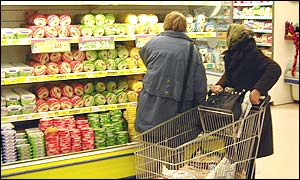 Unwitting participants in post-communist reconstruction
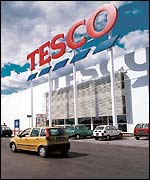
The EU will soon formally invite 10 countries to join - a move that for many marks the climax of the transition from communism. BBC News Online is touring Eastern Europe to find out if its economies are up to speed.  It's not even 1030, and already Tesco's tills are ringing furiously in Eger.
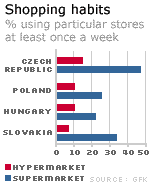
"The prices are good, but what's really impressive is the range," enthuses Rozsa Jurecska, a pensioner from the nearby village of Tarnaszentmaria, who shops at Tesco at least once a week. All over Eastern Europe, the emergence of supermarket shopping - and the resulting riot of billboards fringing every town - is one of the most unavoidable signs of the region's post-communist transformation. And while inculcating a taste for shopping scarcely seems the loftiest of aims, supermarkets have done more to bring east and west together than any amount of Brussels directives. Shopping channel Pretty much since the collapse of communism, international retailers in Eastern Europe have had to rethink their basic economics. 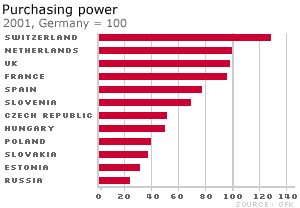 But while fewer than one-third of East Europeans can afford an annual holiday, they continue to spend bewildering amounts of money on consumer goods, and retail sales figures simply do not tally with the amount of money people ought to have in their pockets. That is partly because many East Europeans are still cagey about how much they earn, disguising second jobs and lucrative sidelines in the hope of cheating the taxman.
But it also has to do with the different structure of household economics: East European rents are low, and utility costs are almost negligible, leaving the region's shoppers able to spend up to 30% of their income on groceries, more than twice the maximum generally seen in the West. A super market Whatever the reasons, it all adds up to a booming market for retailers. In Eger, for example, the Tesco hypermarket gets more than 40,000 shoppers every week, equivalent to the city's entire population.
International firms have piled in: Tesco, for instance, now has 144 stores in the Czech Republic, Hungary, Poland and Slovakia, and employs almost 40,000 staff around the region. Tesco rules the roost in Hungary, but faces strong competition elsewhere from the likes of French Carrefour and Auchan, Germany's Metro, Austrian Billa and Dutch Ahold. Ups and downs Eastern Europe's shoppers have been through various mood swings in the past decade.
That was quickly followed by a backlash, and for much of the 1990s, the preference for cheap, familiar local products was so strong that foreign firms went to great lengths to disguise their nationality. Now, says Akos Kozak, head of the Budapest office of GfK, "they have reached a sort of equilibrium. "It is almost impossible to generalise about East European consumers now, except to stress that they are absolutely open-minded." Free to choose The concept of brand loyalty, says Mr Kozak, remains a somewhat empty concept in Eastern Europe.
"For years, consumer goods companies focused only on distribution - getting the product to market. Only now are they starting to put serious effort into marketing and branding." Currently, supermarket retailers are still in the happy situation of being unable to keep up with demand - "if you manage to build one, people will shop in it, no matter what," says Mr Kozak. But as the market becomes more competitive, Tesco and its rivals will have to put more effort into how their brand is perceived. Incomplete convergence Eastern Europe's retail market is so fast-moving that GfK reckons Hungary will reach West European living standards within 10 years - twice as fast as most economists predict. 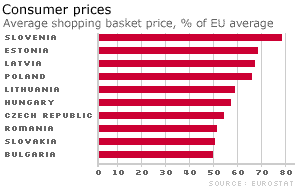 At least 90% of the goods sold in East European Tescos are sourced locally, and managers at the Eger store say shoppers would be lost without the sort of lavish spread of salamis they are used to at farmers' markets. "Just because people are increasingly shopping the same way doesn't mean than there is any harmonisation of lifestyle," says Akos Kozak. "The mentality remains Hungarian - that won't change." | |
See also:  10 Oct 02 | Business 10 Jul 02 | Business 30 Jan 02 | Business Internet links: The BBC is not responsible for the content of external internet sites Top Business stories now: Links to more Business stories are at the foot of the page. | ||||||||||||||||||||||||||||||||||||||||||||||||||||||||||||||||||||||||||||||||||||||||||||||||||||||||||||||||||||||||||||||||||||||||||||||||||||||||||||||||||||||||||||||||||||||||||||||||||||
| |
|  E-mail this story to a friend E-mail this story to a friend |
| |
| Links to more Business stories |
| | | ||
 | ||||
 | | Back to top
| ||
| ---------------------------------------------------------------------------------- To BBC Sport>> | To BBC Weather>> | To BBC World Service>> ---------------------------------------------------------------------------------- © MMIII | News Sources | Privacy |