|
 |
 | | | | | | ||||||||||||||||||||||||||||||||||||||||||||||||||||||||||||||||||||||||||||||||||||||||||||||||||||||||||||||||||||||||||||||||||||||||||||||||||||||||||||||||||||||||||||||||||||||||||||||||||||||
| | | You are in: Business | ||||||||||||||||||||||||||||||||||||||||||||||||||||||||||||||||||||||||||||||||||||||||||||||||||||||||||||||||||||||||||||||||||||||||||||||||||||||||||||||||||||||||||||||||||||||||||||||||||||||||
|
| | Tuesday, 3 December, 2002, 05:27 GMT Down on the farm 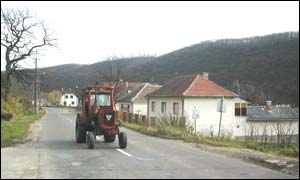 East European farming still moves at a placid pace
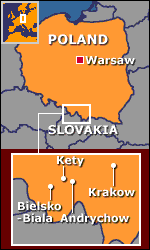
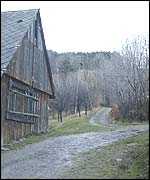
 On the face of it, Poland's Beskidy Maly mountains, tucked between Krakow and the Slovak border, scarcely look like a threat to European stability.
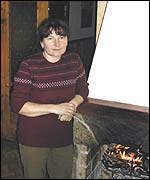
The Fraszczaks don't produce a great deal from their dozen organic acres - a few potatoes, some fruit, the odd litre of milk - but they eke out their income with a stream of paying guests, who come from all over Europe and beyond to sample rural life at its simplest. But Brussels is not beguiled by such bucolic bliss. As EU enlargement looms, officials are increasingly concerned about how to accommodate the Fraszczaks and millions of other small East European farmers in the continent's agricultural machine. Small, not beautiful The problem with Poland - and, to a somewhat lesser extent, with its East European neighbours - is that its farming sector bears little resemblance to what the West is used to.
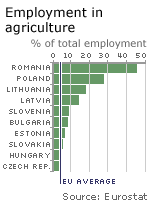
Some 1.6 million of Poland's 2.5 million registered farmers work on less than 20 acres, a plot of land seen as barely viable for a West European farmer. The result of this is feeble productivity: although farming employs almost one in three Poles, it accounts for less than 5% of national economic output. Money worries For years now, Brussels bureaucrats have been aware that this sort of thing could never be shoehorned into the Common Agricultural Policy, which showers subsidies on farmers in poorer regions.
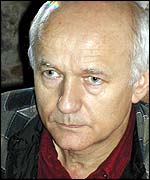
So far, EU member states have agreed a compromise deal, under which new members will be allowed a small but growing proportion of total farm payments, rising only to parity with the West when the CAP is finally abolished in 2013. This compromise, predictably, has pleased few, east or west; in Poland, farmers fume at being forced onto an uneven playing field for far longer than anyone ever anticipated. Fake farmers The trickier question, however, is how much and what sort of help East European farmers will need to make them profitable in the long run. Czeslaw Nowak, a professor at the Agricultural University of Krakow, argues that a certain measure of cruelty is inevitable if the sector is to be revived.
"The figures say that 28% of Poles are farmers, but in fact, less than half of them ever produce anything for the market." Some 50% of Polish farmers produce only for themselves and their families, and 3% produce nothing at all, Dr Nowak says.
"It makes no more sense to call these people farmers than to call them restaurant owners because they make the occasional cup of tea." Brutal honesty The ranks of Poland's fake farmers are swelled by tax law.
"If the government introduced a more realistic definition of what a farmer actually is, the country's agricultural sector would not seem half so inefficient," says Dr Nowak. "But politicians won't admit it, because then official unemployment would rise by a million or more." Poland already has some 3.2 million people out of work, one of the highest levels among the EU candidate countries. Trade, not aid Dr Nowak hopes that the government will not simply channel subsidies to Polish farmers.
EU structural funds - money earmarked for infrastructure projects in poorer countries - should be poured into improving rural Poland's ropey roads and almost non-existent telecoms network. On the Andrychow mountain, meanwhile, the Fraszczaks are not exactly panting for government hand-outs. "We don't ask anything from the government," says Irena. "We let them do their business, and hope they leave us alone to do ours." | |
See also:  25 Oct 02 | Business 22 Aug 02 | Europe 22 Jul 02 | Europe 10 Jul 02 | Europe 29 Jun 02 | From Our Own Correspondent 21 Mar 02 | Europe 30 Oct 02 | Country profiles Internet links: The BBC is not responsible for the content of external internet sites Top Business stories now: Links to more Business stories are at the foot of the page. | ||||||||||||||||||||||||||||||||||||||||||||||||||||||||||||||||||||||||||||||||||||||||||||||||||||||||||||||||||||||||||||||||||||||||||||||||||||||||||||||||||||||||||||||||||||||||||||||||||||||
| |
|  E-mail this story to a friend E-mail this story to a friend |
| |
| Links to more Business stories |
| | | ||
 | ||||
 | | Back to top
| ||
| ---------------------------------------------------------------------------------- To BBC Sport>> | To BBC Weather>> | To BBC World Service>> ---------------------------------------------------------------------------------- © MMIII | News Sources | Privacy |