|
 |
 | | | | | | |||||||||||||||||||||||||||||||||||||||||||||||||||||||||||||||||||||||||||||||||||||||||||||||||||||||||||||||||||||||||||||||||||||||||||||||||||||||||||||||||||||||||||||||||||||||||||||||||
| | | You are in: Europe | |||||||||||||||||||||||||||||||||||||||||||||||||||||||||||||||||||||||||||||||||||||||||||||||||||||||||||||||||||||||||||||||||||||||||||||||||||||||||||||||||||||||||||||||||||||||||||||||||||
|
| | Wednesday, 11 December, 2002, 03:53 GMT Historic deal leaves no stone unturned 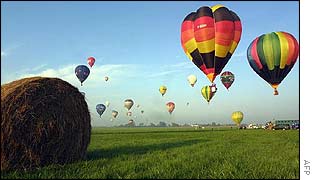 National cultures resist the grey hand of uniformity
"Unity in diversity" is the European Union's little-known official motto.
Bird-catchers in Malta, fishermen in Latvia and gypsy chefs in the Czech Republic are among those who have had to fight to keep their traditions. EU regulations occasionally have unfortunate side-effects when applied too rigorously, so the guardians of national traditions have been keeping a sharp look-out for levelling, harmonising tendencies. Goulash rules Polish food-producers (whose produce already adorns the shelves of West European delicatessens) fear that the distinctive taste of their home-grown foodstuffs will be sacrificed to over-stringent health standards, resulting in bland, pan-European food.
In the Czech Republic, for example, traditional gypsy goulash is allowed to stand overnight, to improve the flavour. This runs foul of EU food safety regulations forbidding the preparation of food more than three hours in advance. The rule in fact applies only to canteens and hospitals, but in some places restaurateurs have been told to comply. Sprat lovers' success The potential clash of local custom with Brussels injunction has meant that hours of negotiation has been spent not only on the monumental questions of farm subsidies and transitional payments (problems which may be picked over until the final moments of the Copenhagen summit), but also on some bizarre trivialities.
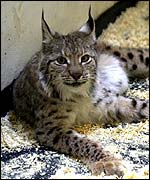
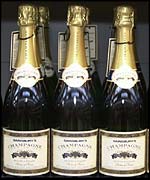
Baltic sprat-lovers won the right to catch undersize herrings, and Latvians will be allowed to preserve their "ancient practice" of hunting for lynx - but only up to 50 a year. The EU had originally wanted to ban lynx hunting. Protecting national specialities from being copied was as much of a concern to the new members as was protecting the right to continue with practices banned elsewhere in the EU. Thus the Hungarians won the exclusive right to call their cherry, plum and apricot brandy "Palinka" - just as the French have the exclusive right to the word "champagne" - dashing the hopes of all those would-be Palinka-counterfeiters around Europe.
Such is the stuff treaties are made of, and now, after four years of haggling, deals have been struck to balance the needs of the most fastidious traditional manufacturer and the most over-zealous bureaucrat. Whisky quota A few little details remain to be tied up. Scotch whisky producers, rather late in the day, have just demanded that Poland's accession be blocked unless it renounces import tariffs and quotas which make it harder for Scotland's national drink to compete with Poland's, vodka. "It would be a disservice to Polish consumers," the Scotch Whisky Association selflessly argued, "and destabilising for the entire EU single market if Poland were, at the last minute, allowed to retain a tariff and quota regime that has already protected domestic producers for too long." Could this be the fly in the ointment that prevents EU enlargement? Thankfully, probably not. | |
Top Europe stories now:  Links to more Europe stories are at the foot of the page. | |||||||||||||||||||||||||||||||||||||||||||||||||||||||||||||||||||||||||||||||||||||||||||||||||||||||||||||||||||||||||||||||||||||||||||||||||||||||||||||||||||||||||||||||||||||||||||||||||
| |
|  E-mail this story to a friend E-mail this story to a friend |
| |
| Links to more Europe stories |
| | | ||
 | ||||
 | | Back to top
| ||
| ---------------------------------------------------------------------------------- To BBC Sport>> | To BBC Weather>> | To BBC World Service>> ---------------------------------------------------------------------------------- © MMIII | News Sources | Privacy |






 Hours of negotiation have been spent not only on monumental questions, but on bizarre trivialities