|
 |
 | | | | | | ||||||||||||||||||||||||||||||||||||||||||||||||||||||||||||||||||||||||||||||||||||||||||||||||||||||||||||||||||||||||||||||||||||||||||||||||||||||||||||||||||||||||||||||||||||||||||||||||
| | | You are in: Europe | ||||||||||||||||||||||||||||||||||||||||||||||||||||||||||||||||||||||||||||||||||||||||||||||||||||||||||||||||||||||||||||||||||||||||||||||||||||||||||||||||||||||||||||||||||||||||||||||||||
|
| | Friday, 11 October, 2002, 14:40 GMT 15:40 UK Rural Ireland divided on Nice Treaty 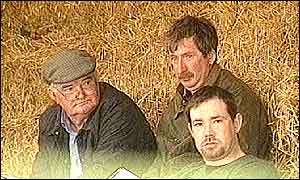 Farmers fear the loss of subsidies
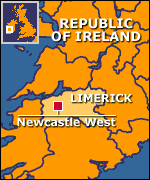
The first time Ireland voted on the Nice Treaty, in June 2001, Limerick West went the way of the country: turn-out was poor, and a majority of those who did vote said No to the treaty.
At a cattle mart deep in the lush Limerick countryside, farmers were contemplating stock prices more than the intricacies of the Nice Treaty. But there were strong opinions on the referendum, too. Virtually all sides would agree that Ireland has done well from its three decades of European membership. Fears Many farmers now fear that enlargement will mean valuable subsidies going elsewhere to help poorer countries joining the EU. Watching the mart were Mike Cregan and Seamus Mullane, both local farmers, friends but with different views of the vote on 19 October.
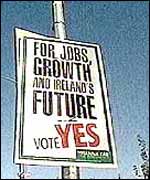
He thinks, it is Ireland's duty to bring in new nations to reap the sort of benefits of European membership which his country has enjoyed. Mr Mullane voted No last June and is considering doing the same again. He worries about the impact of enlargement on Irish farming. He says life in the current agricultural climate is difficult enough as it is without such changes. Discontent The biggest town in this constituency is Newcastle West, with a population of 4,000 people. In the town square and along main roads, campaign posters invite voters to support the Yes and the No camps. A member of the Irish parliament (TD), as well as a local councillor, John Cregan, has a worried look: his party leader, Bertie Ahern, is having a tough time of it.
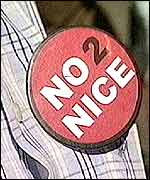
The worry for the Yes campaign is that voters may look forward to the chance to teach the Government, led by Mr Ahern's Fianna Fail party, a real lesson on 19 October. John Cregan tells me he thinks another No vote would tarnish Ireland's image abroad, and possibly damage it economically as a result. If last year's No vote surprised the rest of Europe, it came as a humiliation for Ireland's political leaders. But Bertie Ahern's government wouldn't take No for an answer. Now the combined muscle of the biggest political parties, business groups and trades unions are campaigning hard for a Yes vote, with their combined political and financial clout. Close vote The No camp, by contrast, have no big names or big money behind them. They are a broad political mix, people who have joined forces for the referendum to fight what they see as a treaty which will diminish Ireland's influence and independence. Handing out leaflets to passers-by and wearing a large badge proclaiming "No to Nice", Thomas O'Donovan says he is getting a good reception from people he speaks to. He believes a Yes vote would leave Ireland with less of a voice in the institutions of the EU, and thinks Irish sovereignty is being eroded by Brussels. The No side utilise other emotive themes too: they say that Ireland's cherished military neutrality is under threat, although the Yes side deny this. In Limerick West, at least, you get the sense that people are grappling with complex issues; that this matters. A country that has reaped the benefits of EU membership is now re-assessing its view of the European project. All the signs are that the result will be close. Meanwhile the nations hoping to join up must watch and wait for Ireland to decide. | |
See also:  10 Oct 02 | Europe 08 Oct 02 | Europe 27 Sep 02 | Europe 23 Sep 02 | Europe Top Europe stories now: Links to more Europe stories are at the foot of the page. | ||||||||||||||||||||||||||||||||||||||||||||||||||||||||||||||||||||||||||||||||||||||||||||||||||||||||||||||||||||||||||||||||||||||||||||||||||||||||||||||||||||||||||||||||||||||||||||||||
| |
|  E-mail this story to a friend E-mail this story to a friend |
| |
| Links to more Europe stories |
| | | ||
 | ||||
 | | Back to top
| ||
| ---------------------------------------------------------------------------------- To BBC Sport>> | To BBC Weather>> | To BBC World Service>> ---------------------------------------------------------------------------------- © MMIII | News Sources | Privacy |