|
 |
 | | | | | | ||||||||||||||||||||||||||||||||||||||||||||||||||||||||||||||||||||||||||||||||||||||||||||||||||||||||||||||||||||||||||||||||||||||||||||||||||||||||||||||||||||||||||||||||||||||||||||||||||||||||||
| | | You are in: Asia-Pacific | ||||||||||||||||||||||||||||||||||||||||||||||||||||||||||||||||||||||||||||||||||||||||||||||||||||||||||||||||||||||||||||||||||||||||||||||||||||||||||||||||||||||||||||||||||||||||||||||||||||||||||||
|
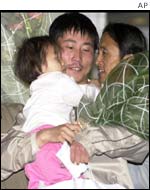
| | Monday, 10 June, 2002, 09:05 GMT 10:05 UK More N Koreans seek embassy refuge Beijing has tried to stem the tide of N Korean refugees Five North Koreans have entered diplomatic missions in Beijing over the weekend - the latest in a string of attempts by North Korean asylum seekers to flee to South Korea. Three of them, including a toddler, managed to enter the South Korean consulate in Beijing on Sunday, while another two entered the Canadian embassy on Saturday night, it was reported on Monday.
Over the last three months, at least 38 North Koreans have been allowed to go to South Korea after taking refuge in foreign embassies in Beijing. But the Chinese Government is taking a much tougher line on refugees who have sought asylum at the South Korean embassy - perhaps fearing a strong reaction from the North Korean Government. Negotiations The Canadians say they are negotiating for the two men who climbed into their embassy to be allowed to leave China. But officials at the South Korean embassy, sheltering two women, aged 24 and 28, and a two-year-old boy, are much less optimistic. "Only God knows" when the eight North Koreans now sheltering in the South Korean mission will be allowed to leave, said a South Korean official. China has in the past demanded the handover of North Koreans seeking refuge in South Korea's consulate, but Seoul has said the asylum seekers should have the final say on where they are sent. China has a treaty with its ally North Korea which requires it to send them back to the hard-line Communist state. But in recent, high-profile cases, China has preferred to let asylum seekers travel to Seoul via third countries. Diplomatically sensitive However correspondents say this latest case is particularly complicated because it will pressure China into choosing whether to offend North or South Korea.
The last known case where a North Korean sought asylum in the South having entered a South Korean mission in China was in 1997. That case, which involved North Korea's top Communist theorist and party secretary Hwang Jang-yop, took seven weeks of negotiating before he was allowed to travel to Seoul. In recent years, tens of thousands of North Koreans have fled famine and repression to live in China. Beijing has tried to stem the tide by increasing security around embassies and consulates, ringing the compounds with barbed wire and posting additional guards. | |
See also:  28 May 02 | Asia-Pacific 25 May 02 | Asia-Pacific 18 May 02 | From Our Own Correspondent 13 May 02 | Asia-Pacific Internet links: The BBC is not responsible for the content of external internet sites Top Asia-Pacific stories now: Links to more Asia-Pacific stories are at the foot of the page. | ||||||||||||||||||||||||||||||||||||||||||||||||||||||||||||||||||||||||||||||||||||||||||||||||||||||||||||||||||||||||||||||||||||||||||||||||||||||||||||||||||||||||||||||||||||||||||||||||||||||||||
| |
|  E-mail this story to a friend E-mail this story to a friend |
| |
| Links to more Asia-Pacific stories |
| | | ||
 | ||||
 | | Back to top
| ||
| ---------------------------------------------------------------------------------- To BBC Sport>> | To BBC Weather>> | To BBC World Service>> ---------------------------------------------------------------------------------- © MMIII | News Sources | Privacy |