
|
 |
 | | | | | | |||||||||||||||||||||||||||||||||||||||||||||||||||||||||||||||||||||||||||||||||||||||||||||||||||||||||||||||||||||||||||||||||||||||||||||||||||||||||||||||||||||||||||||||||||
| | | You are in: Asia-Pacific | |||||||||||||||||||||||||||||||||||||||||||||||||||||||||||||||||||||||||||||||||||||||||||||||||||||||||||||||||||||||||||||||||||||||||||||||||||||||||||||||||||||||||||||||||||||
|
| | Friday, 10 January, 2003, 15:58 GMT Analysis: Crisis replay?  A 1993 nuclear stand-off raised fears of war
But it is a diplomatic crisis we have been through before. In March 1993, faced with accusations it had been cheating of its NPT commitments, North Korea announced it was withdrawing from the treaty.
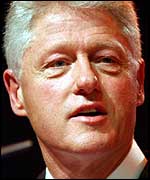
But on that occasion a crisis was averted. Following talks with the US, North Korea announced it was suspending its decision to leave the NPT. But will that be the outcome this time? Can we expect another showdown, and then another diplomatic solution? World shift Analysts point out that much has changed in the last 10 years. In 1993, then US President Bill Clinton's Democratic administration supported engagement with the North, though Mr Clinton has subsequently said the US was also prepared for war. Negotiations between the two sides not only staved off a nuclear crisis, but led to the only ever treaty between Washington and Pyongyang - the 1994 Agreed Framework.
"The US administration is... ideologically less willing to deal with North Korea... unwilling to deal with rogue states, unwilling to give concessions in recognition of good behaviour," Tat Yan Kong, lecturer at the School of Oriental and African Studies (SOAS) told BBC News Online. Gary Samore, of the International Institute for Strategic Studies, stressed that "Bush truly feels it is an evil regime," and is "reluctant to... help to sustain this government". Allies weaken But how much support does Washington have in the region for this approach? China and Russia are North Korea's closest allies. But, according to Marcus Noland, of the International Institute for Economics, these countries' sympathy for Pyongyang is fading. "While not firmly in the US camp at this point, (they) are considerably less sympathetic towards North Korea now than they were," he told the BBC. Meanwhile, South Korea has warmed considerably to the North over the last 10 years.
Given South Korea's increased diplomatic relevance, the US has to be seen to be taking its ally's more conciliatory approach seriously. Familiar scenario Despite these regional shifts and changes, the fundamentals of the crisis are strikingly familiar. North Korea is still an unpredictable state facing economic ruin, and it still has a million-strong army and thousands of artillery pieces trained on the South Korean capital Seoul. Pyongyang's use of the nuclear card is also not surprising, since it is one of the few ways it can influence the outside world. Mr Samore said Pyongyang's recent moves were simply an "effort to repeat the 93-4 crisis... to force the US to negotiate", in order to secure aid. The US has so far said it will not negotiate with North Korea. But it appears to have little choice, since analysts agree a military response is out of the question. "Despite the US rhetoric, it has no military option in North Korea," said Asia specialist Jim Foley, at Sheffield University. "There is no way they can militarily solve this problem," he said. He said the following factors ruled this out:
There were therefore two options for the US, Mr Foley said. The first one - to isolate and contain North Korea - had no support from the US' regional allies. The more likely option was engagement, he concluded. Saving face But Mr Samore stressed that Washington has backed itself into a corner by repeatedly stating that it refuses to negotiate directly with North Korea. It therefore may choose to "save face" by employing a diplomatic device such as it did in 1993, when it argued that a UN Security Council resolution obliged it to negotiate. If the US does explore negotiations, analysts agree that they will use them, not necessarily as a means of progressing relations, so much as a vehicle to freeze North Korea's current nuclear abilities. Mr Foley admitted that there is little support for such engagement within Congress, especially as North Korea is already seen to have reneged on the 1994 deal. But "if anything, (the current US administration) is supposed to be pragmatic, and they'll just have to bite the bullet and get round the table", he said. | |
See also:  10 Jan 03 | Asia-Pacific 10 Jan 03 | Asia-Pacific 09 Jan 03 | Asia-Pacific 08 Jan 03 | Asia-Pacific 07 Jan 03 | Media reports 07 Jan 03 | Asia-Pacific 08 Jan 03 | Asia-Pacific 13 Dec 02 | Asia-Pacific Top Asia-Pacific stories now: Links to more Asia-Pacific stories are at the foot of the page. | |||||||||||||||||||||||||||||||||||||||||||||||||||||||||||||||||||||||||||||||||||||||||||||||||||||||||||||||||||||||||||||||||||||||||||||||||||||||||||||||||||||||||||||||||||
 | |
|  E-mail this story to a friend E-mail this story to a friend |
| |
| Links to more Asia-Pacific stories |
| | | ||
 | ||||
 | | Back to top
| ||
| ---------------------------------------------------------------------------------- To BBC Sport>> | To BBC Weather>> | To BBC World Service>> ---------------------------------------------------------------------------------- © MMIII | News Sources | Privacy |






 Bush truly feels it is an evil regime


