|
 |
 | | | | | | |||||||||||||||||||||||||||||||||||||||||||||||||||||||||||||||||||||||||||||||||||||||||||||||||||||||||||||||||||||||||||||||||||||||||||||||||||||||||||||||||||||||||||||||||||||||
| | | You are in: Asia-Pacific | |||||||||||||||||||||||||||||||||||||||||||||||||||||||||||||||||||||||||||||||||||||||||||||||||||||||||||||||||||||||||||||||||||||||||||||||||||||||||||||||||||||||||||||||||||||||||
|
| | Monday, 27 May, 2002, 00:13 GMT 01:13 UK Korean defectors learn basics North Koreans arriving in Seoul still face a rough ride
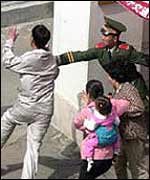
There is tight security here: barbed wire, security guards and cameras are the most obvious signs. There is a good reason for this - the threat of kidnap, or personal attacks against individual North Koreans, is ever-present, despite improved ties between the two nations. Even when they leave the centre, defectors are placed under special protection for five years. Usually, a district police officer visits the defector or a family on a regular basis. Squeeze on places Hanawon opened in 1999 - and can accommodate around 200 inmates. But as the number of North Korean defectors has roughly doubled each year in recent years, the centre is operating at full capacity.
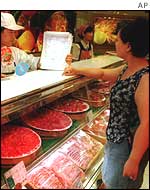
The government is planning to extend the centre this year, doubling its size. The squeeze for places means that the resettlement programme has been cut from three months to two months. But what awaits them when they arrive? "The defectors have no knowledge of living in a capitalist society," said a spokesman at South Korea's Unification Ministry. Capitalist skills "They learn things like how to use a bank, how to buy things at the market - things that would be very basic to those who've been living in the South," said the official.
"Things that most South Koreans take for granted - like using washing machines or remote controls, and mobile phones - are new skills for most North Koreans." Language should not be a problem - both nations speak Korean. But defectors find they have to learn a new set of words when they arrive in the South - where Americanisms, slang and other Western phrases pepper conversations. They are also given other training - learning some skills that may help them find a job when they leave, such as learning to drive a car. Unfamiliar world Twenty-nine-year old Kim Min-hui - not her real name - arrived in South Korea nine months ago. She attended classes at Hanawon especially designed for women - such as cookery, and attending make-up classes. She also learnt how to use a computer for the first time. "When I first arrived, there were nearly 20 computers working. But when I graduated, only about two worked.
"The students were so unfamiliar with them - and they often made a glitch - which made the computer malfunction." But since she left Hanawon, she has found it difficult to adjust to life in the South. "Everything here is so different from the North - the social structure and the environment. "Of course, I have never regretted leaving the North; and I appreciate the attention and financial support I've received, both from the government and by private donors." Another defector, Lee Sung-ryong, remembers attending classes to learn about South Korean history, politics and economy. "We also had lectures on words borrowed from English. We were taught how to use a cash machine and how to open a bank account," he recalls. "It was completely new to me because in the North, virtually no-one uses a bank." Communication problems The 34-year-old has lived in the South for the past two years and works at a big shopping store. But despite his apparent adjustment, he still has difficulties. "Sometimes, believe it or not, I still have difficulties in understanding people's daily conversations," he says. "I try to listen very carefully - but the pronounciation and intonation are totally different. "Although I'm confronting many problems, generated by the social gap, I'm happy with my life and trying to make my life better, remembering the proverb, 'when you are in Rome, do as Romans do'." Another former inmate at Hanawon, 50-year-old Choi Sung, a former official working at a food factory in the North, remembers the difficult transition he faced when he left. "What embarrassed me when I first came out of Hanawon was how to get off the bus. In North Korea, passengers get on and off the bus at the same time. "But I failed to press the button to give a signal to the bus driver and I passed the stop that I'd wanted," said Mr Choi. The course is not mandatory, but most North Korean arrivals choose to take part - wanting as much help as possible to adjust to a radically different life. Field trips are organised, taking the arrivals to markets, banks, and supermarkets. Reality check They go on sightseeing tours - which also take in the run-down and seedy parts of cities. "The idea is that we show them the good and bad sides of our society," said an official at the Unification Ministry. "South Korea isn't a total paradise - and they should be aware of the reality; not just see things from a very narrow point of view." But the training at Hanawon still does not prepare many for the shock of having to cope on their own when they graduate. Overwhelming freedom Having lived in a country where they have little personal freedom, the transition can be overwhelming.
One of the biggest problems is unemployment. As many as 50% of defectors have no job, or only part-time work. Many quit their jobs, unable to cope with the competitive atmosphere in the workplace. Recently, new programmes are being organised for defectors who have been unemployed for more than a year. One programme, run by a support group for former defectors, helps people with the basics: writing resumes, preparing for interviews, and accessing job opportunities. Other defectors complain of bias and discrimination - feeling that many South Koreans regard them as second class citizens. "If people heard my North Korean accent, I'd be overcharged at markets, and taxi drivers would treat me very badly," said one former defector, who now works in an insurance company. "Now I try very hard to show that I'm not from the North. That's how I've learned to adjust to South Korean society." | |
See also:  25 May 02 | Asia-Pacific 23 May 02 | Asia-Pacific 13 May 02 | Asia-Pacific 14 May 02 | Asia-Pacific 09 May 02 | Asia-Pacific 14 Mar 02 | Asia-Pacific 26 Jun 01 | Asia-Pacific 03 Jan 02 | Asia-Pacific Top Asia-Pacific stories now: Links to more Asia-Pacific stories are at the foot of the page. | |||||||||||||||||||||||||||||||||||||||||||||||||||||||||||||||||||||||||||||||||||||||||||||||||||||||||||||||||||||||||||||||||||||||||||||||||||||||||||||||||||||||||||||||||||||||
| |
|  E-mail this story to a friend E-mail this story to a friend |
| |
| Links to more Asia-Pacific stories |
| | | ||
 | ||||
 | | Back to top
| ||
| ---------------------------------------------------------------------------------- To BBC Sport>> | To BBC Weather>> | To BBC World Service>> ---------------------------------------------------------------------------------- © MMIII | News Sources | Privacy |