|
 |
 | | | | | | ||||||||||||||||||||||||||||||||||||||||||||||||||||||||||||||||||||||||||||||||||||||||||||||||||||||||||||||||||||||||||||||||||||||||||||||||||||||||||||||||||||||||||
| | | You are in: Asia-Pacific | ||||||||||||||||||||||||||||||||||||||||||||||||||||||||||||||||||||||||||||||||||||||||||||||||||||||||||||||||||||||||||||||||||||||||||||||||||||||||||||||||||||||||||||
|
| | Monday, 27 May, 2002, 06:41 GMT 07:41 UK Talks due on Korean asylum seekers China has beefed up its security measures in Beijing Chinese and South Korean diplomats are expected to meet on Monday to discuss the fate of three North Koreans who took refuge in the South Korean consulate in Beijing last week. A South Korean diplomat said it was unclear if China would let the three leave for Seoul. "They want to go to South Korea... but this case is a little different from those involving other countries," he told Reuters news agency.
But there has been a string of high-profile cases recently where North Koreans have successfully sought refuge in foreign offices. China has let these people leave for Seoul via third countries. Correspondents say the latest case is more complicated because it will pressure China into choosing whether to offend North or South Korea. The last known case where a North Korean sought asylum in the south having entered a South Korean mission in China was in 1997. Latest cases In the latest case, one man entered the embassy on Thursday, while a man and woman who appeared to be a couple rushed in past guards on Friday.
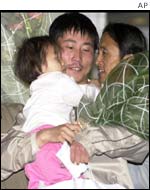
It brings to more than 40 the number of North Koreans who have sought refuge at foreign diplomatic missions in China in the past three months. Last week, five North Korean asylum-seekers arrived in South Korea after being held in custody in China for two weeks. They had attempted to enter the Japanese consulate before being arrested, and the case caused a diplomatic row between Beijing and Tokyo. Tens of thousands of North Koreans have fled famine and repression to live in China. Many then attempt to apply for asylum in foreign diplomatic offices. China has a treaty with its ally North Korea, under which it is required to return all illegal refugees to the hard-line communist state. But Beijing has been unwilling to do so, apparently out of concern that sending them home would harm its international reputation. In recent months, China has increased security around embassies and consulates to thwart further asylum attempts, ringing the compounds with barbed wire and posting additional guards. But North Korean refugees seem determined to keep trying to enter the diplomatic missions. | |
See also:  25 May 02 | Asia-Pacific 18 May 02 | From Our Own Correspondent 13 May 02 | Asia-Pacific Internet links: The BBC is not responsible for the content of external internet sites Top Asia-Pacific stories now: Links to more Asia-Pacific stories are at the foot of the page. | ||||||||||||||||||||||||||||||||||||||||||||||||||||||||||||||||||||||||||||||||||||||||||||||||||||||||||||||||||||||||||||||||||||||||||||||||||||||||||||||||||||||||||
| |
| Links to more Asia-Pacific stories |
| | | ||
 | ||||
 | | Back to top
| ||
| ---------------------------------------------------------------------------------- To BBC Sport>> | To BBC Weather>> | To BBC World Service>> ---------------------------------------------------------------------------------- © MMIII | News Sources | Privacy |