|
 |
 | | | | | | ||||||||||||||||||||||||||||||||||||||||||||||||||||||||||||||||||||||||||||||||||||||||||||||||||||||||||||||||||||||||||||||||||||||||||||||||||||||||||||||||||||||||||||||||||||||||||||||||||||||||||||||||||||||||||||||
| | | You are in: Africa | ||||||||||||||||||||||||||||||||||||||||||||||||||||||||||||||||||||||||||||||||||||||||||||||||||||||||||||||||||||||||||||||||||||||||||||||||||||||||||||||||||||||||||||||||||||||||||||||||||||||||||||||||||||||||||||||||
|
| | Wednesday, 5 June, 2002, 15:55 GMT 16:55 UK Zambia hit by Aids and famine The government has declared a national disaster
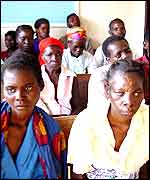
"We cannot compare this year with any year that has come before it," says Alexander Kasenzi of Harvest Help Zambia, the organisation which is helping to distribute the food by boat. "People have nothing in reserve this time." 'Anxious and hungry' We came ashore at the tiny village of Henga. About 200 people had come down to the water's edge to meet us. They crowded round us, anxious and hungry. Everybody wanted to get their hands on the bags of maize, and as these started to be unloaded, the villagers were pushing and shoving amongst themselves.
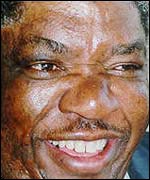
A fight broke out, but the village chief quickly restored order. An old woman told me that all her crops had wilted, and that now she was reduced to looking for wild fruits from trees. The Zambian Government has declared a national disaster following the failure of the recent harvest, and has asked for urgent international assistance to feed four million people. Zambia's Southern Province, which includes Lake Kariba, is worst affected. Rainfall this year was highly erratic - the maize crop was an almost total failure. Aids "We can still avert a calamity," says Zambia's President Levy Mwanawasa. "The real danger period is two or three months from now when the current harvest will be exhausted." But many Zambians complain their government could have seen this crisis coming, and should have been better prepared. President Mwanawasa has only been in power since the beginning of this year, but he suggests agriculture could have been given more attention by his predecessor, Frederick Chiluba. "All I can say is that had effective policies been put in place I don't understand why we should be having these shortages." Zambia is not yet experiencing a famine. But as the food shortages bite, Zambian society is under increasing strain. It is those who are already weak who are most vulnerable.
One in five adult Zambians is thought to be HIV positive. Alexander Kasenzi says villagers are less and less able to help the sick people in their midst. "In a situation like now, where there is generally food shortages, the extended family system breaks down and it becomes a question of survival of the fittest." John has lived with Aids for five years in a village in southern Zambia which has been severely affected by drought. His eyes are horribly infected, and his body is covered in sores. John is too weak to work the dusty fields around his hut, and has no regular source of income. I asked him whether friends or neighbours were able to help him with gifts of food. "They want to be paid now, and how can I pay them?," he asks. So what are his worries about the immediate future for him and his wife in the coming months? His reply was chillingly blunt: "We are going to die, unless you can help us, we are going to die." | |
See also:  30 May 02 | Africa 29 May 02 | Business 29 May 02 | Africa 23 May 02 | Africa 06 Mar 02 | Africa 19 Feb 02 | Africa 12 Feb 02 | Africa 07 Mar 02 | Country profiles Internet links: The BBC is not responsible for the content of external internet sites Top Africa stories now: Links to more Africa stories are at the foot of the page. | ||||||||||||||||||||||||||||||||||||||||||||||||||||||||||||||||||||||||||||||||||||||||||||||||||||||||||||||||||||||||||||||||||||||||||||||||||||||||||||||||||||||||||||||||||||||||||||||||||||||||||||||||||||||||||||||
| |
|  E-mail this story to a friend E-mail this story to a friend |
| |
| Links to more Africa stories |
| | | ||
 | ||||
 | | Back to top
| ||
| ---------------------------------------------------------------------------------- To BBC Sport>> | To BBC Weather>> | To BBC World Service>> ---------------------------------------------------------------------------------- © MMIII | News Sources | Privacy |