|
 |
 | | | | | | ||||||||||||||||||||||||||||||||||||||||||||||||||||||||||||||||||||||||||||||||||||||||||||||||||||||||||||||||||||||||||||||||||||||||||||||||||||||||||||||||||||||||||||||||||||||||||||||||||
| | | You are in: Africa | ||||||||||||||||||||||||||||||||||||||||||||||||||||||||||||||||||||||||||||||||||||||||||||||||||||||||||||||||||||||||||||||||||||||||||||||||||||||||||||||||||||||||||||||||||||||||||||||||||||
|
| | Wednesday, 5 June, 2002, 12:43 GMT 13:43 UK Southern African famine: What went wrong? 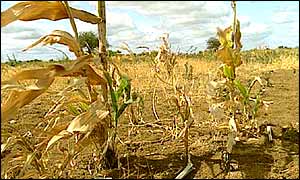 A cocktail of factors is blamed for current famine
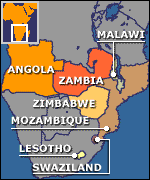
Both floods and drought are being blamed for food shortages that could affect up to 15 million people in six countries across southern Africa. But politics is also at play in the grim theatre of disasters in the region.
Angola is also badly affected after decades of civil war. But aid workers also blame other factors. They say in Zimbabwe politics took a hand, with land seizures disrupting the commercial farms that normally turn in most of the food crop. In Malawi, the situation has been made worse by the selling off of its grain surplus last year after a bumper harvest in 2000. And in Angola, Unita soldiers have been starving in demobilisation camps, putting the ceasefire agreement at risk. 'Policy failure' "There are many other factors causing famine in these countries, including environmental problems and the climate," ActionAid's spokesperson, Jane Moyo, told BBC News Online.
"But the bottom line is that famine is always a policy failure." Other countries in the region which are likely to face famine include Mozambique, Lesotho and the Democratic Republic of Congo. The World Food Programme (WFP), which is spearheading efforts to provide food aid in the regions, says other underlying factors have also undermined the region's capacity to cope with the food crisis. "There are man-made factors and economic factors that have aggravated the situation in the regions, " says WFP's spokesperson, Brenda Barton, in Nairobi. "Even without drought or floods, the region had already been devastated by HIV/Aids. "The collapse of mining industries in the region has had a severe impact on the economies of these countries. "And most of these countries lack foreign exchange to import food." Food gap The crop failure comes on top of two bad seasons across the region which had left the level of maize stocks too low to offset the current shortfall. About four million tonnes will have to be imported from outside the region to fill the food gap, according to the Famine Early Warning System Network (FEWS). Aid workers say the combination of low stock levels and low production has led to higher prices for maize in the region and this could further aggravate the food crisis. They say the only beneficiary in all this seems to be South Africa where the scramble for its grain by drought-stricken countries is hotting up. The major bidders for South African grain are now Malawi, Zambia and Zimbabwe. A case in point: Zambia outbid Malawi early this year by offering $235 for a tonne of maize against Malawi's $210. | |
See also:  06 Mar 02 | Africa 19 Feb 02 | Africa 27 Feb 02 | Africa 12 Feb 02 | Africa 07 Mar 02 | Country profiles Internet links: The BBC is not responsible for the content of external internet sites Top Africa stories now: Links to more Africa stories are at the foot of the page. | ||||||||||||||||||||||||||||||||||||||||||||||||||||||||||||||||||||||||||||||||||||||||||||||||||||||||||||||||||||||||||||||||||||||||||||||||||||||||||||||||||||||||||||||||||||||||||||||||||
| |
|  E-mail this story to a friend E-mail this story to a friend |
| |
| Links to more Africa stories |
| | | ||
 | ||||
 | | Back to top
| ||
| ---------------------------------------------------------------------------------- To BBC Sport>> | To BBC Weather>> | To BBC World Service>> ---------------------------------------------------------------------------------- © MMIII | News Sources | Privacy |