|
 |
 | | | | | | |||||||||||||||||||||||||||||||||||||||||||||||||||||||||||||||||||||||||||||||||||||||||||||||||||||||||||||||||||||||||||||||||||||||||||||||||||||||||||||||||||||||||||||||||||||||
| | | You are in: Africa | |||||||||||||||||||||||||||||||||||||||||||||||||||||||||||||||||||||||||||||||||||||||||||||||||||||||||||||||||||||||||||||||||||||||||||||||||||||||||||||||||||||||||||||||||||||||||
|
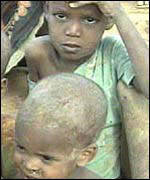
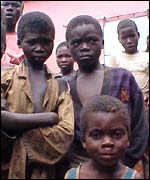
| | Monday, 11 November, 2002, 18:09 GMT Africa's famine: Country by country 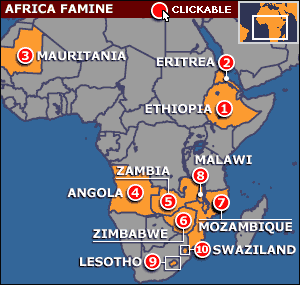 Click on a number on the map for details of the famine in each country. There have been warnings of drought and impending famine for several months, but now the situation is reaching crisis level.
The Ethiopian prime minister has said that although developed countries have not seen the skeletal images of previous famines on the TV screens, this famine is more widespread than the one in 1984 which killed nearly one million Ethiopians. He and the WFP have called on the international community to send substantial food aid immediately to avoid a tragedy. The prolonged drought which is bringing hunger on a vast scale to Ethiopia has also hit its northern neighbour Eritrea with devastating effect. More than a million people are threatened with starvation as Eritrea's last two rainy seasons have failed to produce the necessary water for food crops and livestock. The Eritrean Relief and Refugee Commission estimates that a total of 2.3 million (about two thirds of the entire population) Eritreans will need food aid in what is being described as the worst drought since the 1980s. The WFP says that the cereal harvest this year will meet only 15% of the country's food requirements. In a good year, the figure is 40-50%. In areas near the border with Ethiopia, food production has been hampered by the presence of landmines left over from the border conflict with Ethiopia, which ended two years ago. The UN believes that 400,000 tonnes of food aid will be needed to prevent malnutrition or starvation on a large scale. In West Africa, Mauritania is facing severe food shortages after six poor harvests in a row. The most recent rainy season, from June to August, failed and rural communities dependent on the country's sorghum and maize crops are now in desperate need of food aid. Mauritania is in the arid Sahel region and suffers frequent droughts, but the series of poor harvests is bad even by the region's standards. World Vision, which runs feeding centres in the country, is reporting severe malnutrition in many areas. The government and the WFP have called for international aid but have been disappointed by the slow response. The medical relief organisation Medecins sans Frontieres (MSF) estimates that at least 1.5 million people are suffering from acute malnutrition. The WFP says that it will be feeding 1.9 million people by the end of this year. An estimated 221,000 tonnes of food aid is required to meet the country's needs
The crisis is seen as the direct result of drought, the long civil war and strategies followed by the government and the rebels, which led to an exodus of people from rural areas to the towns. It has been exacerbated by corruption on a massive scale which means that the huge revenues from oil exports do not always find their way into the government treasury. The International Monetary Fund estimates that $900m disappeared in 2001 - three times the value of humanitarian aid supplied this year. The Zambian Government has declared the country's food shortage a national disaster. The charity Christian Aid estimates that 2.3 million people will need food aid by December and that the country could soon run out of food.
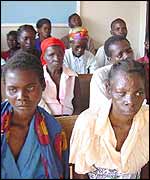
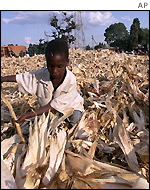
Severe drought has caused total crop failure in the south of the country. Maize production fell by 30% in the 2000/2001 season, meaning there was little in store when this year's crops also failed. The drought has also affected parts of eastern Zambia. A maize shortage of 630,000 tonnes is estimated. President Levy Mwanawasa has reaffirmed that Zambia will not accept food aid containing genetically modified grain. In November aid officials working in a refugee camp housing 125,000 people said they had no non-GM food to give to the refugees after the government rejected donations of GM food. High rates of HIV/Aids mean many people are especially vulnerable to hunger, while thousands of young people who should be working in the fields have died. In September, the Southern African Development Community Regional Early Warning Unit said that Zimbabwe needed more food aid than any other country in the region facing famine. It is estimated that six million people - half the population - are in need of food aid following the combination of poor rains and the adverse effects of the seizure of most white-owned farms. The southern and western regions of Matabeleland and Masvingo are worst hit.
Long queues for maize meal are becoming a common feature in the capital Harare and Bulawayo. Zimbabwe could face a maize deficit of 1.5 million tonnes. Evidence is also emerging that the government and its allies are stopping food aid reaching political opponents. The European Union and the United States have both criticised the government for using political loyalty as a factor in deciding who gets food aid. Initially opposed to importing food aid containing genetically modified material, the government then agreed with the WFP to accept the shipment of genetically modified corn donated by the United States. Zimbabwe will mill the corn before distributing it to ensure it is not planted, he said. Zimbabwe has the highest rates of HIV/Aids of the affected countries. Poverty and high inflation are also causing hunger as an estimated eight million Zimbabweans cannot afford to buy basic foodstuffs - like maize salt, and oil - because of high prices and low incomes. After two years of devastating floods, a prolonged drought is said to have affected an area of 90,000 hectares and about 100,000 households. There have been severe dry spells and drought in the 2001/2002 season in northern Mozambique and heavy rain and floods in southern and central areas. This led to severely reduced harvests and the prospects for next year's harvest is not good, according to the WFP.
The situation is also compounded by sharp rises in price of staple foods and delays in maize deliveries, particularly from South Africa. President Bakili Muluzi declared a state of emergency in February. This is one of the worst affected countries and hundreds of people have already died.
Out of 27 districts, 14 were hit by floods and six others experienced dry spells. Maize production is said to have fallen by 10% since the last year. But the situation has been made worse by the sale of surplus grain in 2001 after a bumper harvest in 2000. Malawi needs 560,000 tonnes of food to avert widespread hunger, according to the International Monetary Fund. The IMF announced in September 2002 that it was providing an emergency loan of $23m to Malawi for the purchase of food. The fund said that Malawi would continue to face food shortages this year because of another poor harvest. HIV/Aids is also taking its toll and in August Malawi suffered a worse than usual outbreak of cholera in which over 1,000 people died. The Malawian Ministry of Health said that 33,000 people had been infected and the results had been more severe because people had been weakened by malnutrition. It has been another poor harvest in this tiny, mountainous country following a second year of severe weather: heavy rainfall, frost, hailstorms and tornadoes. The government declared a state of famine in April. The 2002 harvest is said to be 60% below normal and the Southern African Development Community (SADC) says 650,000, a third of the population, will need emergency food aid by March 2003. Other factors are: the decline in production of Lesotho's major crops; and falling remittance from Basotho workers employed in South African mines because of retrenchment and poverty. Again, HIV/Aids is exacerbating the situation. Erratic weather for a second consecutive year is being blamed for food shortages. According to the UN agencies, production is 18% down on last year's already poor harvest. Crops planted early have escaped the effects of a dry spell. Swaziland normally imports crops from South Africa, even in good years. This year more than 100,000 tonnes of cereal will need to be imported. Two-thirds of Swaziland's population live below the poverty line and prices of maize and wheat have been rising. Aids continues to undermine food security. One third of Swazis are estimated to be HIV positive. There is a growing problem of children orphaned by Aids and unable to fend for themselves. Against the background of the food crisis, poverty and Aids, King Mswati III of Swaziland is to take delivery of a $45 million royal jet, despite the country's parliament voting to cancel the order. MPs and donors have condemned the purchase because of Swaziland's severe food crisis, with about a quarter of the one million population needing food aid after failed harvests. | |
See also:  14 Oct 02 | Africa 27 Sep 02 | Africa 31 May 02 | Africa 06 Mar 02 | Africa Internet links: The BBC is not responsible for the content of external internet sites Top Africa stories now: Links to more Africa stories are at the foot of the page. | |||||||||||||||||||||||||||||||||||||||||||||||||||||||||||||||||||||||||||||||||||||||||||||||||||||||||||||||||||||||||||||||||||||||||||||||||||||||||||||||||||||||||||||||||||||||
 | |
|  E-mail this story to a friend E-mail this story to a friend |
| |
| Links to more Africa stories |
| | | ||
 | ||||
 | | Back to top
| ||
| ---------------------------------------------------------------------------------- To BBC Sport>> | To BBC Weather>> | To BBC World Service>> ---------------------------------------------------------------------------------- © MMIII | News Sources | Privacy |