|
 |
 | | | | | | ||||||||||||||||||||||||||||||||||||||||||||||||||||||||||||||||||||||||||||||||||||||||||||||||||||||||||||||||||||||||||||||||||||||||||||||||||||||||||||||||||||||||||||||||||||||||||||||||||||||||||||
| | | You are in: Asia-Pacific | ||||||||||||||||||||||||||||||||||||||||||||||||||||||||||||||||||||||||||||||||||||||||||||||||||||||||||||||||||||||||||||||||||||||||||||||||||||||||||||||||||||||||||||||||||||||||||||||||||||||||||||||
|
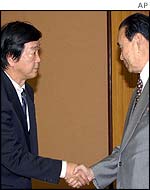
| | Friday, 30 August, 2002, 11:28 GMT 12:28 UK Koizumi's Korean gamble 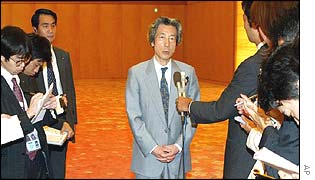 Koizumi has announced he will visit on 17 September Japan and North Korea's prickly relationship is grounded in history. North Korea wants Japan to pay compensation for its often brutal 1910-1945 colonisation of the Korean peninsula. Japan, for its part, accuses North Korean agents of abducting 11 Japanese in the 1970s and 80s and is still angry over Pyongyang's launch of a missile over Japan in August 1998. The two sides have never established diplomatic relations, and North Korea regularly issues angry denunciations of Japan's war record and regional ambitions. So why has Japan's Prime Minister Junichiro Koizumi chosen to visit North Korea and its shadowy leader, Kim Jong-il, now? Pyongyang's prize North Korea has been hinting for several months that it wants to end its diplomatic isolation.
Analysts are divided over whether the North is genuine about engaging with the outside world, or whether Pyongyang is merely using a new tactic to get more aid for its impoverished economy. Either way, North Korea is still believed to have enough material to make one or two nuclear devices, and it has been branded by the US as the world's leading exporter of ballistic missile technology. For Japan, the benefits of normalised relations and regional peace are therefore potentially huge. But the risks for Mr Koizumi are significant too. Expectations for the visit are now high. There are hopes for progress on establishing full diplomatic relations between the two countries. So it would be damaging if the Japanese leader returned home with little to show - a distinct possibility given the Stalinist North's unpredictability and its previous record of reneging on agreements.
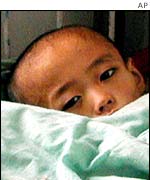
North Korea's crumbling command economy needs aid and foreign capital. There are regular reports from outside the capital Pyongyang of food shortages and people starving. Adam Ward, research fellow for Asia at the International Institute of Strategic Studies in London, points out that Tokyo's cut in aid to North Korea over the past year has had a major impact on the impoverished state. If the countries did establish diplomatic relations, North Korea would expect a significant increase in aid and loans, as enjoyed by South Korea when it normalised ties with Japan in 1965. Mr Ward said that on a tactical level, the visit was about "increasing North Korea's diplomatic space." Pyongyang may be seeking to improve its relations with countries like Japan and South Korea because ties with Washington remain strained. President George W Bush's administration has maintained a hard-line stance towards the North, which it has accused of being part of an "axis of evil". Analysts point out that North Korea is adept at exploiting differences between the US and its allies. Movement behind the scenes? Perhaps the biggest barrier to be overcome if relations between North Korea and Japan are to be normalised is the issue of abductions.
Japan accuses North Korea of kidnapping 11 Japanese nationals in the 1970s and 1980s, later forcing them to help train North Korean spies. North Korea has always denied the charge. Aidan Foster-Carter, senior research fellow in sociology and modern Korea at Leeds University, said Pyongyang had to come clean on the alleged abductions before diplomatic relations could be established.
He suspects that Mr Koizumi would not risk the gamble of visiting North Korea unless there had already been some kind of pre-agreement on this issue. Japan and North Korea have just held Red Cross and high-level diplomatic talks and these may have made more progress than reported. Mr Foster-Carter said it was interesting to see Japan, notoriously passive in its foreign policy, take the diplomatic initiative. Adam Ward says there could a domestic motivation for this. "When Koizumi came to office, there was a lot of expectation, but there has been no progress on political and economic reform." As a result, he says, Mr Koizumi could be seeking successes further afield. | |
See also:  31 Aug 02 | Media reports 29 Aug 02 | Asia-Pacific 09 Aug 02 | Asia-Pacific 29 Jul 02 | Asia-Pacific 20 Aug 02 | Asia-Pacific 23 Mar 02 | Asia-Pacific 29 Jun 02 | Asia-Pacific 02 Jul 02 | Asia-Pacific Internet links: The BBC is not responsible for the content of external internet sites Top Asia-Pacific stories now: Links to more Asia-Pacific stories are at the foot of the page. | ||||||||||||||||||||||||||||||||||||||||||||||||||||||||||||||||||||||||||||||||||||||||||||||||||||||||||||||||||||||||||||||||||||||||||||||||||||||||||||||||||||||||||||||||||||||||||||||||||||||||||||
| |
|  E-mail this story to a friend E-mail this story to a friend |
| |
| Links to more Asia-Pacific stories |
| | | ||
 | ||||
 | | Back to top
| ||
| ---------------------------------------------------------------------------------- To BBC Sport>> | To BBC Weather>> | To BBC World Service>> ---------------------------------------------------------------------------------- © MMIII | News Sources | Privacy |