|
 |
 | | | | | | |||||||||||||||||||||||||||||||||||||||||||||||||||||||||||||||||||||||||||||||||||||||||||||||||||||||||||||||||||||||||||||||||||||||||||||||||||||||||||||||||||||||||||||||||||||
| | | You are in: Asia-Pacific | |||||||||||||||||||||||||||||||||||||||||||||||||||||||||||||||||||||||||||||||||||||||||||||||||||||||||||||||||||||||||||||||||||||||||||||||||||||||||||||||||||||||||||||||||||||||
|
| | Friday, 9 August, 2002, 12:26 GMT 13:26 UK Mixed review for N Korean 'reforms' 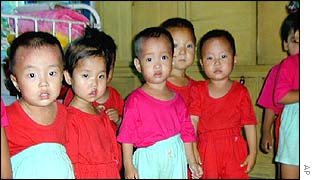 The country faces huge social and economic problems
In the past few weeks, the Stalinist North has raised food prices, bringing them more into line with the black-market price of goods sold in markets where farmers are allowed to sell their own produce.
The wages of workers have been significantly hiked, by as much as 18 times their previous level, according to diplomats based in Pyongyang. The United Nations Under-Secretary General for Humanitarian Affairs and Emergency Relief, Kenzo Oshima, told journalists after making a five-day visit to the North that the price of rice had gone up by 30 to 50 times. Yet UN staff were unclear about how North Koreans were coping with the changes. "While it is too soon to make an evaluation of the impact on improvements in economic performance, I believe this move is a recognition by the DPRK [North Korean] authorities of the economic condition the country finds itself and the need for reform," Mr Oshima told a press conference in Beijing. Sceptics unmoved But not everyone is convinced that the price hikes represent the beginning of real reforms inside the tightly controlled society or that the economic changes represent a more fundamental internal political change inside the world's most secretive state.
"It seems to me that these changes are more of an attempt by the North Koreans to regulate and reinforce the socialist market economy, by increasing the government's grip on the non-formal economic sector." Diplomats who were briefed by North Korean officials on the changes are also unclear just how far they will go. A Pyongyang resident, however, was more certain: "This is the first real acknowledgement by the authorities that the system is broken and something needs to be done to fix it - that represents change."
"The next steps can be crucial. A changed internal regulatory system for economic activities can bring about more freedoms," she said. "It's a critical juncture. External actors can promote positive changes. For example, the European Union and the DPRK authorities have already begun a human rights dialogue," she said. Diplomacy too The economic changes in recent weeks have been paralleled by diplomatic overtures. Ministerial talks with neighbouring South Korea - suspended since last November - get underway in Seoul next week. North Korea has also said it wants to restart high-level talks with Japan and the United States. Relations with the US have been largely stalled since President Bush took office last year and later labelled the regime as part of an "axis of evil". Professor Shin Ji-ho, of the South Korean Government-funded think-tank, the Korea Development Institute, said: "I think it's inevitable that we are seeing these economic and diplomatic changes before the end-of-year presidential elections in the South.
"North Korea is running out of time and wants to create a cushion to fall back on, in case they become diplomatically isolated in the future," he said. Like many sceptics, Professor Shin believes the economic changes were adopted by the authorities in the North to ensure the regime survives - rather than as an attempt at genuine reform. Ultimately, it is too soon to tell. Detailed information about the North is hard to access. But many regard the changes - whatever factors may have prompted them - as positive signs that should be encouraged by the international community. Substantive reforms may be slow and painful. But many believe that at least the recent moves represent steps in the right direction. | |
See also:  07 Aug 02 | Asia-Pacific 01 Aug 02 | Asia-Pacific 29 Jul 02 | Asia-Pacific 29 Jun 02 | Asia-Pacific 29 Jul 02 | Asia-Pacific 25 Jul 02 | Asia-Pacific Internet links: The BBC is not responsible for the content of external internet sites Top Asia-Pacific stories now: Links to more Asia-Pacific stories are at the foot of the page. | |||||||||||||||||||||||||||||||||||||||||||||||||||||||||||||||||||||||||||||||||||||||||||||||||||||||||||||||||||||||||||||||||||||||||||||||||||||||||||||||||||||||||||||||||||||
| |
|  E-mail this story to a friend E-mail this story to a friend |
| |
| Links to more Asia-Pacific stories |
| | | ||
 | ||||
 | | Back to top
| ||
| ---------------------------------------------------------------------------------- To BBC Sport>> | To BBC Weather>> | To BBC World Service>> ---------------------------------------------------------------------------------- © MMIII | News Sources | Privacy |