Clear skies for weekend peak of spectacular 'fireball' meteor shower

- Published
It's a brand new year and the spectacular array of night sky events in 2026 starts with one of the strongest meteor showers to illuminate the year's sky.
The Quadrantid meteor shower is active until 12 January, peaking between 3 to 4 January 2026 in the UK.
The shooting stars are known for their bright fireball meteors which have a blue or yellow-white tinge with fine trails.
Fireballs are larger explosions of light and colour that can last longer than an average meteor streak.

Quadrantids meteor shower over Pigeon Point Light Station in Pescadero, California, US, 4 January 2024
What are the Quadrantids?
The Quadrantids originate from the dust left behind by an asteroid called 2003 EH1 which orbits the Sun once every 5.5 years.
Meteor showers occur when this dust passes through Earth's atmosphere at speeds of up to 70km (43 miles) per second. The tiny particles - roughly the size of a grain of sand - vaporise creating visible streaks of light.
The Quadrantids are known for their active peak which can reach a rate of up to 110-120 meteors per hour, (known as the zenithal hourly rate) for a short, sharp period of just a few hours.
They are named after the former constellation Quadrans Muralis, where they originate from, which was discovered in 1795 by a French astronomer.
It was left off the list of recognised modern constellations by the International Astronomical Union in 1922 and is today considered part of the constellation of Boötes.
To find Boötes, follow the curved handle of the Plough until you reach Arcturus, a bright orange star at its base.

Quadrantids display in Fujinomiya-shi, Shizuoka, Japan
Will skies be clear to see the Quadrantids?
It stays cold over the weekend with a strong northerly wind continuing to to bring frequent snow showers across Northern Scotland.
Wintry showers are also likely around the eastern coast of England, west Wales and Northern Ireland.
So while the view of the night sky might be more limited in these parts, it is looking better elsewhere.
Lots of clear skies are expected on Saturday night.
However, if you are planning on spending much time outside to catch a glimpse of the meteor shower then be prepared for the cold.
Temperatures will drop quite quickly in the evening and stay below freezing for most of the night. A few isolated spots in central Scotland and northern England could see temperatures drop to minus double digits.
The strong northerly wind will make it feel even colder.
As with any celestial event clear skies are crucial to our enjoyment of them so it is worth checking the weather where you on the BBC Weather website or app first.
How can I view the Quadrantids?
The best way to observe any meteor shower is to move away from any light pollution especially in urban areas.
Sit in a garden chair or recline in a sun lounger between midnight and the predawn hours and let your eyes adjust to the night sky for 15 to 20 minutes.
At this time of year you might want to wrap up warm against the winter elements.
No equipment is needed as meteor showers are visible to the naked eye though a clear sky and a lot of patience are prerequisites.
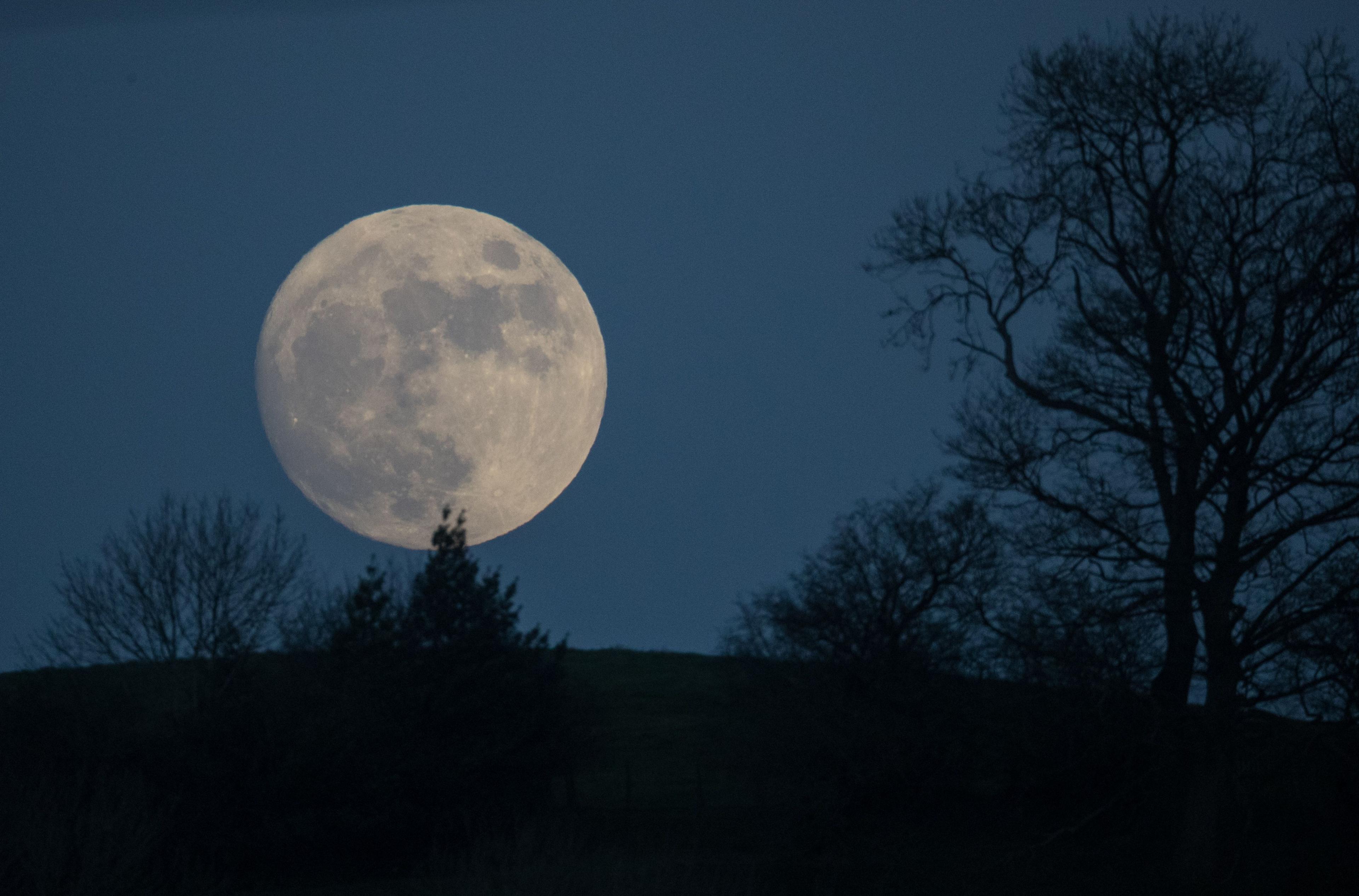
The peak viewing days of this year's display occur between 3 and 4 January which coincides with the first full Moon of the year. It's a Wolf supermoon too so will be particularly bright and may disrupt some viewing conditions.
- Published3 January
- Published29 December 2025
- Published13 February 2025