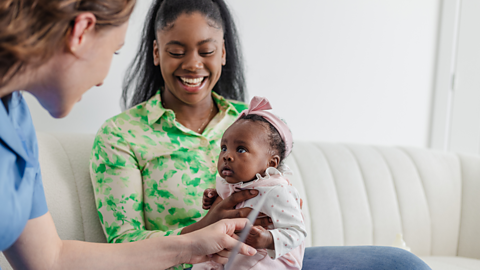
It can be hard to imagine how newborns on playmats could soon grow into fearless five-year olds riding bikes and climbing trees.
These gross motor skills play a key role in how little people explore the world around them.
So what sort of movements are they and how do children learn them?
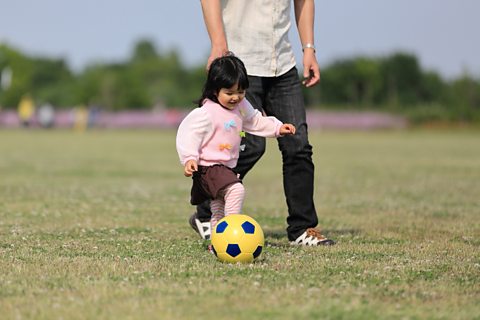
“Gross motor skills are large movements, often using the whole body,” says health visitor Kerry Bennett.
Some examples might be “rolling, crawling, walking, running and jumping as a child gets older. It’s about whole body development.”
While they’re distinct from fine motor skills, kids learn both as they grow, she adds.
Gross motor skills and physical development
Between birth and starting school, small children gain greater control over their bodies and learn a wide array of new movements.
A key aspect of gross motor skills is strength, says Kerry, adding that “core strength is key to whole body movements.”
She adds that a vital aspect of gross motor skills is “holding your head up”, which can be a foundation of many other movements such as sitting up, standing and eventually walking, running and jumping.
Tummy time can also help kids build up strength, allowing them to become more mobile as they grow.
This also "promotes neck control, head control, and the pushing up of the upper body,” says Kerry.
When do gross motor skills develop?
Kerry says it can vary widely, but you might notice gross motor skills developing over the first 3 months with a variety of movements as babies lie on their backs.
They could include “moving the legs, kicking (some people might describe it more as raising the legs), those quite reactive movements.”
As well as, “wriggling, the rolling movements, head control, pushing up, and the ability to sit.”
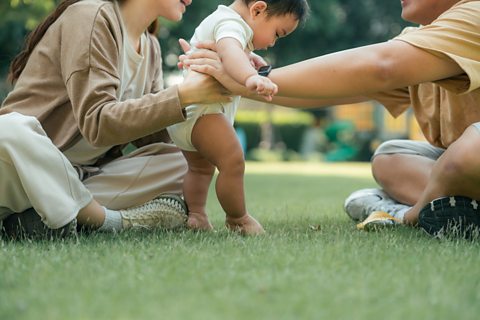
In the first year or so, kids can go on to learn how to sit up, roll, crawl, stand up and walk.
“Sitting might be around 6-12 months and then walking at around 12 months,” says Kerry, adding that it can vary depending on the child.
“Gross motor skills are about building muscle strength,” says Kerry.
“It’s the same with a baby, you’ve got to have repetitive movements to build up strength.”
“It’s the natural progression of doing those repetitive movements that builds to the next stage of motor skills development,” Kerry adds.
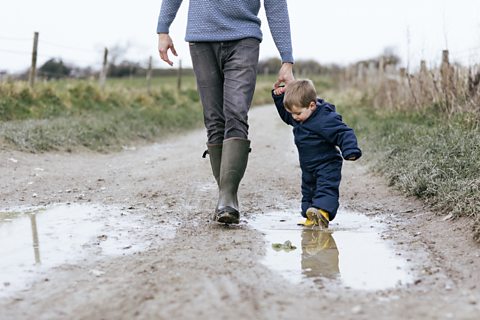
Examples of gross motor skills
Here are some examples of the way you might see gross motor skills in your child:
- Kicking their legs
- Rolling over
- Holding their head up
- Sitting up
- Pulling up to stand
- Standing
- Cruising (walking along) while holding furniture
- Walking
- Running
- Jumping
- Climbing
Activities for gross motor skills development
Babies
Babies can build up their gross motor skills from birth.
A good place to start is “lots of floor play and tummy time,” says Kerry.
She adds that it’s a good idea to introduce children to “lots of different textures, sounds and colours to encourage them to move to different parts of the environment.”
Simple toys like rattles at around 3-6 months can help kids build strength. “They’re holding an arm up and building strength by getting a noise or reaction from an object,” says Kerry.
Another good activity is filling a box with different types of different textured objects and encouraging your child to take things out and examine them, or put them back in.
Toddlers
As kids grow, taking them out and about is a great way to help them improve their gross motor skills.
“The more you’re outdoors the better at that age,” says Kerry.
Taking kids to green spaces can encourage them to get used to moving their bodies, navigating obstacles and improving their mobility.
As they get older you can play football or encourage your kids to experiment with balance bikes.
“They still need gross motor skills but we’re bringing in fine motor skills too like hand-eye coordination. So it’s a great idea to think about using toys or apparatus like that at your local park, soft plays and family centres.”
For rainy days, cooking with kids can be a good way to get them involved in more challenging movements that improve gross motor skills.
Check out our ideas for things to cook with your little ones
“Helping to mix and stir, all those sorts of things can be great for toddlers,” says Kerry.
Pre-schoolers
As kids approach school age, they can handle more ambitious activities.
Building an obstacle course can be a good way to encourage them to develop their gross motor skills while also working on problem-solving.
“Building something in the garden that might require more lifting, or sorting out an obstacle course that requires more precision but still involves lifting, pulling, pushing and sorting can be a good way of engaging an older child,” says Kerry.
She adds that a 0-4 year old should ideally be doing “around 3 hours of physical activity a day, whether that’s playing, or getting out for half an hour in the fresh air in the park, or digging in the back garden.”
She says that the more children do, they more capable they become.
“We’ve all had that experience where a toddler doesn’t want to walk, and they want to go in the buggy or be carried.”
“It’s about building up those experiences of walking a little bit further every time, going to environments that will encourage them to walk because they want to go explore.
She adds that over time, parents can help pre-schoolers “build up their strength and the time that they are on their feet.”
Delays in gross motor skills
Some children may have delays in these movements.
Kerry says some possible signs might be that a child “may take longer than expected to roll over, sit, or walk.”
She adds that they may have “difficulty playing with toys that involve good co-ordination such as stacking bricks.”
She suggests that parents with concerns “talk to a member of their health visiting team or a GP, if you think your child is delayed in any areas of their development.”
How to improve gross motor skills
“Many children who appear clumsy or less advanced than their peers often have all the normal movement skills for their age, but need time, patience, and the opportunity to develop and practise them in a supportive environment,” says Kerry.
Gross motor skills improve when kids feel safe to explore, says Kerry.
She adds that “patience and praise”, alongside a “nurturing environment” can make them feel free to follow their curiosity and improve their mobility.
“A nice example is when you’re popping into a shop, you can ask your kid to pick something off a shelf and put it into a basket,” she says.
“It’s a great example of developing your gross and fine motor skills simultaneously. Because you wouldn’t ask a toddler to pick up a box of eggs, but eventually you might be able to give a four-year-old the confidence to pick up a box of eggs and maybe hand it to you.”