I get a lot of inspiration from travel, you know, as you see these kind of landscapes just flash by.
Architecture inspires me a lot… I’m thinking about how things kind of inhabit those spaces and what story it could tell. Where could that be or who could live in there and what could they do in it? And then you can go away and recreate it.
I am an artist in video games. So I create everything you see. Everything you can think of that goes in a game visually speaking.
So we are a micro game development studio. There’s just five of us. And we’ve been doing this for two years now. We came straight out of university having all of us met there doing games or graphic design or similar things.
We came straight out of university and won a student competition which allowed us to kind of get a bit of funding and then we were able to begin making our first proper game.
Our level designer or the game designer will give me his vision for what the space is and what game play happens in there. But then it’s my job to kind of bring them to life in terms of the visuals. So I’ll be given, you know, walls that are just white cubes. So I need to decide, you know, what architectural style are they going to be? What kind of buildings?
I’ve been playing games since the Sega Megadrive when I was four years old… It’s always been like a really huge hobby, a really big part of my life, erm, it was just only realising that I could do it as a job came when I was much older.
And when you’ve got your picture that you want to try and recreate. You know, you’re just working towards it slowly, kind of methodically.
My experiences of art in school were somewhat limited. I didn’t do a GCSE or A Level so once I’d finished doing it in Year 9 that was the end for me. I just was kind of doing the game stuff or game related things just as a hobby. So I’d get home from school and that would be like, oh great I’m home from school so now I’ve got time to do this which is just a bit of fun.
And then gradually just started working with people my age online, to like put stuff in games and edit things that were already in games. I then started to realise I could make my own stuff. And the closer I got to university, I realised it was actually a viable thing. You could actually get paid to do this and I was enjoying it so it seemed natural to kind of just progress in to it.
So I had to have A Levels to go to university but they were just kind of base line grades. They didn’t mind what it was in, but you had to have a good portfolio… I just kind of did my portfolio in my spare time.
So I pretty much finished a building for the level. It looks very nice but it’s just lacking that fine detail especially not understanding yet, what kind of texture it’s going to have. You know, whether it’s concrete or brick. So I’m going to go out now and try and find some more detailed real world examples.
I kind of see parts of it as being an artist but then there’s so much design. There’s so much thought about a product, it is a piece of art but you do want to sell it. So compared to just, you know, putting paint on a canvas it can be anything you want it to be and you have that kind of freedom. This is more like targeted.
So now I’ve pretty much got the building how we want it to look. And it’s looking pretty good. So we’ll start the process now. I’m starting to replace all these boring cubes with the building. And then the whole process of making a level really is just doing that for every object you can think of. So if there’s a horrible blocky car cube we go and make a nice looking car. Go and research the car and then we’ll replace those cubes with the finished model.
The tools for making a game can seem quite complex. We’re just drawing in general and just keeping thinking about art and keeping creating stuff of any sort is just a great way in to games I think.
Video summary
What's it like working as a computer game designer?
Manchester based Sean Barron talks about his inspiration and the process of creating a new level in a computer game.
He explains how he has turned a hobby into a career, including the importance of building up a portfolio of work.
Teacher Notes
This clip would be useful in inspiring a project about computer games.
Pupils could be set a brief to design a new computer game with the focus being on developing the environment that the game takes place in.
The clip could be shown to inspire them and explain how a designer looks at things in the real world to create the virtual world of the game.
The pupils could also begin by photographing and drawing their own environments before stylising these drawings to create plans for a computer game world.
This clip will be relevant for teaching Art and Design at KS3 in England and Northern Ireland, KS3 and GCSE in Wales and 2nd, 3rd and 4th Level in Scotland.
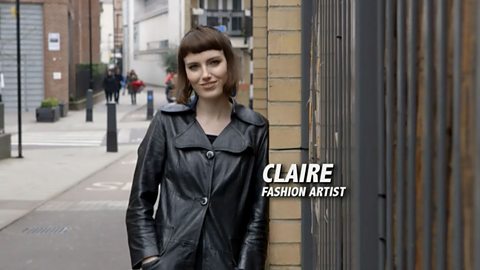
A career as a fashion artist. video
What's it like to work in fashion? Clare Barrow is an artist who now works in the industry.
A career in ceramics
Anna Barlow tells us about her successful career in ceramics and sculpture design

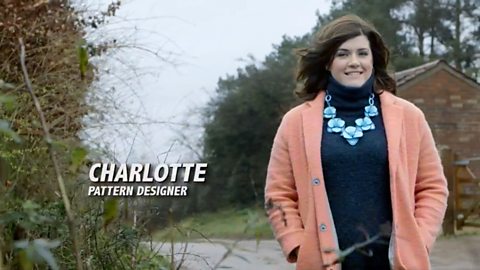
A career in print design
Artist Charlotte Beevor takes inspiration from nature in her work creating prints
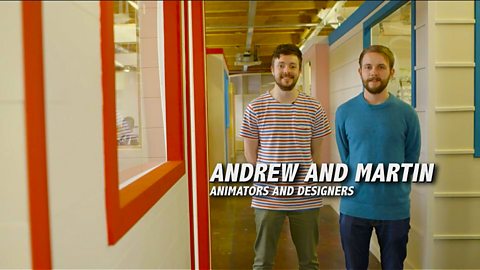
A career in animation
Andrew and Martin tell us how they built their careers as animators and designers
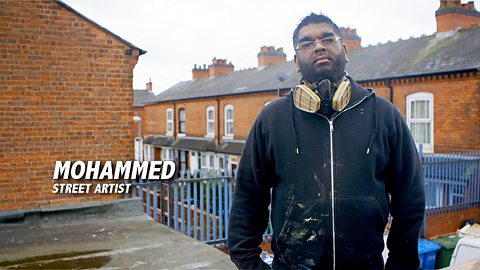
A career in street art
Mohammed Ali tells us about his work designing murals and street art
A career in woodwork
Ruairi McGuigan explains his career in illustration and woodcutting