HELENA LUCAS:In my job I use a stopwatch.
STOPWATCH CLICKING
HELENA LUCAS:I use a gym. I use specialist equipment. Can you guess what my job is? My names Helena Lucas… And I'm proud to be a sportsperson.
NARRATOR:'A sports person is somebody whose job it is to play sport. Throughout history, people have taken part In spectator sports. Like the great athletes who took part in the first Olympic Games in ancient Greece. In modern times sports people have access to specially designed kit and highly advanced training methods.'
NARRATOR:'People such as Andy Murray. A recent British Wimbledon champion from Scotland. However it wasn't always this way. In 1884 Maud Watson became the first woman to win Wimbledon. Her racket was made out of wood and she had to wear a long dress to play. The game was the same but being a sportsperson'
NARRATOR:'wasn't recognised as a proper job back then. Helena is a professional sailor. A Paralympic gold medallist.'
HELENA LUCAS:EXPLAINING THE BOAT
NARRATOR:'Oscar has come to find out more about what she does in her job.'
OSCAR:So Helena, when did you first start sailing or what was your first job?
HELENA LUCAS:First started sailing when I was eight years old so a year younger than you are now. And it was my parents who got me into sailing. But funnily enough I absolutely hated it. I was scared I think. I think I was scared of capsizing when the boat turns over.
OSCAR:Yeah, yeah.
HELENA LUCAS:And it wasn't till I was about 10? Suddenly I realised there was nothing to be afraid of and actually it was an awful lot of fun.
NARRATOR:'Playing sport used to be something people did in their own time as a hobby. It wasn't until the 1900's that it developed as a job.'
NARRATOR:'Radio, television and later the internet turned sports stars into household names'
NARRATOR:'as people followed their achievements. Tessa Sanderson represented Great Britain in the javelin at six Olympic games In a row. Being a sports person isn't always easy. At first Tessa also needed to do a second job to make enough money from her work.'
TESSA SANDERSON:'I start work at eight o'clock and finish at four. And then get to the track for about quarter past five and then I'm there till about nine o'clock at night. So altogether it’s a very, very tiring day.'
NARRATOR:'In 1984 Tessa won the Olympic gold medal for javelin.'
OSCAR:What does it feel like to get a gold medal?
HELENA LUCAS:The most amazing experience. I have a little present for you here.
OSCAR:Wow!
HELENA LUCAS:I think the initial sensation is one of relief because you spent so many years of your life trying to achieve that. That there is defiantly a sense of relief. Every time I look at it I just feel so proud and sometimes I feel like I can't believe it was me. It was somebody else that won it and I'm just looking after it for them.
NARRATOR:'Although the job of a sportsperson can appear glamorous It takes a lot luck and hard work to be successful.'
NARRATOR:'Who out there will become the next sporting superstar? How will they excite us and entertain us?'
NARRATOR:'And what will they achieve to make us admire them?'
OSCAR:The sport I would like to do as a sportsperson would be to become a professional footballer. Because I really enjoy it, I'm quite good at it and I can keep on going with it. I would most like to achieve probably winning The World Cup for England.
Video summary
Schoolboy Oscar meets Paralympic gold medallist Helena Lucas, to find out about her job as a competitive sailor.
He sees around her boat and interviews her about how she started sailing and what it was like to win gold.
An animated timeline shows us how sport has developed through the centuries, from Ancient Greece to the modern day.
The clip focuses on Maud Watson, the first woman to win Wimbledon (in 1884 and again in 1885), at a time when sport was a hobby not a job.
This is compared to present-day British Wimbledon champion Andy Murray, who plays professionally.
We also see an archive clip of British Olympic gold medallist Tessa Sanderson being filmed at her day job in an office, and talking about her exhausting training schedule after work.
The clip highlights the hard work and commitment needed to achieve in sport.
Teacher Notes
Key Stage 1:
History - Helps address the lives of significant individuals in the past who have contributed to national and international achievements.
Some of the clip could be used to compare aspects of life in different periods. Look at how the clothing and equipment of the sportspeople have changed through time. This would be an exciting part of a wider study of the Olympic Games, Paralympics or Commonwealth Games, noting the changes in various sports equipment.
Science – Study the materials used in sports equipment noting how the characteristics of the chosen materials suit the uses and demands placed upon them e.g. how the earliest lady tennis players wore long dresses – how would this hinder their movement etc.?
Compare with the clothing worn by the footballers in training with their bright yellow, lightweight, waterproof, sweat-proof, breathable jackets.
Physical Education – One of the purposes of study of the new curriculum for P.E. is to build character. Discuss fears associated with various outdoor activities.
Modern Studies - Discuss how they feel when they are proud of an achievement and which sporting achievement they would like to aim for.
Key Stage 2:
History – One of the achievements of the Ancient Greeks and their influence on the Western world was the Olympic Games. Children could study the History of the Games and other global sporting events, using a range of historical sources of information, to produce an exhibition to show how sport has changed chronologically.
Every child could produce presentation materials on a different significant sportsperson of the past, or of the development of a sport through time.
They could present their own perspective and judgements on their choice and selection, using evidence to back up claims.
Physical Education – Children can take part in outdoor and adventurous activity challenges both individually and within a team.
They can discuss ways of meeting and overcoming any challenges in whatever form they take, as shown in the interviews with the sportspeople in the film.
A key idea would be to illustrate that P.E. as with any subject, needs working at to improve performance. Compare their performances with previous ones and demonstrate improvement to achieve their personal best.
Children could produce posters with coaching tips to help others in the school achieve their personal best in P.E.
This clip will be relevant for teaching History and Modern Studies (careers) at KS1 and KS2 in England, Wales and Northern Ireland and 1st and 2nd Level in Scotland.
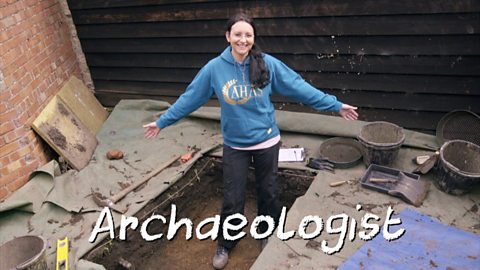
Proud to be an archaeologist. video
Schoolgirl Fayth meets archaeologist Pauline Carroll on the site of an archaeological dig in Oxfordshire.
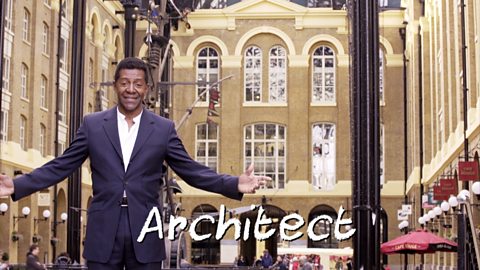
Proud to be an architect. video
Schoolgirl Jenna interviews architect Arthur Timothy at Hay's Galleria in London - a building he designed.
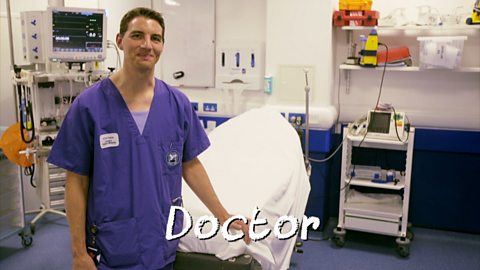
Proud to be a doctor. video
Schoolboy Lakshya visits the Edinburgh Royal Infirmary to interview Dr. Dave Caesar about his job.
Proud to be a doctor. video
Schoolboy Lakshya visits the Edinburgh Royal Infirmary to interview Dr. Dave Caesar about his job.
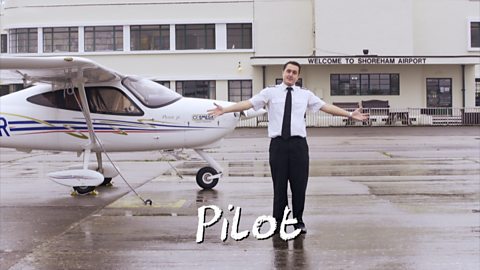
Proud to be a pilot. video
Schoolgirl Ayesha meets pilot Rob Billington at Brighton City Airport to learn about what it takes to become a pilot.
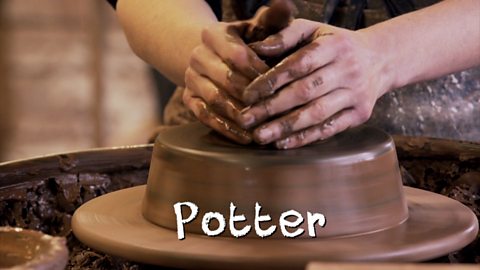
Proud to be a potter. video
Schoolboy Ben meets potter Caitlin Jenkins at her studio in south Wales, to find out more about her job.