Migration is the movement of people from one place to another.
For example, in the 18th and 19th centuries, large numbers of people in Britain migrated from the countryside to towns and cities, to work in the factories created by the Industrial Revolution.
Immigration is when people move from one country to another country.
There are many reasons why people migrate.
Sometimes they move because there are better job opportunities and sometimes they are escaping war or political conflicts.
In the last one hundred years, immigration has changed the make up of Britain's population.
After World War Two, lots of people came to live in Britain from around the world. They came to help rebuild the British towns, cities and industries that had been damaged during the war.
The people who came from the Commonwealth countries in the Caribbean are often known as the Windrush generation, after the ship the Empire Windrush, which brought the first group of migrants to a new life in Britain.
And in the 1960s and 70s, a number of people came to Britain from India and Pakistan, some fleeing conflict at home, others drawn by job opportunities in Britain. Those Indian and Pakistani migrants worked in British industries that needed more people to do certain jobs. Industries like, textiles and engineering and in the National Health Service.
Most recently, Britain has seen immigration from Eastern European countries like Poland, Romania and Lithuania. These migrants work in all sectors, but especially in factories, healthcare and in hotels and restaurants.
Immigration has created the diverse and multicultural society we have in the United Kingdom today.
Video summary
This short film was first published in 2020.
This short film is intended to help pupils explore both historical and current patterns of migration and immigration within, to and from the United Kingdom, and to think about how the movement of people affects a country.
It can be used as an introduction to the topic, and to raise some issues that might require pupils to think critically, helping to ensure appropriate understanding of the different reasons for migration and immigration.
Teacher Notes
Points for discussion
- What is migration?
- What is immigration?
- How does migration affect people?
- How does migration affect a place or a country?
- How have patterns of migration in the United Kingdom changed over time?
Suggested activities
After watching the short film, pupils could explore patterns of migration into the United Kingdom from other countries, and explore what changes those migrants have brought to the country.
Can pupils investigate migration trends for countries other than the United Kingdom?
What is home? Can pupils explore what ‘home’ means to them and how this can mean different things to different people?
This short film is relevant for teaching history at KS1 and KS2 in England, Wales and Northern Ireland and 1st and 2nd Level in Scotland.
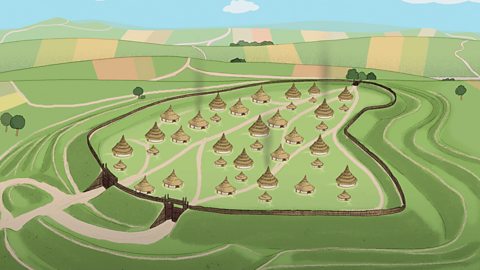
Hill forts. video
An animated introduction to Iron Age hill forts for primary pupils.
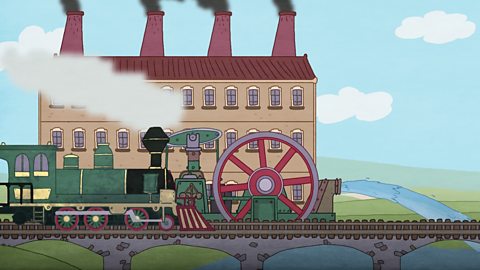
Industrialisation. video
An animated introduction to industrialisation for primary pupils.
The digital revolution. video
An animated introduction for primary pupils to the impact of the digital revolution over the past 50 years.

Roman roads. video
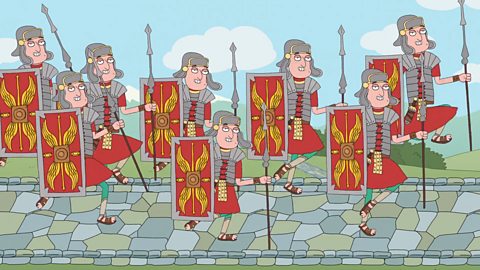
An introduction for primary pupils as to why and how the Romans built a network of roads in Britain.