Zika Viral Disease
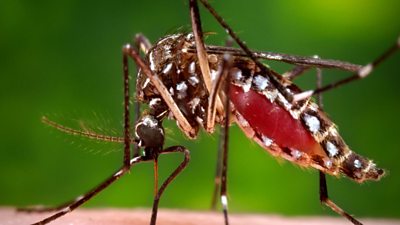
Zika Viral Disease is a mosquito-borne disease caused by the Zika virus. The World Health Organisation has declared it a global public health emergency.
Context
Typical symptoms are:
- low-grade fever
- joint pain and/or pain in the eye sockets
- rash (sometimes itching as well)
- conjunctivitis / red eyes
- headache
- muscle pain.
The majority of infected individuals either don’t know they have the disease or the symptoms are very mild, lasting between 2 and 7 days.
Those with suggestive symptoms (as above) in known Zika affected areas are likely to be diagnosed without blood / laboratory testing. Tests for the disease aren't totally reliable, the best being the so-called PCR test. Those who develop symptoms whilst deployed are recommended to seek local medical attention and ask to be tested. Those who develop symptoms on return to home / UK should consult their GP. Routine testing for those who have been to Zika affected areas, but have remained asymptomatic, is not currently being recommended.
Serious complications and deaths from Zika are rare. However, recent increases in congenital anomalies (particularly microcephaly), Guillain-Barré syndrome, and other neurological and auto-immune syndromes are being reported in areas where Zika outbreaks have occurred. There is now a consensus in the scientific community that the Zika virus is the cause of the congenital anomalies described above.
The disease is currently spreading throughout the Americas, West Indies and Pacific Islands - list of affected countries. The disease has been reported in other countries, but these have been isolated cases arising from those returning from affected countries, and not as a result of active transmission within the country. Active transmission is reliant on the distribution of the Aedes aegypti mosquito (see Useful Documents).
Detailed information about the disease is available from the following sources:
- Public Health England (PHE)
- UK National Health Service (NHS)
- World Health Organisation (WHO)
- Centre for Disease Control (CDC - USA)
- Pan American Health Organisation
- BBC News
About the virus / disease
- Zika virus is transmitted by the bite of the female Aedes mosquito, most commonly Aedes aegypti
- This mosquito bites during the day and evening / night time, so you need to protect yourself against bites at all times of the day.
- This mosquito is rare in the UK as our climate is not consistently warm enough for it to breed - meaning that individuals who return to the UK with the virus cannot act as a reservoir for the infection of others.
- There is no specific antiviral treatment for Zika.
- There is currently no vaccine or drug to prevent Zika infection.
Key precautions
The following measures and advice are taken from credible authorities (see list above and recommended links) - the approach is precautionary as there is little evidence-based information at present. You should always seek advice from occupational health before you travel internationally:
- Women travellers who are, or may be, pregnant (in any trimester) or planning to become pregnant and who might travel to areas where any mosquito-borne diseases such as chikungunya, dengue, malaria and Zika are known to occur, should avoid travel and not deploy to an area where active Zika transmission is being reported.
- To lessen the risk of infection of the foetus, women travellers should avoid becoming pregnant for 8 weeks following their return from an infected area
- Zika virus has been reported to have been transmitted through sexual intercourse, from men to women and then to the foetus, so males living in or travelling to infected areas need to consider this risk. To lessen the risk of infection, if they have been asymptomatic, male travellers should confine themselves to protected sex using condoms for 8 weeks following their return from an infected area, with this period increasing to 6 months for those who have had Zika fever - consult your GP or medical specialist.
- If you have concerns about travelling then you should talk to your manager at the earliest opportunity.
- For those individuals who do travel to, or live in, an area where active Zika transmission is occurring, take scrupulous measures to avoid mosquito bites during both daytime and night time hours, though be aware that some risk of being bitten will remain:
- Regularly use insect repellents such as DEET (available from Safety Stores)
- Cover limbs with long-sleeved tops and trousers
- Keep windows and doors closed and sleep in air conditioned hotels when possible
- Use insecticide impregnated nets if sleeping outside or in poor accommodation
- If you can, avoid areas where there are high numbers of mosquitoes.
Prior to deployment to a country known to have active transmission:
- Review the Country Pages within myRisks Information website - if necessary, speak to the High Risk Team
- Consider Zika viral disease in your risk assessment
- Ensure "Zika" is included in the title of your risk assessment form
- Make sure all of those being deployed are individually named in the risk assessment
- Continue to monitor Public Health information sources regularly in case of a change in the advice being given - see Recommended Links (www).
Advice to those returning from a Zika infected area
- On the 2nd September 2016, the WHO reported that to date there have been no reports of confirmed cases of Zika virus among people who attended the Olympic Games and since their return
- Should individuals develop the symptoms of Zika on return to the UK i.e. high temperature, muscle and/or joint aches, and/or a rash or sometimes conjunctivitis, they should consult their own GP or attend an NHS casualty department as soon as possible. The NHS will have access to testing facilities and public health advice that we do not readily have
- We recommend that you avoid pregnancy and take appropriate contraceptive measures for 2 months following your return
- For men only, if you have had Zika or Zika symptoms then the advice is that you should extend this period to 6 months
- If you were to fall pregnant within the time frames above then whilst the likelihood of problems is small, you should consult your GP as soon as you are aware of your pregnancy and tell them about your travel to a Zika area
- Based on Public Health England’s and the World Health Organisation's current advice, there is no indication to test individuals on return to the UK who have had not had any symptoms whilst abroad (asymptomatic). If you did have Zika symptoms whilst abroad and, for some reason, you were not tested at the time, then you can consult your GP who may advise testing in consultation with Public Health England
- If you have any questions, you can talk to Occupational Health or consult your GP who will have access to PHE advice.
Recommended links
- BBC Occupational Health[Gateway]
- BBC High Risk Team contacts[BBC network only]
- Centers for Disease Controls and PreventionQuestion and Answers: Zika virus infection (Zika)
- Travel Health ProTravel health advice for destinations worldwide and a wealth of useful resources for travellers
- BBC NewsZika outbreak: What you need to know
Pregnancy topics
Pregnancy
A guide to health and safety considerations for pregnant and nursing colleagues.
Farms, Zoos and Animal Sanctuaries
Animals can also present particular risks to pregnant women.
Contributors Fitness to Participate
A guide to the health of contributors who are asked to perform physically demanding tasks, over and above those that they would normally encounter in their day to day life.
BBC Occupational Health
Service provided by Medigold Health, accessed through the HR Service Centre.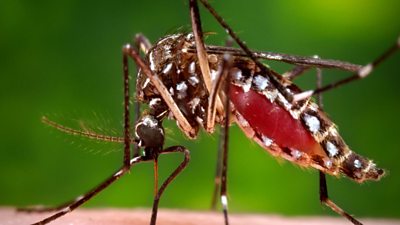
Zika Viral Disease
Updates and advice
Disease-specific topics
Bird Flu
Advice for staff covering the outbreak of avian 'flu in Yorkshire in 2014
Living with Coronavirus (Covid-19) – advice for staff
Advice for staff about travel and/or interviewing guests
Disease and Contact with Viruses and Bacteria
A guide for anyone deployed to areas where there is risk from infectious disease from human, animal, insect or parasite sources, including zoonoses. These controls can also apply to harmful bacteria found in incidents such as sewage spills.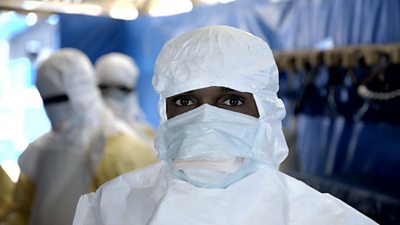
Ebola Virus Disease (EVD)
Ebola is a contagious and often fatal illness which has had periodic outbreaks in the DRC and Sudan.
Influenza ('Flu)
A guide to influenza, or 'flu', for individuals seeking general advice or during an epidemic or pandemic situation.
MERS: Middle East Respiratory Syndrome
This is a virus that is new to humans and was first identified in Saudi Arabia in 2012.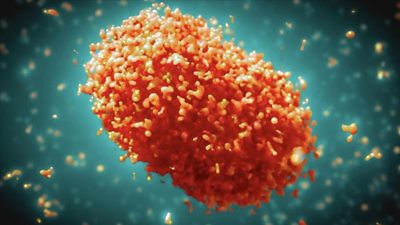
Mpox (monkeypox)
Requirements to be met for Mpox (2024) outbreak coverage and/or travelling to work in areas where there are high reported cases of Mpox.Zika Viral Disease
Zika Viral Disease is a mosquito-borne disease caused by the Zika virus. In 2015, the World Health Organisation declared it a global public health emergency.
More from SSR
Safety Hub
Your platform to record accidents, risk assessments, assurance monitoring and inspectionsSafety Equipment Stores
Just one number to call: 020 3614 5155BBC Safety Guidelines
An A-Z of BBC's Safety GuidelinesContact your Safety Team
Safety Advice Line: 0370 411 0464 Email: safety@bbc.co.uk
- A-Z of BBC Safety Guidelines
- Find my Safety Adviser (BBC Network only)
- Accident Reporting and Investigation
- BBC Health & Safety Policy
- Contractors (incl. vetted lists)
- Contributors
- Fire Safety
- Freelancers
- Independent Production Companies
- Risk Assessment
- Safety Alerts
- Safety Responsibilities
- Safety Training
- Sets & Premises Safety Guide
Events guidance - key links:
Health topics - key links:
- Access Services (BBC network only)
- Contributors Fitness to Participate
- Display Screen Equipment (DSE)
- Employee Assistance Programme (BBC network only)
- First Aid and Welfare on Location
- International Travel - Risks & Health
- Manual Handling
- Mental Health: Homepage
- Occupational Health Referrals & Advice (BBC network only)
- Personal Health and Wellbeing
- Pregnancy
- Psychological Trauma Support & Trauma Risk Management (TRiM)
- Tiredness and Fatigue
- Travel Health Contacts
BBC High Risk - key links:
BBC Journalism - key links:
BBC Productions - key links:
- Aerial Filming and Airfields
- Animals: Displaying and handling for performance
- Boats: Working on
- Children and Young People
- Driving
- Electrical Equipment and Systems
- First Aid and Welfare on Location
- Food Safety (Cooking and Catering)
- Remote Location Working
- Roads and Streets: Working by
- Security of Productions on Location
- Stunts
- Tiredness and Fatigue
- Unmanned Aerial Systems (UAS aka Drones)
- Vehicles: Recording in, from and around
- Working at Height: Mobile Elevating Work Platforms
- Working at Height: Tower Scaffolds
BBC Radio - key links:
- Corporate Security Home (BBC Network only)
BBC Security - key links:
BBC Sport - key links:
- Broadcast: Presentation and Linking Positions
- Broadcast Vehicles
- Buildings used for ...temporary studios (HSE)
- Electrical Equipment and Systems
- Guide to Safety at Sports Grounds (DCMS)
- Managing H&S at Motorsport Events (HSE)
- Safety in Broadcasting Sports Events (HSE)
- Sports Events: Recording or Filming
- Vehicles used in Sports Coverage
About this site
This site describes what the BBC does in relation to managing its health, safety and security risks and is intended for those who work directly for the BBC.
It is not intended to provide instruction or guidance on how third parties should manage their risks. The BBC cannot be held liable for how this information is interpreted or used by third parties, nor provide any assurance that adopting it would provide any measure of legal compliance. More information
Some links on this site are only accessible when connected to the BBC network
