Crisis Management and Security Support
The BBC and its contractors are sometimes required to work in difficult and challenging circumstances. Safety and security issues may occur either during programme making or following transmission.
It is important that security risks are considered early and in conjunction with the production safety risk assessment.
The BBC’s worldwide brand and reputation make it a popular target for those who seek to curtail its broadcasting output and prevent stories or issues receiving fair and balanced coverage.
What Can Go Wrong?
- Attacks or threats to the safety of employees and contractors, when working for the BBC, particularly when deployed away from their usual base in the UK or overseas. This might include reputational or personal abuse, rendered verbally, through social media or internet websites; physical violence, capture, imprisonment and stalking.
- Attacks or threats to the BBC, its contractors and other members of the press.
- Physical, electronic or cyber-based attacks on BBC buildings, technical infrastructure, production teams and locations, programme output, transmission paths and communications, including phones and IT systems.
Legal/BBC Requirements
- This guide provides important background and information to inform your planning, assessment and arrangements. Reading them does not make you an expert, nor preclude the need for separate risk assessment. If you require any additional information or clarification you should always contact the Safety Advice Line or High Risk team, as appropriate.
Control Measures
General Controls
- It is important to plan ahead rather than be driven by unfolding events:
- Identify the members of a crisis management team in the planning phase
- Establish a protocol for passing routine information and an escalation procedure. This should include weekends and “out of hours” provision.
1 - Planning
Identify potential crisis management team members before work starts. For example:
- Person in charge of production and a responsible manager
- Corporate Security or High Risk Team representative
- HR representative
- The BBC Press Office should be consulted
- A legal advisor may be required
- Ensure HR and contact information is up to date and checked, including contact numbers for nominated Next of Kin.
BBC Corporate Security and the High Risk Team can support the planning process and contribute to the development of risk assessments by;
- Advising on appropriate training in preparation for an assignment
- Advising on the crisis management arrangements.
2- Managing Risks
Where there are significant risks identified, or there is any concern for the safety and security of staff or contributors BBC Safety must be consulted:
- Where there is criminal threat, activity or intent, inform BBC Corporate Security at the earliest opportunity. They are responsible for advising on the safety and security of staff after production and transmission.
- For work in Hostile Environments, High Risk Activities and High Risk Events contact the BBC High Risk Team.
- In a BBC location, ensure personnel remain vigilant to security risks, wear BBC ID and do not let people "tailgate" into secure areas.
- If your assessment indicates that the team or individuals are likely to be involved in traumatic events or situations, consider Trauma Awareness training. More information can be found in the Trauma guide.
3 - Managing an Incident or Event
- In the event of a fatality or serious injury notify senior management, nominated next of kin, HR and Press Office. Read the HR Support during Major incidents document for more information.
- If necessary plan to recover staff and provide appropriate managerial, welfare and trauma support, for those impacted by events.
- Once the initial emergency phase has passed the following information should be established
Establish the facts/chronology of the incident as far as possible:
- Establish the follow up to the incident by local emergency services and BBC bureau/office if appropriate. Overseas legislation may differ from UK regulations.
- Did the individual act on their own initiative?
- Did the individual respond to direction from BBC management?
- Was the individual directed by an independent company?
- Terms of Contract: What contract or terms of service was the individual working under?
- Were there special circumstances such as a leave of absence from a BBC post?
- If working as a stringer did the individual offer copy to the BBC or were they contracted for a specific piece of work?
- Was there a recent history of copy/pieces supplied?
- Risk Assessment Process: Was there a Risk Assessment in place and were controls or work procedures being followed?
- Confirm the identity of the authority for sign off and provision of safety and/or specialist advice
- Was individual appropriately trained and suitably equipped?
4 - Points of Contact
For Programme related issues, contact is through:
- W1 Duty Manager.
- News Duty Operations Manager (News DOM)
- BBC Corporate Security
- BBC High Risk Team
Division Specific Issues
- No division specific issues.
FAQs/Did You Know?
The latest BBC emergency information and incident updates can be found from the BBC emergency information web page and using the sources below:
- Telephone: 0800 0688 159
- Twitter: @BBC159
Recommended links
- High Risk Team contact list[BBC network only]
- BBC Security & Investigations contacts[BBC network only]
High Risk topics
CBRN and Industrial Spills
A guide to chemical, biological and radiation related hazards.
Crisis Management and Security Support
The BBC and its contractors are sometimes required to work in difficult and challenging circumstances. Safety and security issues may occur either during programme making or following transmission.
Disaster Coverage
This information should be used during an initial response to a disaster and may be superseded by a specific risk assessment.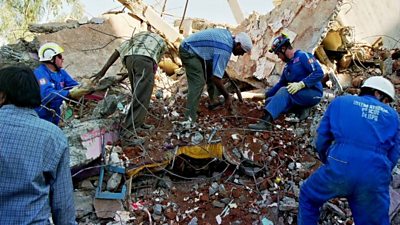
Disaster Coverage – Health Aspects
A guide to the particular health risks when visiting areas subject to natural or man-made disasters.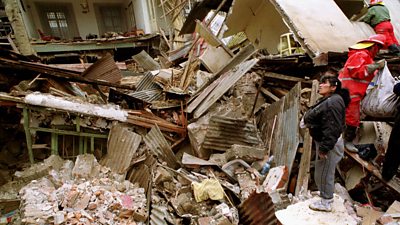
Earthquakes
This Guide helps you decide how to manage risks in the event of an earthquake. It applies to those living and working in an earthquake area on how to prepare, as well as to journalists covering the aftermath of an earthquake.
Hostile Environment Country Pages
[BBC Network only] PTK Destinations, the BBC's Hostile Environment Country site is the best way to plan and manage risk for BBC productions.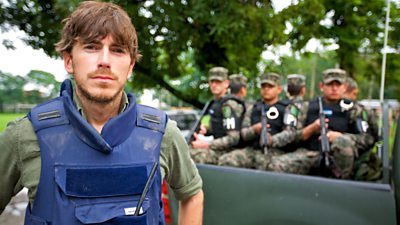
Security on Location
This Security Guideline provides measures to help mitigate the security threats associated with production activities on location, including door-stepping, covert filming, working with crowds and public order issues.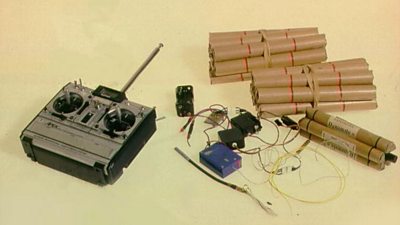
Terrorist Bomb Incidents
A Guideline for staff covering stories on terrorist bomb threats on location, or at the site of an unexploded bomb (UXB). It could also be of relevance at the site of an industrial explosion.

More from SSR
Safety Hub
Your platform to record accidents, risk assessments, assurance monitoring and inspectionsSafety Equipment Stores
Just one number to call: 020 3614 5155BBC Safety Guidelines
An A-Z of BBC's Safety GuidelinesContact your Safety Team
Safety Advice Line: 0370 411 0464 Email: [email protected]
- A-Z of BBC Safety Guidelines
- Find my Safety Adviser (BBC Network only)
- Accident Reporting and Investigation
- BBC Health & Safety Policy
- Contractors (incl. vetted lists)
- Contributors
- Fire Safety
- Freelancers
- Independent Production Companies
- Risk Assessment
- Safety Alerts
- Safety Responsibilities
- Safety Training
- Sets & Premises Safety Guide
Events guidance - key links:
Health topics - key links:
- Access Services (BBC network only)
- Contributors Fitness to Participate
- Display Screen Equipment (DSE)
- Employee Assistance Programme (BBC network only)
- First Aid and Welfare on Location
- International Travel - Risks & Health
- Manual Handling
- Mental Health: Homepage
- Occupational Health Referrals & Advice (BBC network only)
- Personal Health and Wellbeing
- Pregnancy
- Psychological Trauma Support & Trauma Risk Management (TRiM)
- Tiredness and Fatigue
- Travel Health Contacts
BBC High Risk - key links:
BBC Journalism - key links:
- Broadcast Vehicles
- CBRN and Industrial Spills
- Courts of Law
- Covert Filming (via Security on Location)
- COVID: Managing COVID risks is News Deployments
- Demonstrations, Protests and Crowds (via Security on Location)
- Disaster Coverage
- Disaster Coverage - Health Aspects
- Door Stepping (via Security on Location)
- Press Conferences
- Psychological Trauma and PTSD
- Terrorist Bomb Incidents
BBC Productions - key links:
- Aerial Filming and Airfields
- Animals: Displaying and handling for performance
- Boats: Working on
- Children and Young People
- Driving
- Electrical Equipment and Systems
- First Aid and Welfare on Location
- Food Safety (Cooking and Catering)
- Remote Location Working
- Roads and Streets: Working by
- Security of Productions on Location
- Stunts
- Tiredness and Fatigue
- Unmanned Aerial Systems (UAS aka Drones)
- Vehicles: Recording in, from and around
- Working at Height: Mobile Elevating Work Platforms
- Working at Height: Tower Scaffolds
BBC Radio - key links:
- Corporate Security Home (BBC Network only)
BBC Security - key links:
BBC Sport - key links:
- Broadcast: Presentation and Linking Positions
- Broadcast Vehicles
- Buildings used for ...temporary studios (HSE)
- Electrical Equipment and Systems
- Guide to Safety at Sports Grounds (DCMS)
- Managing H&S at Motorsport Events (HSE)
- Safety in Broadcasting Sports Events (HSE)
- Sports Events: Recording or Filming
- Vehicles used in Sports Coverage
About this site
This site describes what the BBC does in relation to managing its health, safety and security risks and is intended for those who work directly for the BBC.
It is not intended to provide instruction or guidance on how third parties should manage their risks. The BBC cannot be held liable for how this information is interpreted or used by third parties, nor provide any assurance that adopting it would provide any measure of legal compliance. More information
Some links on this site are only accessible when connected to the BBC network
