

16:30 - 17:30
Sean Rafferty presents a selection of music and guests from the arts world.
 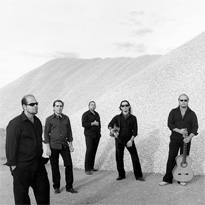  SON DE LA FRONTERA (Spain) Cal 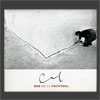 WINNER - EUROPE Flamenco is to Spain what jazz is to America and chanson to France; a music indelibly linked by outsiders with the nation. Over recent decades flamenco musicians have pushed it in all kinds of directions – fusing it with blues and rock, recording with orchestras, pushing into ambient territories, even producing the odd Spanish pop star. Son De La Frontera (“sound of the frontier”) are the latest band to employ a unique approach to flamenco, this time involving a quest to reach into the music’s history. The five piece band from the town of Moron de la Frontera – based almost midway between the great flamenco cities of Seville and Grenada - focus on reinterpreting the music of the late guitar maestro Diego del Gastor (1908-1973). Gastor was known for his stylistic brilliance and virtuosity which made him a legend amongst players of the bajani (nylon stringed acoustic guitar) and Son de la Frontera have recorded several of his compositions on their two albums, 2006’s eponymous debut and 2007’s Cal. Yet Son de la Frontera are much more than a simple homage band. Instead, inspired by Gastor’s adventurous musical nature, they are intent on pushing the flamenco of Moron both back in time and across to the new world. By pairing flamenco guitars with band leader Raul Rodriquez’s Cuban tres guitar they create a distinctive, silvery sound. The band don’t simply stop there: aware a mix of musical cultures in medieval Andalucia created “flamenco”, Son de la Frontera go in search of the music’s ancient origins. Attempts to capture “a Moorish tinge” find the band attempting to recreate the sound of the Moors who governed much of Al Andalus from 718-1492 while acknowledgement of Gypsy involvement in flamenco lead the band to listen to string music from Afghanistan and northern India, finding musical phrases they believe compliment their flamenco. Rodriquez’s brilliance on the tres means he can make this small instrument hint at all kinds of sounds – one track may find him suggesting a sarod, another a mandolin. And, of course, on some he plays it straight as a Cuban tres. Garth Cartwright www.worldvillagemusic.com Read other people's comments then  Tell us what you think: Tell us what you think:Nick, UK Anna from Barcelona Marco Aguilar, Sevilla Javier Mas (Spain) Rob California Paco, Seville/Spain TRACY, MANCHESTER Carlos Gardel Norma Tebury Wells mki dk tom, london D ,so california adam, australia linda - nyc | | |
| | |
 Listen to 'Buleria de la cal'


BBC iD
BBC iDBBC navigation
BBC links

BBC © 2014The BBC is not responsible for the content of external sites. Read more.
This page is best viewed in an up-to-date web browser with style sheets (CSS) enabled. While you will be able to view the content of this page in your current browser, you will not be able to get the full visual experience. Please consider upgrading your browser software or enabling style sheets (CSS) if you are able to do so.
