Capturing the Colours of the Countryside
Countryfile’s annual photography competition returns this year with the theme the Colours of the Countryside.
The BBC One programme wants your pictures of the vibrant and varied hues of the British landscape and its inhabitants. The best twelve will then make up the Countryfile Calendar 2016, which will be sold in aid of BBC Children in Need.
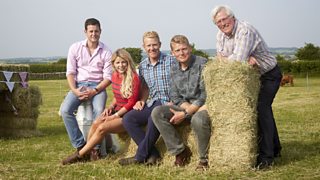
For this year’s competition, returning to the judging fold is comedian and bird-lover Bill Bailey and new to the judging panel is children’s wildlife presenter Naomi Wilkinson. They’ll be joining John Craven to choose their favourite twelve pictures, before we let you decide which of them is the overall winner.
All the details on how to enter can be found on the Countryfile website along with the terms and condtions.
While the competition is open, Get Creative will be publishing tips and hints on how to take the best countryside photographs.
Take a look back at the winners from last year
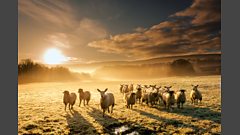
Get Creative champions Southport Photographic Society, led by President Michèle Martin, have collectively put together some tips on how to get to know our camera equipment and to help capture the best shot.
1 Start early
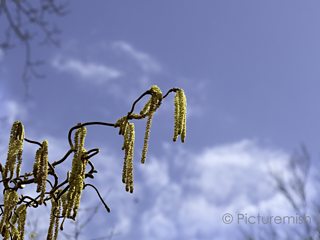
Wildlife don't usually sit around waiting for you to finish fiddling with your equipmentMichele Martin
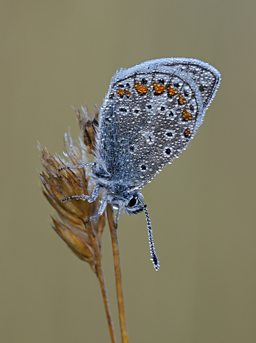
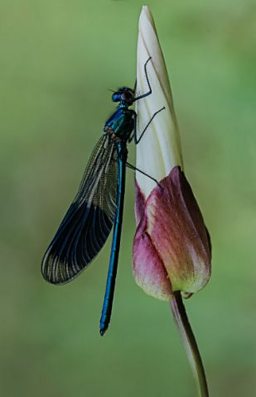
In the summer it gets light at 4.30am but insects like butterflies and dragonflies don't get warm enough to fly away until around 9 or 10am. Getting up early means you've time to take a good shot without disturbing them. With early mornings you also get the added bonus of soft light & dew which can transform a good photograph into a great one.
2 Learn your camera's settings
Use the time you spend in front of the TV to play with your camera. Then when you're out taking photos and you see something worth photographing you can take the shot straight away. Wildlife don't usually sit around waiting for you to finish fiddling with your equipment.
3 Have a good knowledge of your subject
A lot of wildlife live in specific areas at set times of the year. So you'll save yourself a lot of time and trouble if you do a bit of research beforehand. Natterjack toads can be found on the Southport dunes between April & July; white satin moths in July & August and the grey heron can be found all year round near ponds, lakes, streams and estuaries.
4. Take lots of photos
When you see a potential photo grab it quickly, then while the subject is still there take lots of photos at different settings. Try different apertures - narrow like F16 to get lots of background and foreground detail and wide e.g. F4.5 to blur the background and make the subject stand out. The more photos you take the more likely you are to have one that really shines.
5. Composition
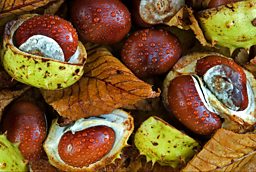
Check you've got all the subject in the picture - no clipped wings or halved heads - and that it's big enough to fill at least a third of your picture. Placing the subject slightly to one side makes a more interesting photo than having it right in the middle. Try unusual angles - get down on your tummy and see things from a worm's point of view!
6. Analyse your photographs
Check your photos in the camera to make sure they're not too light or too dark straight after you've taken them. When you get home, go through them to decide which are keepers and which are not and why. This means you find out what works for you and is the real key to being a successful photographer. It doesn't matter how good you are now - it's the progress you make by trying different things and learning from your (good and bad) experiences. After all excellence is a journey not a destination.
Famous faces share their love of photography



How-to guides from Countryfile Magazine
![]()
How to be an agricultural photographer
Agricultural photographer Hollie Crawshaw shares her five top tips for taking better photos of animals and farms
![]()
How to take great photographs of the countryside
Maria Hodson attempts to master the art of taking a great photograph while walking through the beautiful Brecon Beacons
![]()
UK nature photography blogs
Need some photographic inspiration but don't have time to trawl the thousands of blogs, streams and feeds on the net? Here are some of the best.
![]()
Countryfile
The people, places and stories making news in the British countryside.