Phone changers: EU wan rule to force USB-C chargers for all phones - Read why
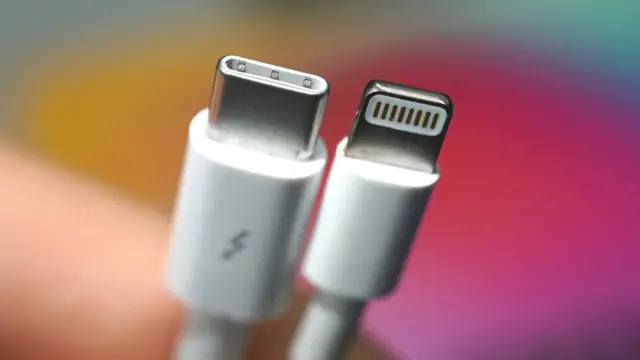
Manufacturers go dey forced to create a universal charging solution for phones and small electronic devices, under one new rule wey European Commission (EC) dey propose.
Di aim na to reduce waste by encouraging consumers to re-use di chargers wey dem get before wen dem buy new device.
All smartphones wey dem dey sell for EU must get USB-C chargers, di proposal tok.
Apple don warn say dis kain move go harm innovation.
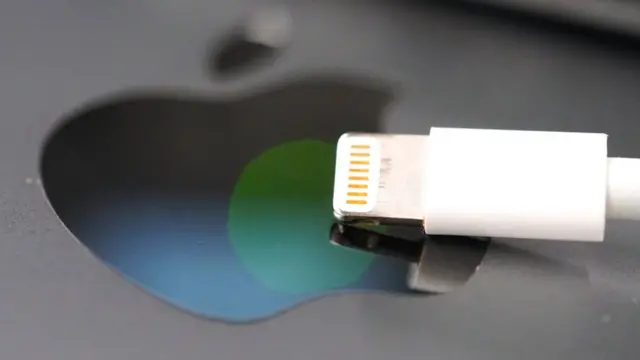
Di tech giant na di main manufacturer of smartphones using one custom charging port, as dia iPhone series dey use one Apple-made "Lightning" connector.
"We remain concern about strict regulation wey want just one type of connector stifles innovation instead of encouraging am, wey at di end go harm consumers for Europe and around di world," di firm tell BBC.
Dem add say di aims na to make every Apple device and usage carbon neutral by 2030.
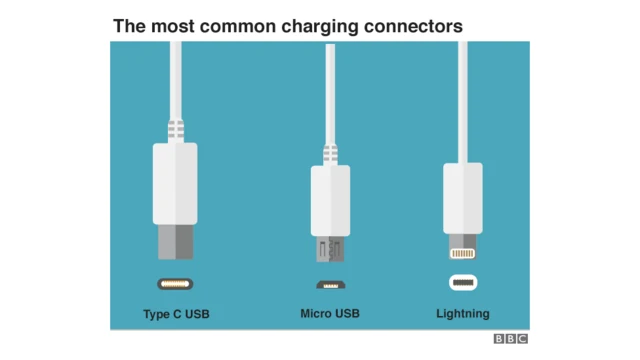
Most Android phones come with USB micro-B charging ports, or don already move to di more modern USB-C standard.



End of Di one wey oda users dey read well well
New models of di iPad and MacBook dey use USB-C charging ports, just like high-end phone models from popular Android manufacturers like Samsung and Huawei.
Di changes go apply to di charging port for di device body, whereas di end of di cable connecting to one plug fit be USB-C or USB-A.
Around half of chargers wey dem dey sell with mobile phones for di European Union for 2018 get USB micro-B connector, while 29% get USB C connector and 21% Lightning connector, Commission impact assessment study of 2019 find out.
Di propose rules go apply to:
- smartphones
- tablets
- cameras
- headphones
- portable speakers
- handheld video game consoles
Oda products including earbuds, smart-watches and fitness trackers no dey consider for technical reasons wey dey link to size and use conditions.
Di proposal also standardises fast charging speeds - meaning devices capable of fast charging go dey charged for di same speeds.
Preventing waste
EU politicians don bin dey campaign for one common standard for over 10 years.
Di Commission research estimate say disposed of and unused charging cables generate more than 11,000 tonnes of waste each year.
For di European Union, around 420 million mobile phones and oda portable electronic devices na im dem sell for di last year.
Di average pesin own around three mobile phone chargers, and dey use two regularly.
For 2009, more than 30 different chargers na im dey, whereas now most models stick to three - di USB-C, Lightning and USB micro-B.
"To get one common charging standard go be victory for common sense for di eyes of consumers," Ben Wood, one analyst for CCS Insight tok.
"Hopefully e go finally become non-issue if Apple keep adding USB-C to more devices."
E fit be some number of years before di proposals go come into effect.
Di European Parliament and national governments go debate di legislative proposal, wey known as one Directive.
MEPs and member states fit suggest amendments to di proposal. Na wen di EC agree for dis amendment, dem go enact am.
Di EC dey hope say dis go happen for 2022 - afta which member states go get two years to enact di rules into national law, and manufacturers go get 24 months to change dia charging ports.
"We give ndustry plenty of time to come up with dia own solutions, now time dey ripe for legislative action for one common charger.
"This na important win for our consumers and environment and in line with our green and digital ambitions," Commission Vice President Margrethe Vestager tok.