
The Scottish island celebrating New Year's Day... this week?!

- Published
Now we're in the middle of January, it's likely the Christmas tree is down, decorations are back in their boxes and you might be feeling a little bit tired from all the fun.
But for one remote island in Scotland, the winter festivities aren't over just yet.
Foula - a Shetland island - will be celebrating New Year's Day on the 13 January, two weeks after most of the world!
So why is this island, home to fewer than 40 people, celebrating so much later? Read on to find out.
Why some people celebrate Christmas today. Video, 00:00:55
- Published6 January 2020
How do people celebrate New Year around the world?
- Published31 December 2023
What are you looking forward to in 2026?
- Published2 January
Why do people on Foula celebrate New Year later?

Foula residents celebrate later because they use a different calendar for certain traditions.
The calendar we officially use in the UK is called the Gregorian calendar, but before that we used the Julian calendar.
It was changed more than 400 years ago because it didn't reflect the actual time it takes for the Earth to revolve around the sun - 365.25 days!
Which means the Julian calendar is 13 days behind, and so is New Year's Day!
Where is Foula?
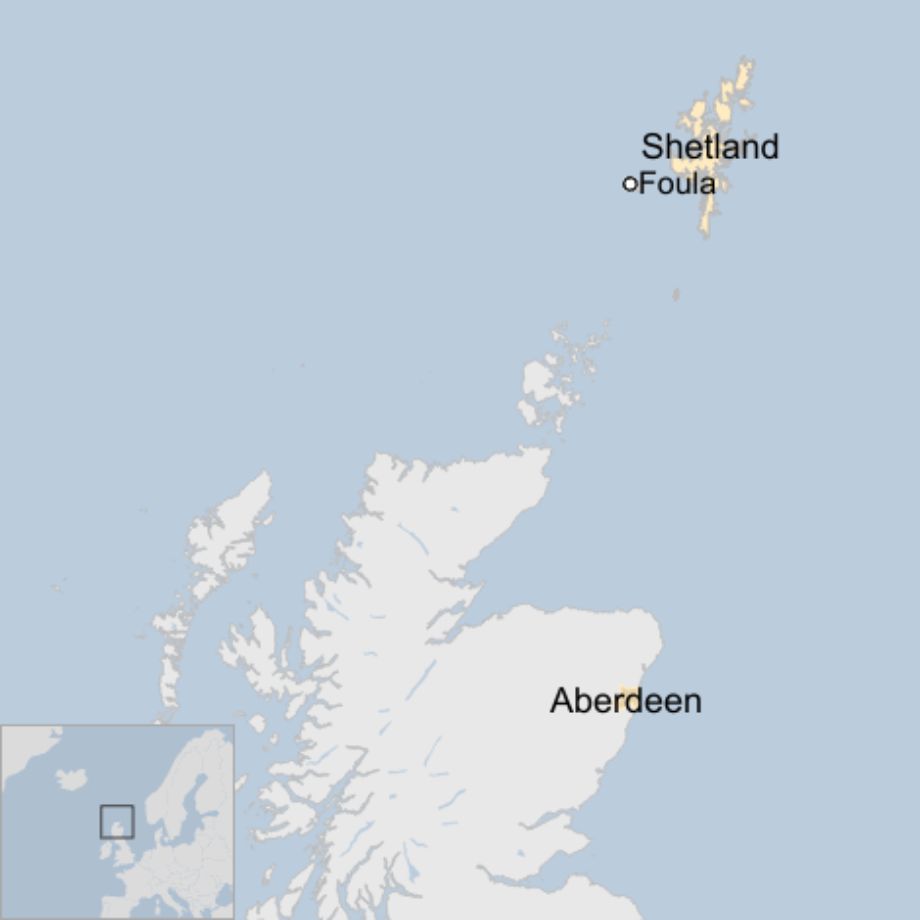
Foula claims to be Britain's most remote inhabited island.
It's 16 miles from the Shetland mainland, is less than 5 miles long and is powered by wind turbines, hydro energy and solar panels - with generators for back-up.
Robert Smith is one of the 36 islanders living on Foula.
He says you get the "best of both worlds" with the island's tradition, because he gets to celebrate two Christmas days and two New Year days every year!
