| Slavery - The Davenport Collection |
|
| | The log book from the King George vessel in 1772 |
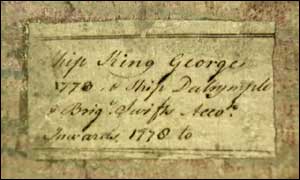
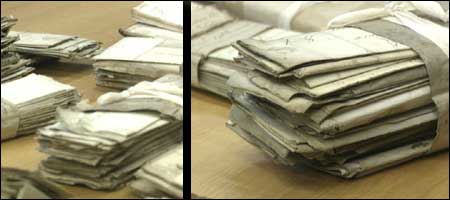
By the mid 18th Century, 95% of all slave voyages took place from one Britain’s three major ports, Liverpool, London and Bristol. William Davenport was a successful Liverpool merchant involved in the transportation of African slaves. Recently a collection of letters, invoices and receipts have been recovered, which highlight the activity of Davenport and his Captains in the capture and selling of African slaves. | | Over 12 bundles of letters and receipts were recovered |
 | Did you know that? | | The Liverpool Merchant, the first recorded Liverpool slaver ship sold her cargo of 220 West Africans in Barbados in 1700. |
The papers particularly highlight the inhumanity of the trade, with the slaves being treated as a cargo.
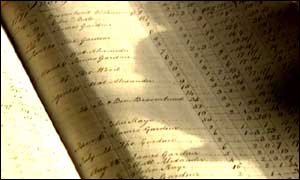
The slaves were listed not by their names, but as numbers of men women and children, with the only personal detail being their age.
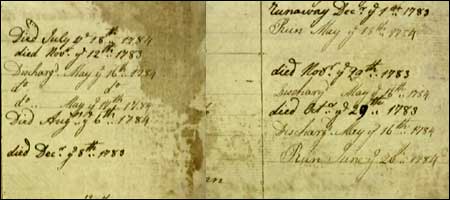
It also reveals the price a slave could be expected to fetch, £80 for two male slaves, a substantial amount of money in the 18th Century. | | Many slaves never even reached America with death and disease rife on the slave ships |
The documents stand as a dark reminder of Liverpool’s past and their return to the Maritime Museum ensures that it is not forgotten. | | The log books reveal intimate details of the process of slavery |
|
| |
|