The Reading Room

Intermediate level

Can we create the perfect city soundscape?

Episode 250918 / 18 Sep 2025

(Image: Getty)
___________________________________________________________________

More articles
_________________________________________________________

Hard: Upper intermediate level and above, B2 and above 

Introduction

Read the article and answer the questions below. To listen to this article, click here for an audio download.

Read 

Picture your dream living room. You're sitting on the sofa with the window open. What do you hear? Is it the sound of a flowing river? The murmuring of human chatter as friends enjoy a hot drink at the neighbouring cafe? A soundscape is your aural environment – everything you can hear around you, and researchers say the soundscape where you live can influence your wellbeing.

2  In times gone by, soundscapes would've consisted of the sounds of nature, such as birdcall and the sound of crashing waves. The reality of human life in the 21st Century means that air travel, construction and traffic noises are now in the mix, and agricultural noise means that not even rural life is safe. Noise pollution can lead to heightened stress levels, impaired cognitive function and higher risk of cardiovascular disease in humans, according to an article published by the UK Parliament called 'The effects of artificial light and noise on human health'. Not only that, it can affect the behaviour and life cycles of species which rely on sound.

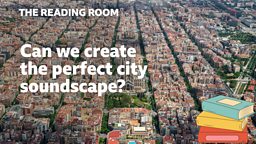
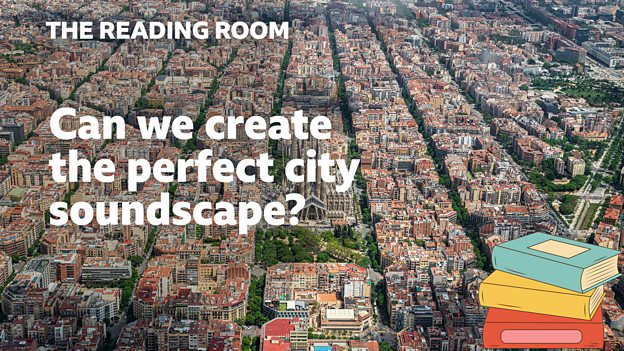
So, what can be done? Urban design is one trick. In Barcelona in Spain, urban planners designed 'superblocks', where traffic goes around big groups of buildings and the inner streets are pedestrianised, creating space for people and wildlife that is free from beeping horns and humming motors. In a 2025 article published in BMC Public Health, people in these areas reported an improvement in wellbeing, quality of sleep and reduction in noise.

Other techniques include tree buffers, where trees are planted in urban areas to absorb sound energy. In the Netherlands, they have created earth banks next to Schiphol airport to absorb noise from the runways and protect residents in the surrounding areas. England has a vast network of hedgerows – they'd stretch around the Earth almost ten times if lined up! And it turns out they make excellent sound barriers, particularly if the hedges are large, dense and evergreen.

When we think about improving our environment, it's likely your mind jumps to reducing litter and air pollution. But reducing noise pollution is also important, to create a soundscape that works for everyone – people and wildlife. 

Questions 

1. Match the headings to the paragraph.

Paragraph 1 ________
Paragraph 2 ________
Paragraph 3 ________
Paragraph 4 ________
Paragraph 5 ________

a. Why noise pollution reduction is important
b. Reducing noise pollution using urban design
c. The benefits of human-made noise in cities
d. Why noise pollution reduction is often not the first thing that comes to mind
e. Reducing noise pollution using landscape interventions
f. Imagine your perfect soundscape 

2. Choose the correct option based on the content of the article.

1. Before human-made noise, a typical soundscape would consist of natural sounds.

a. True
b. False
c. Not given

2. People living in the countryside don’t have to deal with noise pollution.

a. True
b. False
c. Not given

3. In paragraph 2, what does 'it' refer to in the following sentence? Not only that, it can affect the behaviour and life cycles of species which rely on sound.

a. noise pollution
b. stress levels
c. the UK Parliament 

4. How do Barcelona's 'superblocks' reduce noise pollution?

a. there is more space for wildlife
b. walkability is improved
c. there is less traffic on the inner streets

5. How do interventions like tree buffers, earth banks and hedgerows reduce noise pollution?

a. they create a barrier for the sound
b. they absorb rainfall
c. they are habitats for wildlife 

3.    Use the words from the list to complete the summary of the article.

If you find it hard to relax around angry drivers 1)________ their horns, you're not alone. Research has linked 2) ________ to higher stress levels and an increased risk of 3)________. But don't worry, experts are coming up with solutions. Making streets 4) ________ reduces traffic noises and encourages more wildlife. Landscape interventions such as 5) ________ can also make our environment less noisy. All this can make our aural environment much more peaceful.reframing

aural
noise pollution
tree buffers
pedestrianised
cardiovascular disease
beeping

Vocabulary

murmuring
a low and soft continuous sound

chatter
informal conversation

aural
relating to the sense of hearing

noise pollution
unwanted or unhealthy levels of sound in an environment  

cardiovascular disease
a group of diseases affecting the heart and blood vessels

pedestrianised
make an area or street accessible only to pedestrians

beep
produce a high-pitched, sharp sound e.g. by a car horn

hum
produce a low, continuous sound

tree buffer
a strip of vegetation planted to absorb sound energy

hedgerow
a line of bushes growing close together that often border fields

Answers

1.    Match the headings to the paragraph.

Paragraph 1 f) Imagine your perfect soundscape

Paragraph 2 a) Why noise pollution reduction is important

Paragraph 3 b) Reducing noise pollution using urban design

Paragraph 4 e) Reducing noise pollution using landscape interventions

Paragraph 5 d) Why noise pollution reduction is often not the first thing that comes to mind

2.    Choose the correct option based on the content of the article.

1. a. True. In times gone by, soundscapes would have consisted of the sounds of nature, such as birdcall and the sound of crashing waves.

2. b. False. agricultural noise means that not even rural life is safe.

3. a. Noise pollution. The previous sentence mentions how noise pollution can negatively affect humans. The following sentence gives additional information about the negative effects of noise pollution on animal species.

4. c. There is less traffic on the inner streets. While the other options are benefits, only 'less traffic on the inner streets' directly reduces noise pollution.

5. a. They create a barrier for the sound. …tree buffers… absorb sound energy. Earth banks… absorb noise. Hedgerows… make excellent sound barriers.

3.    Use the words from the list to complete the summary of the article.

If you find it hard to relax around angry drivers beeping their horns, you're not alone. Research has linked noise pollution to higher stress levels and an increased risk of cardiovascular disease. But don't worry, experts are coming up with solutions. Making streets pedestrianised reduces traffic noises and encourages more wildlife. Landscape interventions such as tree buffers can also make our environment less noisy. All this can make our aural environment much more peaceful.

Next

Listen to the article.

Learn more English to talk about where you live.

Learn more about the environment in English.

Latest The Reading Room