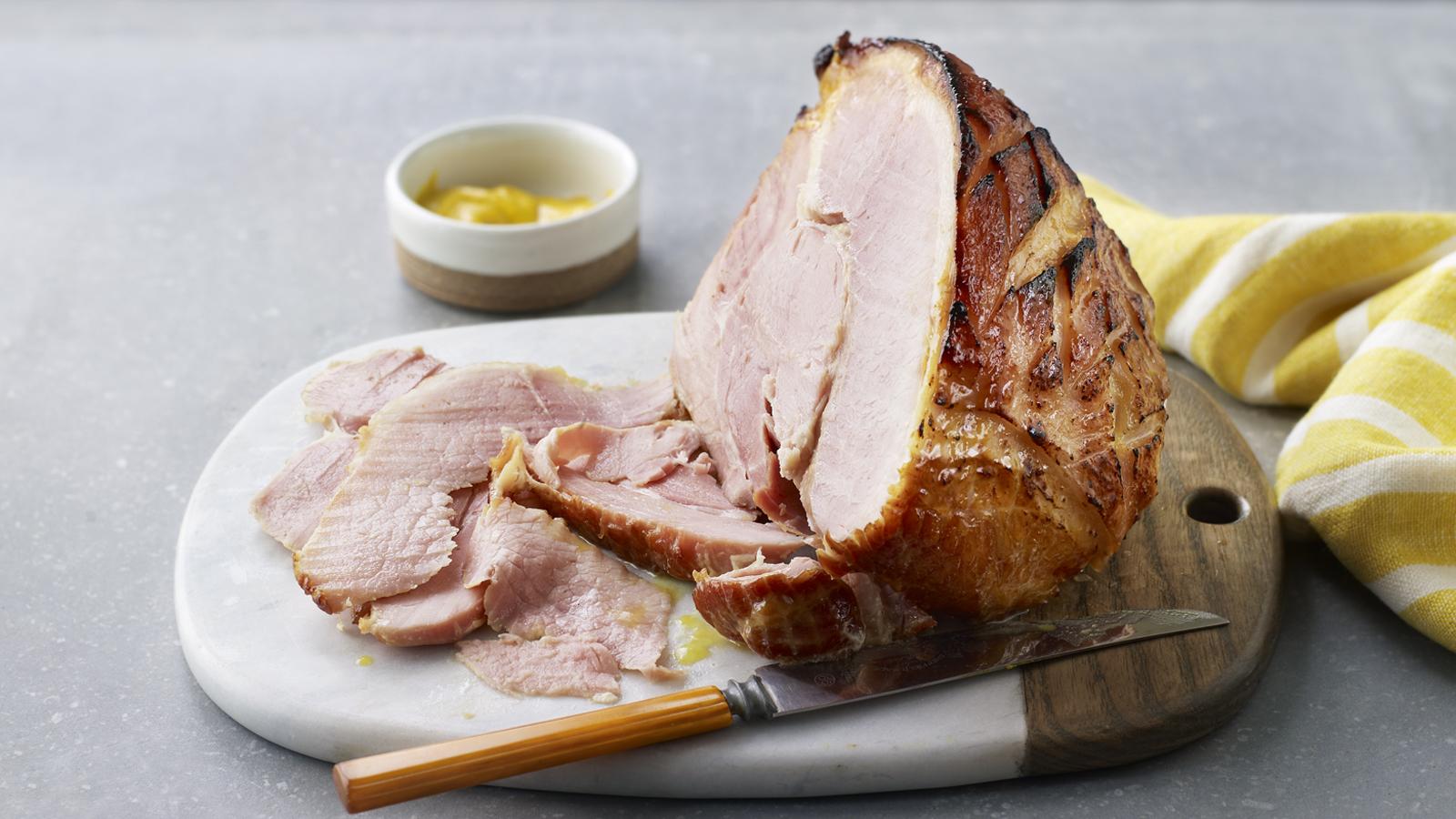
Slow cooker honey roast ham
- Prepare
- less than 30 mins
- Cook
- over 2 hours
- Serve
- Serves 10
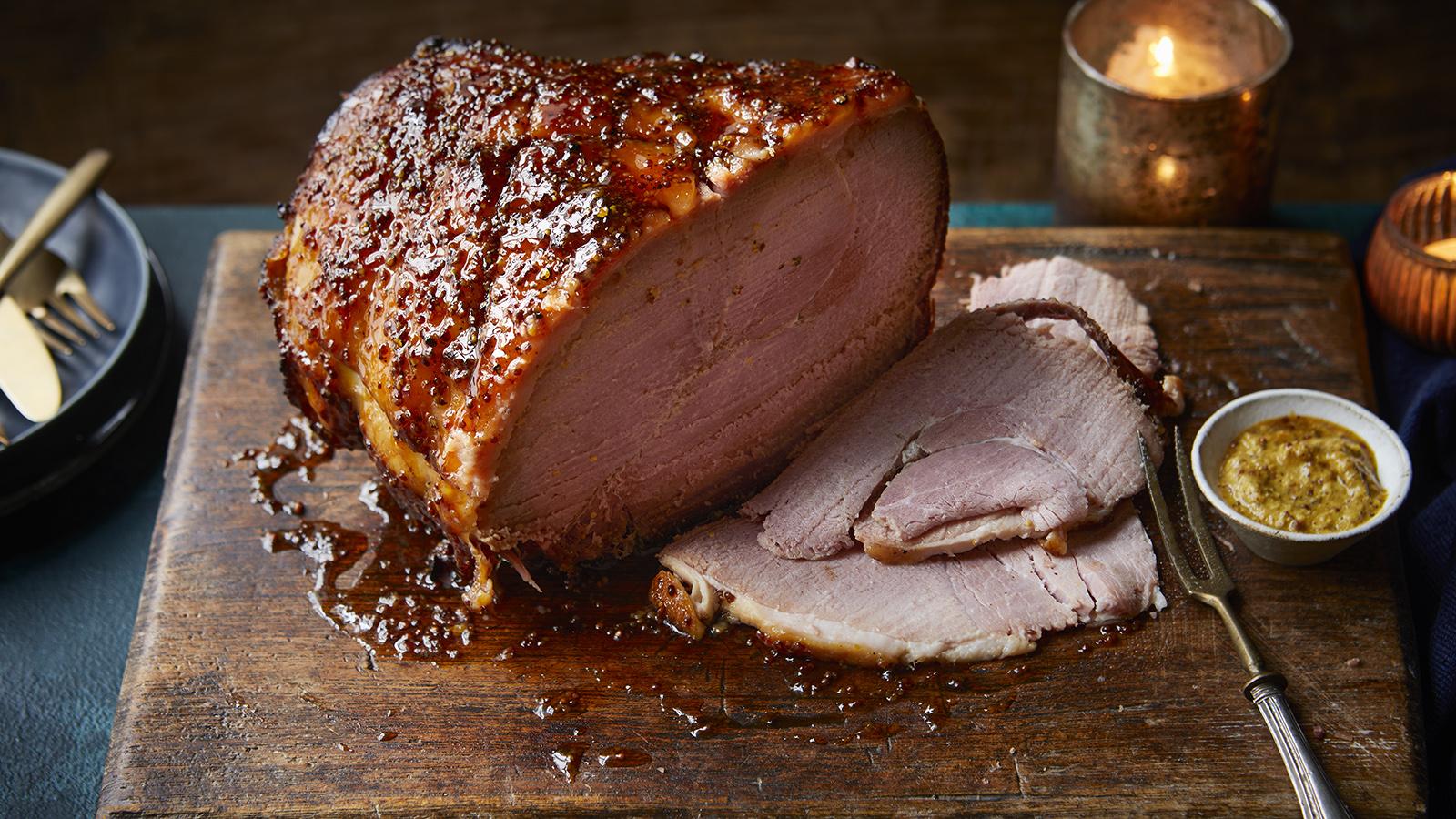
How to cook ham in the slow cooker with zero effort. Then get it in the oven, slathered in mustard, honey and sugar, to crisp up. Irresistible.
Each serving provides 348 kcal, 37g protein, 5g carbohydrates (of which 5g sugars), 20g fat (of which 6.5g saturates), 0g fibre and 4.7g salt.
Ingredients
- 1.6kg/3lb 8oz boneless, rolled smoked or unsmoked gammon
- 1 onion, peeled and quartered
- 1 tbsp English mustard
- 1 tbsp clear honey
- 2 tbsp demerara sugar
Method
Put the gammon, onion and 100ml/3½fl oz water in the slow cooker, cover with the lid and cook on low for 6–8 hours, or until thoroughly cooked. The longer the gammon is cooked, the more like pulled ham it will become.
Remove the lid, lift the pork out of the slow cooker and onto a board, and leave it to stand for 10 minutes, or until cool enough to handle.
Preheat the oven to 220C/200C Fan/Gas 7. Very carefully, snip off the string and slide a knife, in a horizontal sawing motion, between the ham rind and fat, then lift off the rind, leaving a thin layer of fat on the meat. (You may need to do this in strips.)
Lightly score the ham fat with a knife in a crisscross pattern. Line a small roasting tin with a piece of foil, large enough to come up the sides of the tin. Place the ham on top, fat-side up. If the ham is thinner one end than the other, prop the short end up with a wodge of crumpled kitchen foil, so the fat is more horizontal – this will help it brown more evenly.
Mix the mustard, honey and sugar in a small bowl and spread it all over the ham fat. Bring the foil in towards the ham to create a bowl to catch any sticky juices. Bake the ham for 12–15 minutes, or until the fat is nicely browned.
Serve in slices, warm or cold.
Recipe tips
The cooking time in this recipe will give you slicing ham. If you would like a pulled pork style texture that brakes into strands, cook for 10 hours.
Some people prefer to soak their ham in cold water for a few hours before cooking. It used to be necessary to remove excess salt or it would be incredibly salty when cooked. If your butcher uses traditional techniques to produce ham then soaking is still a good idea. If you are buying ham from supermarkets, you can skip this step nowadays, but lots of people still choose to do it because soaking does change the texture slightly (the ham will be more tender) and it still removes some salt.
The ham is fine to eat after step 2 of the recipe, especially if you are carving it for sandwiches. Just allow it to cool completely, remove the fat and slice as normal. Basting ham gives it a really attractive finish as well as adding good flavour, but it's not essential.
Related recipes


Try as part of this menu
Boxing Day buffet menu. Menu Boxing Day buffet menu
With a little advance prep, this impressive Boxing Day spread is mostly assembly jobs using up some of those core leftovers. Freeze the quiche pastry case and scones, and make the pavlova base and cheese biscuits ahead.

Christmas Stilton and sage canapés. By Mary Berry
Starters & nibbles

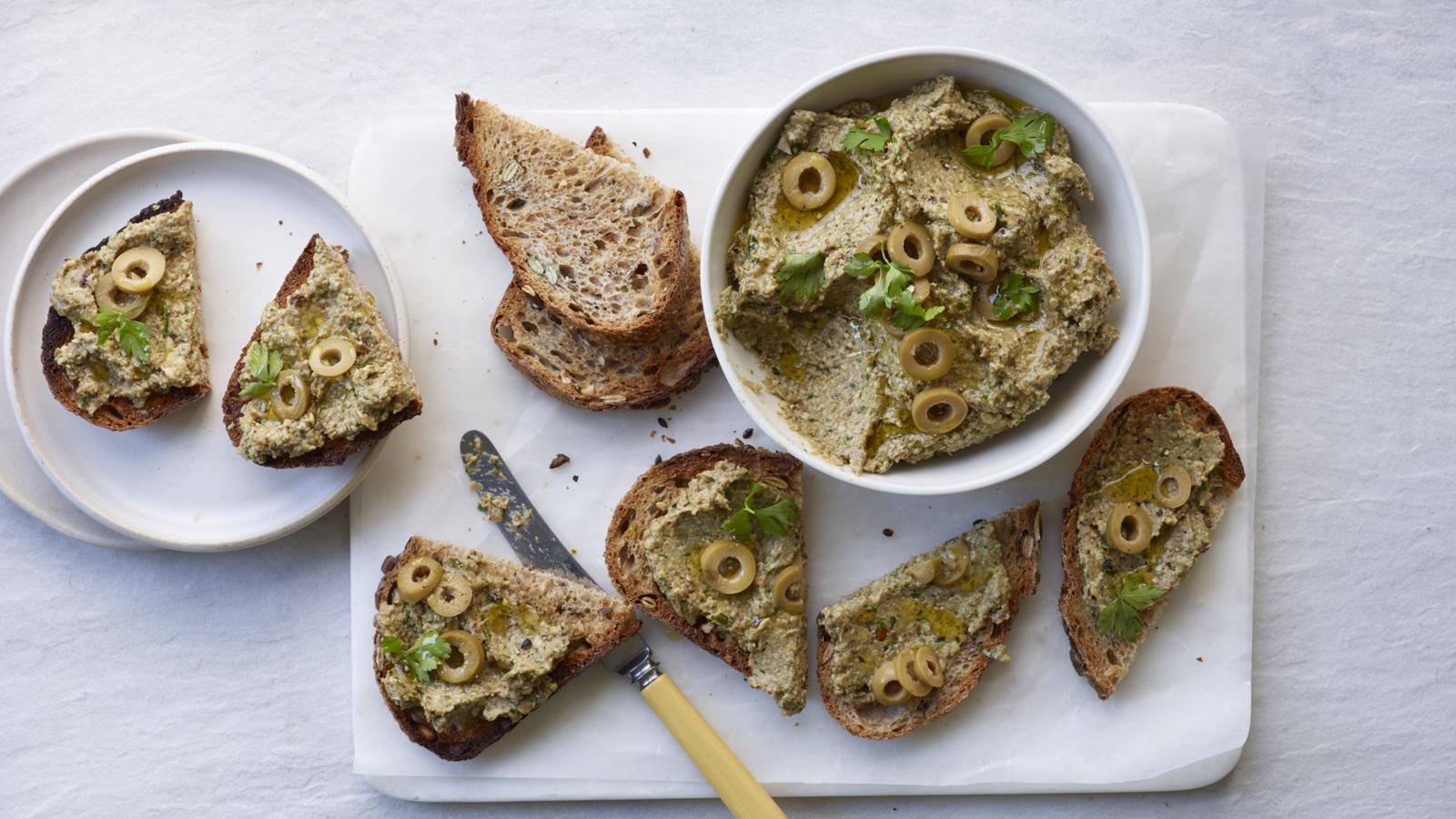
Mushroom pâté By Roxy Pope and Ben Pook
Starters & nibbles
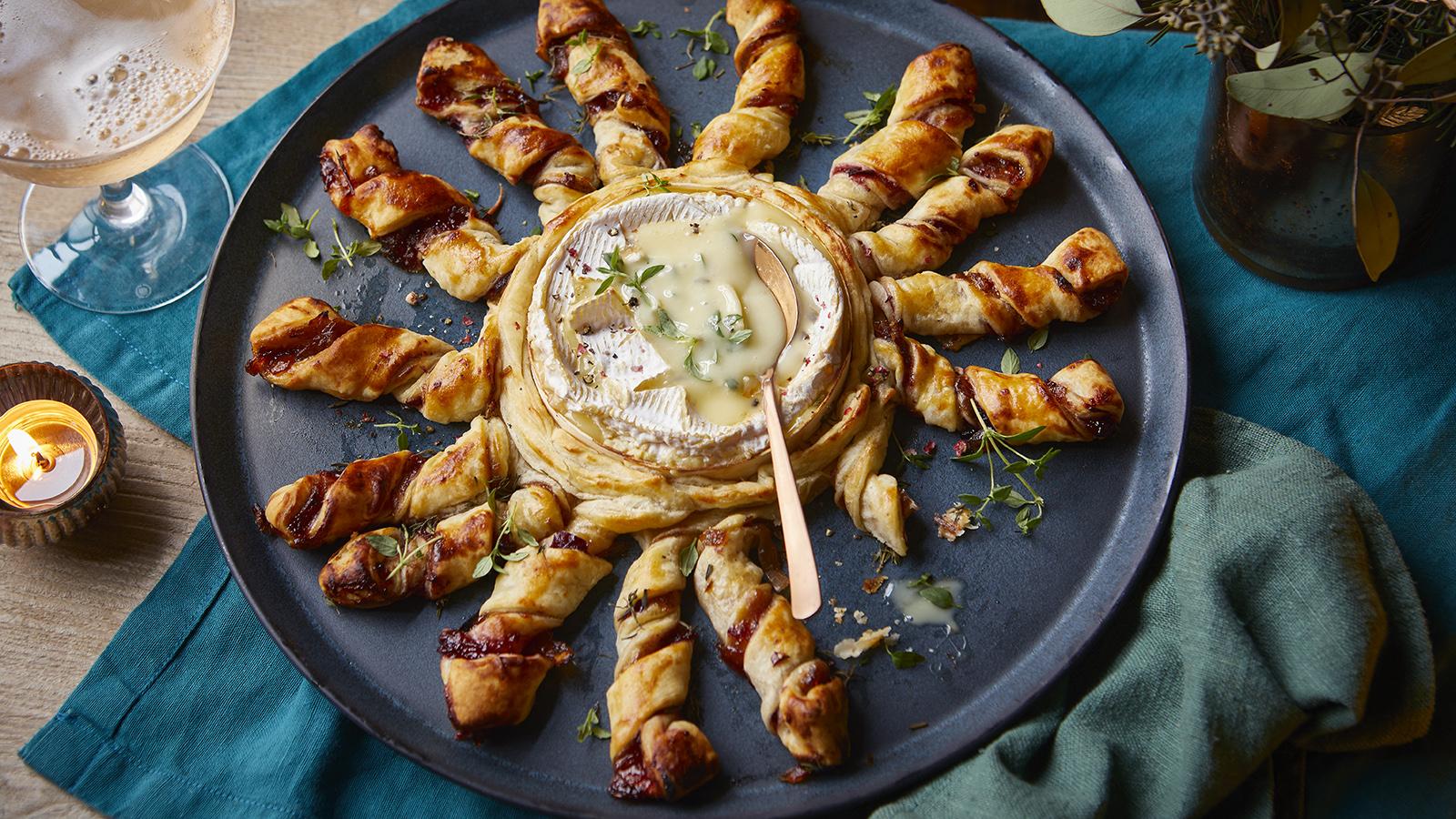
Tarte soleil. By Rosie Reynolds
Light meals & snacks
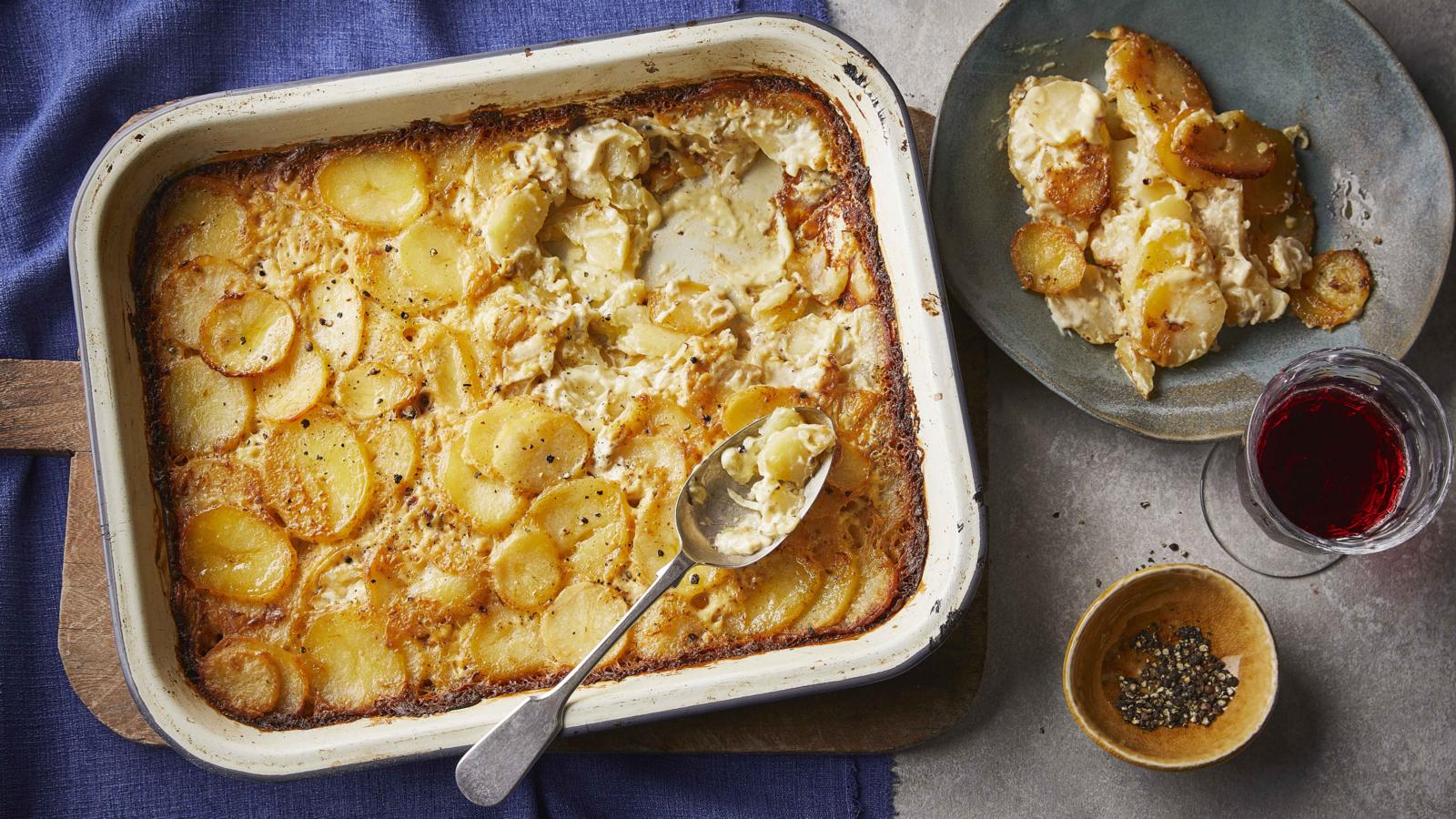
Easy potatoes dauphinoise. By Poppy O'Toole
Side dishes
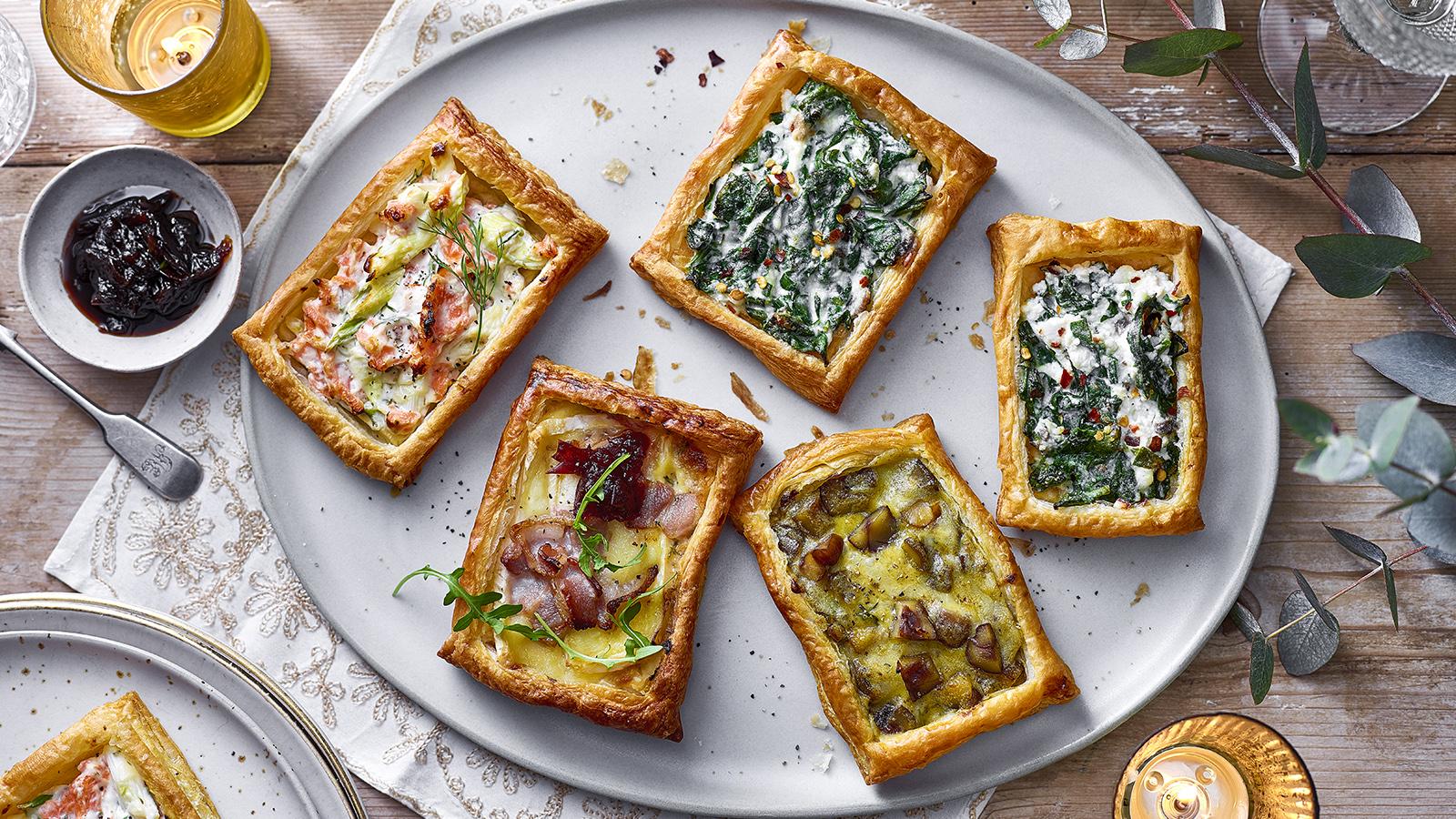
Puff pastry savoury tarts By Philippa Davis
Main course
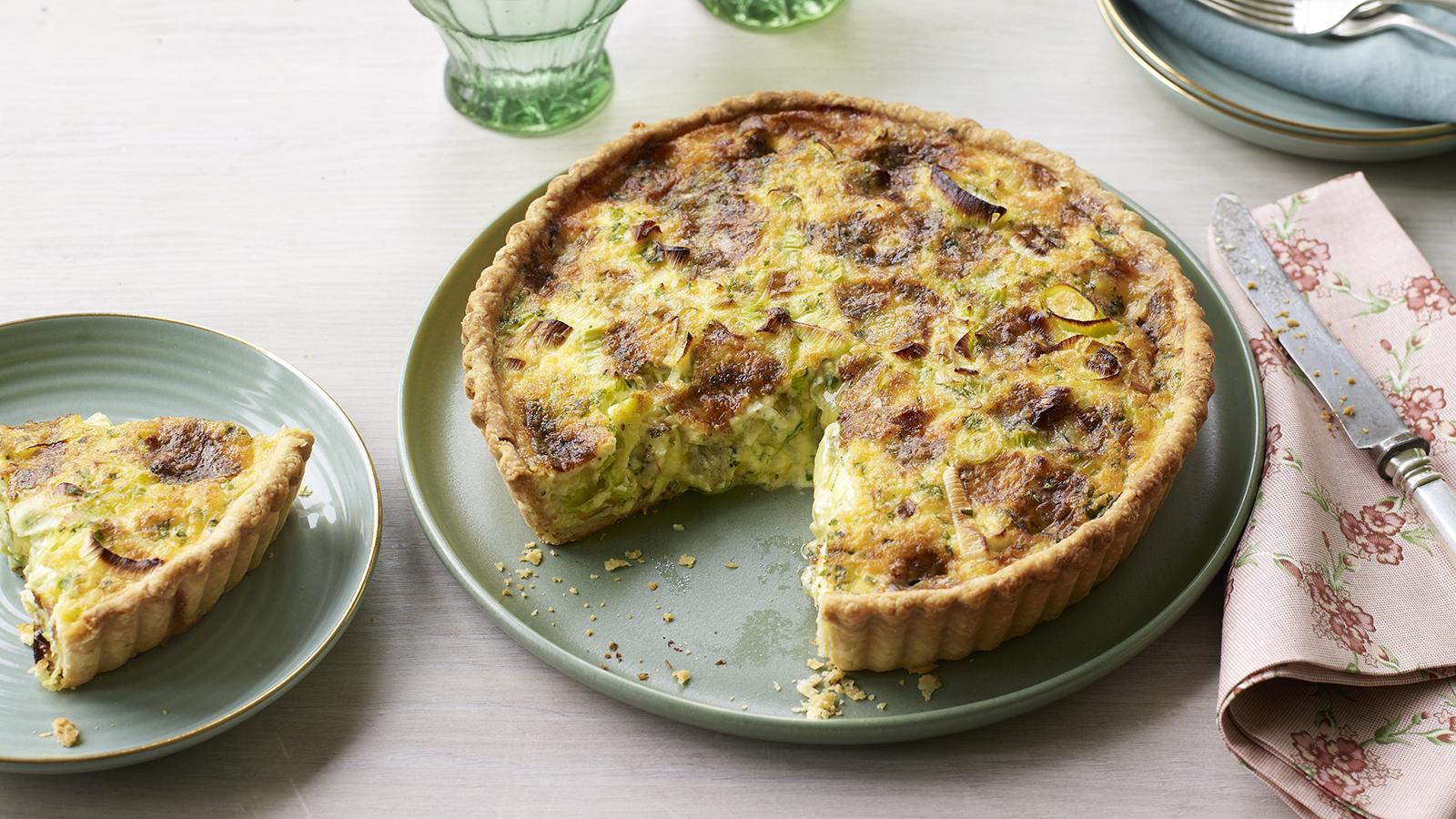
Leek and Stilton quiche. By Mary Berry
Main course
Cauliflower ‘popcorn’ By Annie Rigg
Starters & nibbles
Melt-in-the-mouth walnut and cheese biscuits. By Mary Berry
Starters & nibbles